



HEMATOLOGY
Latest News
Advertisement
Latest Videos
CME Content






































Advertisement
More News

Courtney D. DiNardo, MD, MSCE, discusses what is on the horizon for the acute myeloid leukemia setting.
The FDA has placed a partial clinical hold on the phase I trial of ACTR707 in combination with rituximab in patients with relapsed/refractory B-cell lymphoma from Unum Therapeutics, following the submission of a safety report from the company. The FDA notified Unum of the hold verbally on March 4. Unum Therapeutics acknowledged the partial clinical hold in filings with the Securities and Exchange commission.
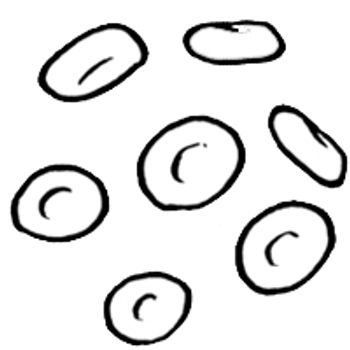
In an interview with Targeted Oncology, Eric Kmiec, PhD, discussed the evolution of CRISPR and how it fits into the treatment landscape for physicians in the community practice. He highlights the challenges that arise with the use of CRISPR and how to address these issues.
After demonstrating promising results that were comparable to targeted therapies in the first 2 cohorts of a phase I clinical trial, the combination of cladribine, cytarabine, granulocyte-colony stimulating factor, and mitoxantrone plus the antibody radiation conjugate lintuzumab-Ac225 in patients with relapsed/refractory acute myeloid leukemia is now being explored in a third cohort.
The FDA has accepted a Biologics License Application for MYL-1402O, a proposed biosimilar to bevacizumab, according to a press release from co-developers Biocon and Mylan. The BLA is seeking approval for the biosimilar as a treatment for multiple types of cancer and the FDA has set an action date goal of December 27, 2020, for a decision on the BLA.
In an interview with Targeted Oncology, David S. Hong, MD, discussed the emerging role of multitargeted therapeutics in patients with hematologic malignancies.

As the new coronavirus disease 2019 creates problems internationally, health-wise and economically, it is also becoming a cause for concern throughout the oncology community.
The FDA granted Orphan Drug Designation to umbralisib, an investigational oral PI3K delta inhibitor as treatment for patients with follicular lymphoma, according to a press release from TG Therapeutics. This designation follows a New Drug Application for treatment of marginal zone lymphoma and follicular lymphoma, which was submitted to the FDA in October 2019, based on results from the phase IIb UNITY-NHL study.

Alexey V. Danilov, MD, PhD, discusses important studies in the chronic lymphocytic leukemia space and questions whether combination or sequential therapy is better for patients with chronic lymphocytic leukemia.
In an interview with Targeted Oncology, Alexey V. Danilov, MD, PhD, discussed the ELEVATE-TN trial and other potentially practice-changing BTK inhibitor combinations expected to emerge in chronic lymphocytic leukemia.
In February 2020, the FDA gave indications to multiple therapies meant for treatment of solid tumor and hematologic malignancies. FDA action included 10 Priority Reviews, 2 Breakthrough Therapy designations, and 2 Fast Track designations.
The FDA has granted a fast track designation to tipifarnib for the treatment of adult patients with relapsed or refractory T-cell lymphomas, according to a press release from Kura Oncology, Inc. The fast track designation includes patients with relapsed/refractory angioimmunoblastic T-cell lymphoma, follicular T-cell lymphoma, and nodal peripheral T-cell lymphoma with a T follicular helper phenotype.
The combination of venetoclax plus low-dose cytarabine did not demonstrate a statistically significant improvement in overall survival compared with LDAC plus placebo in patients with acute myeloid leukemia who were ineligible for intensive chemotherapy at the time of a planned analysis, missing the primary end point of the phase III VIALE-C trial.
Treatment with pembrolizumab resulted in a statistically and clinically significant improvement in progression-free survival compared with brentuximab vedotin in adults patients with relapsed or refractory classical Hodgkin lymphoma , meeting a dual primary end point of the phase III KEYNOTE-204 trial, according to the interim analysis results announced in press release from Merck.
To enhance outcomes for patients with indolent non-Hodgkin lymphoma, an in-depth review of the available data is required. As a start, Sonali M. Smith, MD, University of Chicago Medicine, reviewed the clinical trial findings that are currently informing treatment selection in the frontline iNHL paradigm, at 24th Annual International Congress on Hematologic Malignancies.

Sameer Desai, MD, discusses the changing treatment landscape for lymphomas.
In an interview with Targeted Oncology, Stephen J. Schuster, MD, discussed the findings for mosunetuzumab in patients with relapsed/refractory non-Hodgkin lymphoma and the particularly promising findings for those patients who had received prior chimeric antigen receptor T-cell therapy.

To help clinicians cope with an increasing number of geriatric patients with cancer, the Association of Community Cancer Centers is addressing this problem with a 2-pronged approach that focuses on the delivery of care and diagnostic assessment.
Clinically meaningful outcomes in patients with chronic graft-versus-host disease were observed with administration of the selective ROCK2 inhibitor KD025, according to interim results of the phase II ROCKstar trial presented at the 2020 Transplant and Cellular Therapies Meetings in Orlando, Florida.



Chronic Lymphocytic Leukemia
Advertisement
Advertisement
Trending on Targeted Oncology - Immunotherapy, Biomarkers, and Cancer Pathways
1
FDA Grants Final Approval to Cabozantinib Capsule Formulation
2
Subcostal Robotic Surgery Cuts Thoracic Pain
3
David DiBardino, MD, on the Rationale for Intratumoral Therapy in Lung Cancer
4
Four Approvals Reflect Growth in Hormone-Sensitive Prostate Cancer Treatment
5