



HEMATOLOGY
Latest News
Advertisement
Latest Videos




CME Content






































Advertisement
More News

A biologics license application has been submitted for axicabtagene ciloleucel (KTE-C19) as a potential treatment for transplant ineligible patients with relapsed or refractory aggressive non-Hodgkin lymphoma.
Patients with lymphoma who are treated with brentuximab vedotin often experience peripheral neuropathy as an adverse event and potentially dose-limiting toxicity. A novel study has shown that, despite the prevalence of this toxicity, these patients report that the better outcomes yielded from treatment with brentuximab vedotin outweigh the risk of neuropathy.

The American Association for Cancer Research (AACR) will recognize several individuals for their contributions to cancer research during its annual meeting, to be held April 1 to 5 in Washington, DC.
The FDA has granted a priority review to a supplemental biologics license application (sBLA) supporting the conversion of the accelerated approval of blinatumomab (Blincyto) to a full approval as a treatment for patients with Philadelphia chromosome-negative (Ph-) relapsed/refractory B-precursor acute lymphoblastic leukemia (ALL).
Tisagenlecleucel-T (CTL019) has been granted a priority review designation by the FDA as a treatment for pediatric and young adult patients with relapsed and refractory B-cell acute lymphoblastic leukemia.
Subcutaneous rituximab has received the FDA’s Oncologic Drugs Advisory Committee (ODAC) unanimous (11-0) recommended approval for the treatment of patients with certain blood cancers.
Harry P. Erba, MD, PhD, recently shared treatment considerations he would make when treating patients with polycythemia vera (PV) based on 3 case scenarios.
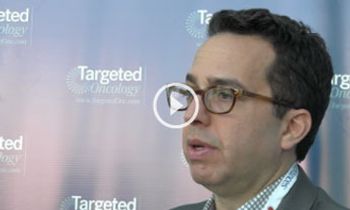
John Mascarenhas, MD, associate professor of Medicine, Mount Sinai School of Medicine, discusses the results from the interim analysis of the MPD-RC 112 study, which compared frontline pegylated interferon-alpha-2a (Pegasys) with hydroxyurea in the treatment of patients with high-risk polycythemia vera (PV) and essential thrombocythemia (ET).
A recent warning issued by the FDA advised that breast implants may increase an individual’s risk of developing anaplastic large cell lymphoma.
Alfred L. Garfall, MD, MS, assistant professor of Medicine, the Hospital of the University of Pennsylvania, discusses patterns of response and resistance among hematologic malignancies.
Andre Goy, MD, highlights what researchers can expect next in the field of MCL in both the frontline and relapsed/refractory settings given the recent pivotal data from clinical trials.
Stephan Grupp, MD, PhD, discusses results of the phase II ELIANA study and the next steps with CAR T-cell therapy in ALL.
Pembrolizumab has been recommended for approval by the EMA’s Committee for Medicinal Products for Human Use for the treatment of adult patients with relapsed or refractory classical Hodgkin lymphoma.
The combination of rituximab, bendamustine, and low-dose cytarabine demonstrated a high complete response rate as an induction regimen for elderly patients with mantle cell lymphoma.
Pembrolizumab has been granted an accelerated approval by the FDA for the treatment of adult and pediatric patients with classical Hodgkin lymphoma who are refractory or have relapsed after 3 or more lines of therapy.
Clinical trials of selinexor, which is being explored in several tumor types, have been placed on clinical hold by the FDA.
A review of various frontline treatment options in follicular lymphoma and an outline of an algorithm for approaching patients with newly diagnosed follicular lymphoma.
Adding ublituximab to ibrutinib significantly improved objective response rates (ORR) compared with ibrutinib alone for patients with previously treated high-risk chronic lymphocytic leukemia .
The researchers discuss the rationale for checkpoint-based therapies including antibodies to PD-1/PD-L1 and CTLA-4, an overview of clinical experience with these agents, and future considerations and combinations of these agents.
Clinical holds on several phase I trials of vadastuximab talirine in acute myeloid leukemia have been lifted by the FDA.

Jennifer Brown, MD, PhD, director of the Chronic Lymphocytic Leukemia Center at the Dana-Farber Cancer Institute, associate professor of Medicine at Harvard Medical School, discusses novel agents under investigation for the treatment of chronic lymphocytic leukemia (CLL).
A new drug application for enasidenib has been granted a priority review by the FDA as a treatment for patients with relapsed or refractory <em>IDH2</em>-mutated acute myeloid leukemia.
John Mascarenhas, MD, associate professor of Medicine, Mount Sinai School of Medicine, discusses studies investigating pacritinib for the treatment of myelofibrosis.
Worldwide clinical experience with the JAK1/2 inhibitor ruxolitinib in patients with myelofibrosis has yielded safety and efficacy data similar to results of a pivotal randomized trial.
Treating patients with intermediate/high-risk myelofibrosis with the Janus kinase inhibitor ruxolitinib long-term demonstrated improved survival, pooled data from 2 randomized trials showed.
Advertisement
Advertisement
Trending on Targeted Oncology - Immunotherapy, Biomarkers, and Cancer Pathways
1
Four Approvals Reflect Growth in Hormone-Sensitive Prostate Cancer Treatment
2
David DiBardino, MD, on the Rationale for Intratumoral Therapy in Lung Cancer
3
FDA Grants Final Approval to Cabozantinib Capsule Formulation
4
Subcostal Robotic Surgery Cuts Thoracic Pain
5