


Prostate Cancer
Latest News
Advertisement
Latest Videos














































Advertisement
More News

The triplet therapy should become the new standard of care for this patient population, according to recent data.
Treating patients with metastatic castration-resistant prostate cancer with 177Lu-PSMA-617 within 6 months of completing radium showed to be clinically feasible and well tolerated.
Patients treated with darolutamide were less likely to develop disease metastasis or discontinue treatment 6-18 months after treatment initiation compared with enzalutamide or apalutamide.

During a Targeted Oncology™ Case-Based Roundtable™ event, Abhishek Tripathi, MD, discussed with participants their approach to treating patients with metastatic castration-resistant prostate cancer.
During a Targeted Oncology case-based roundtable event, Nancy Dawson, MD, discussed the treatment of patients with metastatic hormone-sensitive prostate cancer and what important aspects of treatment clinicians should home in on.

The KEYNOTE-991 trial assessing the use of pembrolizumab in combination with enzalutamide and androgen-deprivation therapy has been halted as it failed to reach its primary end points.
In a presentation delivered at the 2022 Large Urology Group Practice Association Annual Meeting, Evan Y. Yu, MD, discussed different sequencing strategies that can be utilized for patients with mCRPC and the data that support each approach.
The phase 1 study of ADXS-504 for the treatment of early prostate cancer is ongoing and new patients with be enrolled to test a higher dose level.

Chad Tang discusses where he sees the future of treatment for patients with oligometastatic prostate cancer heading and how the phase 2 EXTEND trial will impact this patient population.
Positive topline results were announced from a study comparing TAVT-45, a formulation of abiraterone acetate that is easier to swallow, to the current formulation.
During a Targeted Oncology case-based roundtable event, J. Paul Monk, MD, discussed dosing and sequencing considerations for the use of cabazitaxel for patients with metastatic castration-resistant prostate cancer.
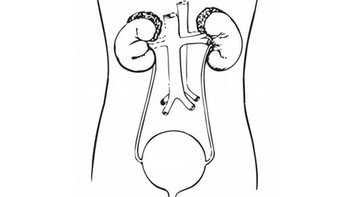
Radionuclides, such as radium-223 dichloride and lutetium Lu 177 vipivotide tetraxetan, now have an added overall survival benefit in metastatic castrate-resistant prostate cancer.
In an interview with Targeted Oncology, Channing J. Paller, MD, discussed the current approaches to radiation therapy, androgen deprivation therapy, and molecular imaging for men with prostate cancer who have biochemical recurrence.

During a Targeted Oncology case-based roundtable event, Atish D. Choudhury, MD, PhD, discussed with participants their experiences with using cabazitaxel in patients with metastatic castration-resistant prostate cancer. This is the second of 2 articles based on this event.
In an interview with Targeted OncologyTM, Evan Y. Yu, MD, discusses data from the KEYLYNK-010 trial and the future of the combination in prostate cancer.
During a Targeted Oncology case-based roundtable event, Susan Slovin, MD, discussed the next line of therapy for a patient with progressed metastatic castration-resistant prostate cancer with new liver metastasis.
John E. Sylvester, MD, a radiation oncologist with GenesisCare, reviews the importance of treating prostate cancer at the earliest stage possible.
In an interview with Targeted Oncology, Chad Tang, MD, The University of Texas MD Anderson Cancer Center, discussed background and implication of findings from the EXTEND trial.
In patients with PSMA-positive metastatic castration-resistant prostate cancer, the PSMA-directed therapy with 177Lu-PSMA-617, led to significant improvement in radiographic progression-free survival.
Fred Saad, MD, FRSC, discusses the findings of a biomarker analysis of the PROpel trial in patients with metastatic castration-resistant prostate cancer.

During a Targeted Oncology case-based roundtable event, Atish D. Choudhury, MD, PhD, discussed with participants the use of cabazitaxel in a patient with metastatic castration-resistant prostate cancer who did not tolerate docetaxel.
During a Targeted Oncology case-based roundtable event, Yousef Zakharia, MD, discussed new data supporting later-line options for patients with metastatic castration-resistant prostate cancer.
Findings from the phase 2 TheraP trial showed 177Lu-PSMA-617 to result in a higher prostate-specific antigen response rate vs with cabazitaxel in patients with metastatic castration-resistant prostate cancer.
At a live event discussing the case of a man, aged 75 years, with metastatic castration-resistant prostate cancer, Rana McKay, MD, focused on the makeup and results of the pivotal phase 4 CARD and phase 3 VISION studies.
David Morris, MD, FACS, discusses how PSMA PET imaging may impact targeted therapies for prostate cancer in the future.
Advertisement
Advertisement
Trending on Targeted Oncology - Immunotherapy, Biomarkers, and Cancer Pathways
1
Plinabulin Receives FDA Fast Track Designation in Post-ICI NSCLC
2
FDA Oncology Recap: Approvals, Designations, and Decisions in September 2026
3
Denosumab Biosimilar Approved For Existing Oncology Indications
4
CEPHEUS and Frontline Treatment in Newly Diagnosed Multiple Myeloma
5