


Prostate Cancer
Latest News

Advertisement
Latest Videos

















































Advertisement
More News
Chad Tang, MD, The University of Texas MD Anderson Cancer Center, discusses the design of the randomized, phase 2, basket EXTEND trial.

An abbreviated new drug application was approved by the FDA for leuprolide acetate injection as treatment of patients with advanced prostate cancer.

Adam Weiner, MD, discusses next steps for molecular testing in prostate cancer.

Following positive results and FDA action on pidnarulex in BRAC 1/2-positive ovarian cancer, a phase 1 study is exploring the agent in metastatic castration-resistant prostate cancer, in combination with talazoparib.
The phase 3 CHART study reveals better survival with rezvilutamide plus androgen deprivation therapy vs bicalutamide and androgen deprivation therapy in metastatic, hormone-sensitive prostate cancer.

Early results from the phase 1 JEWEL-101 study show XB002 is well-tolerated in patients with advanced solid tumors.
Mark Markowski, MD, PhD, discusses the results of a phase 1b/2 study examining treatment with sabizabulin in patients with metastatic castration-resistant prostate cancer.

Florida Cancer Specialists & Research Institute locations in Palm Beach County are now offering Pluvicto, the first targeted radioligand therapy approved by the FDA to treat an advanced cancer called prostate-specific membrane antigen-positive metastatic castration-resistant prostate cancer.
Fred Saad, MD, FRSC, discusses the key biomarkers looked at in an analysis of the phase 3 PROpel trial analyzing olaparib plus abiraterone to treat patients with metastatic castration resistant prostate cancer.
Sheela Tejwani, MD, highlights some exciting recent trial data and shares clinical pearls for community oncologists treating mCSPC.
An expert oncologist describes her approaches to treating patients with castration-sensitive prostate cancer and low-volume metastatic disease.
An expert oncologist describes her approaches to treating patients with castration-sensitive prostate cancer and low-volume metastatic disease.
Dr Tejwani lists the frontline treatment options currently available for mCSPC and reviews the chosen treatment regimen in the presented patient case.
Sheela Tejwani, MD, presents the case of an 83-year-old man with mCSPC, and shares her first impressions as compared to her typical patients.
During a case-based roundtable event, Ashley Evan Ross, MD, PhD, reviewing therapeutic options for a patient with metastatic hormone-sensitive prostate cancer.

During a live virtual event, Edwin M. Posadas, MD, discussed the use of cabazitaxel in patients with metastatic castration-resistant prostate cancer with participants. This is the second of 2 articles based on this event.
Results from the phase 3 TRITON3 study show that rucaparib improves survival in multiple metastatic castration-resistant prostate cancer populations.
Targeted Therapies in Oncology asked some experts in prostate cancer diagnostics and therapeutics for their thoughts on the milestone improvements in treating patients with prostate cancer over the past decade.
During a live virtual event, Edwin M. Posadas, MD, discussed patient factors for choosing the type of therapy to use after progression on androgen receptor therapy and chemotherapy with participants.
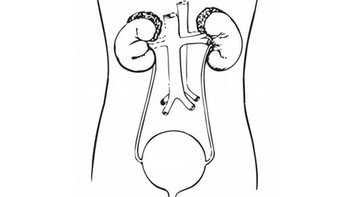
Positive findings were reported from the phase 2 ARNEO trial during the European Association of Urology Congress 2022.

In an interview with Targeted Oncology, Fred Saad, MD, FRSC, discussed key biomarkers for prostate cancer and findings from a biomarker analysis of the phase 3 PROpel clinical trial.

Adam Weiner, MD, discusses the results of his research on molecular subtyping in prostate cancer.

No statistically significant improvement in radiographic progression-free survival and overall survival was seen with pembrolizumab plus olaparib in metastatic castration-resistant prostate cancer.
The addition of 2 years of androgen-deprivation therapy to radiotherapy after radical prostatectomy improved metastasis-free survival and time to salvage therapy in patients with prostate cancer.

Androgen-deprivation therapy with the addition of apalutamide was effective when used in patients with high-risk biochemically relapsed prostate cancer.
Advertisement
Advertisement
Trending on Targeted Oncology - Immunotherapy, Biomarkers, and Cancer Pathways
1
Plinabulin Receives FDA Fast Track Designation in Post-ICI NSCLC
2
Denosumab Biosimilar Approved For Existing Oncology Indications
3
FDA Oncology Recap: Approvals, Designations, and Decisions in September 2026
4
Tile-Based Radiation Improves Local Control in Resected Brain Metastases
5