


Prostate Cancer
Latest News
Advertisement
Latest Videos

















































Advertisement
More News

Eugene B. Cone, MD, discusses the strategies for treating patients with prostate cancer who develop adverse events, such as cardiac events and immune-related events.




A 75-Year-Old Man With Metastatic Castrate-Resistant Prostate Cancer
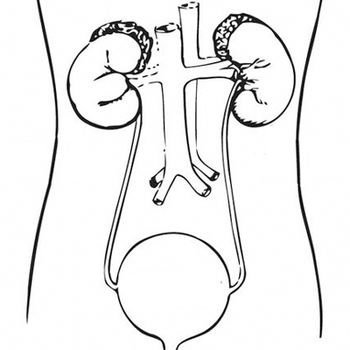
A significant percentage of younger men with high-risk prostate cancer who display minimal comorbidities continue to receive nondefinitive therapy (NDT), despite research that has demonstrated local therapy is more beneficial in this patient population, according to findings from a study published in <em>JAMA Oncology</em> show. A number of reasons for this have been identified, including insurance status and race/ethnicity.

In an interview with Targeted Oncology, Kashyap Patel, MD, discussed the COVID-19 pandemic and the implementation of new precautions in his practice as the number of COVID-19 infected persons rises in the state.<br />
The addition of 6 months of oral daily enzalutamide to standard salvage radiation and hormone therapy is safe and may improve prostate cancer remission rates at 2 and 3 years postoperatively among patients with high-risk disease, according to a recent paper in European Urology Oncology.
Elderly patients with advanced prostate cancer should be evaluated for preexisting cardiovascular diseases before taking oral androgen signaling inhibitors by a multidisciplinary team, includ­ing a cardiologist, according to a recent retro­spective study. Investigators at Thomas Jeffer­son University in Philadelphia, Pennsylvania, demonstrated that after receiving abiraterone acetate or enzalutamide, these patients had higher rates of short-term mortality than similar patients without CVDs.
Patients harboring IDH1/2 muta­tions may receive benefit by the use of PARP inhibitors, with investigators initi­ating clinical trials in patients across multiple different tumor types to determine the efficacy of this strategy.
Treatment with pembrolizumab demonstrated antitumor activity along with tolerable toxicity in patients with 4 different rare and hard-to-treat malignancies, according to results from a phase II study led by The University of Texas MD Anderson Cancer Center researchers and published in the Journal for ImmunoTherapy of Cancer.

Neeraj Agarwal, MD, discusses the efficacy of cabozantinib and atezolizumab in the COSMIC-021 study.
To help assess the advances the United States has made in decreasing cancer-related deaths, a collective of public health bodies found that monitoring trends in cancer risk, screening test use, and mortality is informative. A report published in <em>Cancer</em> shows that progress has been made in recent years, but there is more work to be <a>done.</a>
African American males with prostate cancer may fare better in terms of overall survival than Caucasian males, according to the results of a pooled analysis of phase III data. The data were obtained through the PROCEED registry, which includes over 1900 patients with metastatic castration-resistant prostate cancer treated with sipuleucel-T, created at the recommendation of the FDA.
Patients with metastatic hormone-sensitive prostate cancer with a luminal B tumor are associated with better outcomes with the addition of docetaxel chemotherapy to androgen deprivation therapy compared with androgen deprivation therapy alone. In a correlative study presented at the 2020 Genitourinary Cancers Sumposium, investigators also determined that the basal tumor subtype did not experience as much of a survival benefit with the addition of docetaxel to androgen deprivation therapy.

The FDA has accepted a Biologics License Application for MYL-1402O, a proposed biosimilar to bevacizumab, according to a press release from co-developers Biocon and Mylan. The BLA is seeking approval for the biosimilar as a treatment for multiple types of cancer and the FDA has set an action date goal of December 27, 2020, for a decision on the BLA.
As the new coronavirus disease 2019 creates problems internationally, health-wise and economically, it is also becoming a cause for concern throughout the oncology community.
The addition of apalutamide to androgen deprivation treatment improved time to pain progression and other quality-of-life out­come measures in patients with metastatic castration-sensitive prostate cancer in the phase III TITAN trial.
In February 2020, the FDA gave indications to multiple therapies meant for treatment of solid tumor and hematologic malignancies. FDA action included 10 Priority Reviews, 2 Breakthrough Therapy designations, and 2 Fast Track designations.
According to findings from a retrospective analysis published in JAMA Oncology, the testosterone-related genetic variant HSD3B1 (1245C) is associated with more aggressive disease in patients with metastatic prostate cancer. This is the first clinical trial to validate the relationship between the variant and clinical outcomes, and the results may help physicians determine which patients are more likely to benefit from more aggressive therapy.
Stephen J. Freedland, MD, discussed an analysis real-world patients with metastatic castration-resistant prostate cancer, which he presented at the 2020 Genitourinary Cancers Symposium.

To help clinicians cope with an increasing number of geriatric patients with cancer, the Association of Community Cancer Centers is addressing this problem with a 2-pronged approach that focuses on the delivery of care and diagnostic assessment.

In an interview with Targeted Oncology, Martin T. King, MD, PhD,discusses INTREPId following his poster presentation of the trial design at the 2020 Genitourinary Cancer Symposium. He also discusses other another promising studies being presented at the conference.
William K. Oh, MD, discusses phase III studies in the prostate cancer setting which led to the use of these new treatments, such as androgen receptor targeted therapies with chemotherapy in earlier disease settings.
Advertisement
Advertisement
Trending on Targeted Oncology - Immunotherapy, Biomarkers, and Cancer Pathways
1
Denosumab Biosimilar Approved For Existing Oncology Indications
2
Plinabulin Receives FDA Fast Track Designation in Post-ICI NSCLC
3
FDA Oncology Recap: Approvals, Designations, and Decisions in September 2026
4
Tile-Based Radiation Improves Local Control in Resected Brain Metastases
5