



SARCOMA
Latest News
Advertisement
Latest Videos






































Advertisement
More News








The FDA has granted an affinity enhanced T-cell therapy breakthrough therapy designation for patients with inoperable or metastatic pretreated synovial sarcoma who harbor HLA-A*201, HLA-A*205, or HLA-A*206 alleles and whose tumors express the NY-ESO-1 tumor antigen
Single-dose fosaprepitant dimeglumine (Emend for injection) in combination with antiemetic agents has been approved by the FDA for the preventing

The FDA has approved eribulin mesylate (Halaven) as a treatment for patients with advanced or unresectable liposarcoma following prior treatment with an anthracycline-based chemotherapy, based on an improvement in overall survival (OS) in a phase III study.

The results from MAESTRO, a phase III trial examining evofosfamide in advanced pancreas cancer patients, show the treatment offers little-to-no advantage to both patients with pancreatic cancer and soft tissue sarcoma (STS) were presented at an oral session at the ASCO Gastrointestinal Cancers Symposium.
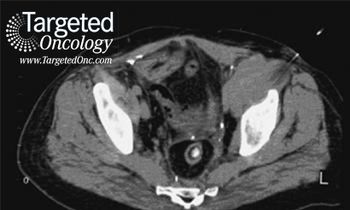
Shreyaskumar R. Patel, MD and Jonathan C. Trent, MD discussed the use of trabectedin and the future of the treatment paradigms in soft tissue sarcoma.

Physicians may be able to use KIT mutations to help predict the progression of gastrointestinal stromal tumors (GISTs), according to a new meta-analysis published in Nature Scientific Reports.
Soft Tissue Sarcoma with Jonathan C. Trent, MD, PhD and Shreyaskumar R. Patel, MD



Advertisement
Advertisement
Trending on Targeted Oncology - Immunotherapy, Biomarkers, and Cancer Pathways
1
Denosumab Biosimilar Approved For Existing Oncology Indications
2
Plinabulin Receives FDA Fast Track Designation in Post-ICI NSCLC
3
FDA Oncology Recap: Approvals, Designations, and Decisions in September 2026
4
Giredestrant Plus Everolimus Improves PFS in ER+ Advanced Breast Cancer
5