
The vaccine rindopepimut (CDX110) in combination with bevacizumab induced tumor regression in a subset of patients with recurrent glioblastoma.

The vaccine rindopepimut (CDX110) in combination with bevacizumab induced tumor regression in a subset of patients with recurrent glioblastoma.

The addition of lomustine to bevacizumab showed superior efficacy compared with either agent alone in patients with recurrent glioblastom, according to the phase II BELOB study presented by Martin van den Bent, MD.

The combination of radiation therapy and procarbazine, CCNU, and vincristine (PCV) prolonged both overall survival (OS) and progression-free survival (PFS) compared with radiation therapy (RT) alone in a phase III study of patients with grade 2 glioma.

Both HPV-positive and -negative head and neck cancers are “outstanding candidates for immunotherapeutic strategies,†said Andrew G. Sikora, MD, PhD, Baylor College of Medicine, at the 2014 Chemotherapy Foundation Symposium.

Translating current and emerging knowledge of the molecular drivers of ovarian cancer is yielding promising new insights into potential clinical targets, moving treatment away from historical paradigms in favor of more personalized therapeutic approaches.

PARP inhibitors represent an important class of emerging therapies for the treatment of patients with ovarian cancer and possibly other malignancies, but many scientific questions about the underlying molecular mechanisms that these agents target must be answered before they can be fully employed in clinical practice.
In May 2014, ASCO issued guidelines recommending the administration of adjuvant tamoxifen for 10 years in women with stage I-III hormone receptor (HR)-positive breast cancer, based on data from the collection of 5 clinical trials.

When Gail J. Roboz, MD, took the stage Wednesday to give her talk on what’s ahead in the treatment of acute myeloid leukemia (AML), she admitted feeling a little jealousy toward her colleagues in the lymphoid diseases.

The landscape in lymphoma management continues to evolve, with new therapies and approaches improving established treatment paradigms.

As the targeted therapy era in chronic lymphocytic leukemia (CLL) continues to unfold, two next-generation agents are generating responses with improved safety profiles as single agents and in combination regimens.

The combination of a FLT3L-primed in situ vaccine, low-dose radiotherapy, and a TLR 3 agonist has been shown to be feasible, safe, and immunologically and clinically effective in a phase I/II study for patients with low-grade lymphoma.

Joshua Brody, MD, assistant professor, Icahn School of Medicine, director, Lymphoma Immunotherapy Program, Mount Sinai Hospital, discusses vaccine strategies in follicular lymphoma.

Harriet Kluger, MD, associate professor of medicine, Yale Cancer Center, discusses the toxicity profile of concurrent nivolumab and ipilimumab as seen in a phase I trial.
Sandra M. Swain, MD, Medical Director of the Washington Cancer Institute at MedStar Washington Hospital Center, discusses results and key takeaways from the final overall survival (OS) analysis of the CLEOPATRA study.

Patients with unresectable melanoma had a significant improvement in the odds of survival when treated in first line with a combination of BRAF and MEK inhibitors, as opposed to anti-BRAF monotherapy.
Emmanuel S. Antonarakis, MBBCh, assistant professor, Johns Hopkins Medicine, discusses the results of a trial that examined AR-V7 and resistance to enzalutamide and abiraterone in patients with prostate cancer.
Elizabeth Plimack, MD, MS, director, Genitourinary Clinical Research, Fox Chase Cancer Center, discusses a phase Ib study of pembrolizumab for the treatment of patients with bladder cancer.

All patients with metastatic colorectal cancer should undergo RAS mutation testing to ensure optimal patient selection for EGFR inhibitor therapy.

Patients with advanced lung cancer had improved appetite, less weight loss, and a significant increase in lean body mass when treated with a ghrelin agonist, two randomized trials showed.

Afatinib delayed disease progression for approximately one month longer than chemotherapy and helped prevent painful symptoms from worsening for patients with relapsed or metastatic head and neck squamous cell carcinoma.

Almost 60% of patients with advanced non–small cell lung cancer had tumor shrinkage when treated with the PD-L1 inhibitor pembrolizumab.

Treatment with nivolumab (Opdivo) demonstrated superior objective response rates (ORR) and longer durations of response compared with chemotherapy in a phase III trial of patients with previously treated advanced metastatic melanoma

Dual HER2 blockade with pertuzumab and trastuzumab plus chemotherapy for the treatment of HER2-positive metastatic breast cancer improved median overall survival (OS) by almost 16 months over standard first-line therapy.

Timing of metastatic development, lymph node involvement, and type of disease all factor into the overall survival (OS) rate of patients with stage IV NSCLC, and could offer a potential risk stratification scheme for ablative therapy.
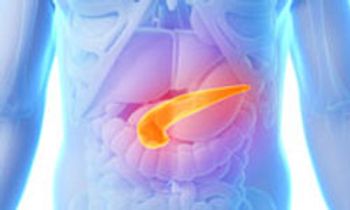
The combination of chemotherapy and stereotactic ablative radiotherapy (SABR) may allow patients with locally advanced pancreatic cancer to undergo surgery, a procedure that might not have otherwise been an option.

With the use of MRI imaging to restrict doses to erectile tissues, nearly half of men treated with EBRT for prostate cancer were able to be sexually active without aids or medications 5 years later, and nearly 80% could be sexually active if such support was an option.

When given along with radiation therapy to men with high-risk prostate cancer, 18 months of androgen-deprivation therapy (ADT)—as opposed to a 36-month course—not only generates similar long-term outcomes, but results in a better quality of life.

High pretreatment levels of serum VEGF-A and TGF-β1 indicated significantly worse disease-free survival (DFS) following neoadjuvant chemoradiotherapy in patients with esophageal squamous cell carcinoma.

Radiotherapy is equally as effective in the palliation of dysphagia (difficulty swallowing) as chemoradiotherapy for patients with advanced esophageal cancer.

Despite a recent decline in utilization, consolidated radiation therapy (RT) has been shown to improve 10-year survival rates for patients with stage I/II Hodgkin's lymphoma following treatment with chemotherapy.