
Women with HER2-positive breast cancer and high levels of stromal tumor-infiltrating lymphocytes (S-TILs) treated with chemotherapy alone had an 80% lower likelihood of disease recurrence compared to those with lower TIL counts.

Women with HER2-positive breast cancer and high levels of stromal tumor-infiltrating lymphocytes (S-TILs) treated with chemotherapy alone had an 80% lower likelihood of disease recurrence compared to those with lower TIL counts.

Treatment with the tyrosine kinase inhibitor (TKI) sorafenib in combination with standard chemotherapy increased event-free survival (EFS) by 11.3 months in patients with newly diagnosed AML.

In a phase II trial, some patients with heavily treated acute myelogenous leukemia (AML) benefited from treatment with the BCL-2 inhibitor venetoclax (ABT-199).

Ninety-six percent of patients with relapsed or refractory Hodgkin lymphoma who received treatment with the combination of brentuximab vedotin and bendamustine responded to treatment without experiencing dose-limiting toxicity.

Jae Park, MD, assistant attending physician, Memorial Sloan Kettering Cancer Center, discusses CAR T-cell therapy for the treatment of acute lymphoblastic leukemia.
Ann S. LaCasce, MD, discusses the combination of brentuximab vedotin and bendamustine for the treatment of patients with Hodgkin lymphoma.

The novel drug AG-221 generated durable remissions in patients with acute myeloid leukemia (AML) by targeting a mutation of the IDH2 gene in a small, first-in-man study that represents a new, chemotherapy-free approach for attacking the malignancy. Eytan M. Stein, MD, reported these findings during a press briefing at the 56th Annual Meeting of the American Society of Hematology (ASH).
Patients with HIV-associated lymphoma can effectively be treated with autologous hematopoietic stem cell transplantation (AHCT), with outcomes that are similar to patients without HIV. Joseph Alvarnas, MD, presented results from a phase II study at the 2014 ASH Annual Meeting.

Treatment with nilotinib (Tasigna) in combination with chemotherapy elicited complete hematological remissions (CHR) in 87% of elderly patients with newly diagnosed Philadelphia-positive acute lymphoblastic leukemia (Ph+ ALL).

Adrian Wiestner, MD, PhD, senior investigator, National Institutes of Health, discusses curing or managing patients with chronic lymphocytic leukemia (CLL).

Idelalisib monotherapy shows activity in treatment-naïve patients ≥65 years with chronic lymphocytic leukemia (CLL) or small lymphocytic lymphoma (SLL) — nearly 90% of patients enrolled in a phase II study demonstrated a partial response.

Joseph Alvarnas, MD, Director of Medical Quality, associate clinical professor, City of Hope, discusses the treatment of HIV-associated lymphoma.

Patients with relapsed and difficult-to-treat Hodgkin lymphoma who received brentuximab vedotin following treatment with high-dose chemotherapy and stem cell transplant had an unprecedented 50% higher likelihood of continuing to experience PFS at 2 years.

Anti-CD38 monoclonal antibodies continue to demonstrate promise and generate excitement that a new treatment paradigm could be on the horizon for patients with multiple myeloma.
The anti-CD19 chimeric antigen receptor (CAR)-modified T-cell therapy CTL019 demonstrated a 92% complete response (CR) rate in pediatric patients with relapsed/refractory acute lymphoblastic leukemia (ALL).
Most patients with classical Hodgkin lymphoma (cHL), having previously failed three or more therapies, responded to the immunotherapy nivolumab in a small phase I trial.
Treatment with the PD-1 inhibitor pembrolizumab (Keytruda) elicited responses in 66% of patients with classical Hodgkin lymphoma (cHL).
Philippe Armand, MD, PhD, senior physician, Dana-Farber Cancer Institute, discusses the utility of PD-1 inhibitors for hematologic malignancies.
Shaji Kumar, MD, professor of medicine, Mayo Clinic, discusses the results of the phase III ASPIRE trial.
Marcel R.M. van den Brink, MD, PhD, Head, Division of Hematologic Oncology, Memorial Sloan Kettering Cancer Center, discusses two abstracts being presented at ASH looking at CAR T cell therapies for the treatment of ALL and NHL.
Nicholas Butowski, MD, discusses a phase I study of convection-enhanced delivery of nanoliposomal irinotecan (MM-398) for the treatment of recurrent glioblastoma or recurrent high-grade glioma.
Jeffrey J. Raizer, MD, provides an overview of a study that analyzed the overall survival and toxicity profile of proton therapy for large-volume re-irradiation for patients with recurrent glioma.
Roeland GW Verhaak, PhD, assistant professor, Department of Bioinformatics and Computational Biology, Division of Quantitative Sciences, The University of Texas MD Anderson Cancer Center, discusses a study that examined the alteration of the p53 pathway and ancestral progenitors to determine if they were associated with tumor recurrence in glioblastoma.
A plenary session held November 15 at the Society of Neuro-Oncology’s (SNO) 2014 Annual Meeting in Miami Beach focused on immunotherapy’s promise as well as its challenges as a treatment for patients with brain cancer.

According to data from a phase I study, the oncolytic virus Delta-24-RGD can infect, replicate, and kill glioma cells in patients.
Steven A. Toms, MD, director, neurosurgery, Geisinger Health System, discusses the combination of the Novo Tumor Treating Fields (NovoTTF) system and temozolomide for patients with glioblastoma.
David Reardon, MD, clinical director, Center for Neuro-Oncology, Dana-Farber Cancer Institute, president, Society for Neuro-Oncology, describes the mechanism of action of rindopepimut for recurrent glioblastoma.

Adjuvant temozolomide and the use of the Novo Tumor Treating Fields (NovoTTF) system led to longer progression-free survival and overall survival in patients with glioblastoma.
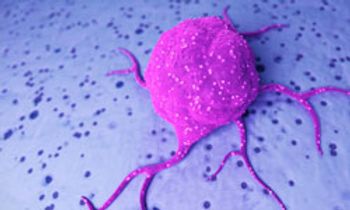
The vaccine rindopepimut appears to benefit patients with epidermal growth factor receptor variant III mutation (EGFRvIII) in glioblastoma with regard to progression-free survival (PFS) and overall survival (OS).

Ceritinib (Zykadia) showed clinically significant antitumor activity in patients with ALK-rearranged non-small cell lung cancer (NSCLC), including those with brain metastases.