
The PD-L1 inhibitor MPDL3280A demonstrated a 19% objective response rate (ORR) with 75% of responses ongoing in pretreated patients with metastatic triple-negative breast cancer (TNBC).

The PD-L1 inhibitor MPDL3280A demonstrated a 19% objective response rate (ORR) with 75% of responses ongoing in pretreated patients with metastatic triple-negative breast cancer (TNBC).

A prospective study of retrospectively analyzed blood samples of patients with nonresectable pancreatic cancer found that plasma KRAS mutational burden correlates with overall survival (OS).

Mark Erlander, PhD, Chief Scientific Officer, Trovagene, discusses a study looking at the association between ctDNA KRAS mutation levels and outcomes in patients with non-resectable pancreatic cancer.

Pembrolizumab (Keytruda) achieved an overall response rate (ORR) of 45.2% among a cohort of patients with high PD-L1-expressing non–small cell lung cancer (NSCLC) in the phase I KEYNOTE-001 trial.

Pembrolizumab (Keytruda) yielded significantly better outcomes compared with ipilimumab (Yervoy) in a randomized phase III trial of patients with advanced melanoma.

IMCgp100, an anti-CD3 antibody fragment fused to a gp100-specific T cell receptor, yielded long-lasting responses in patients with advanced melanoma.

In mid-December of 2014, the FDA approved the BRACAnalysis CDx diagnostic test to accompany the use of Lynparza (olaparib) in advanced ovarian cancer.
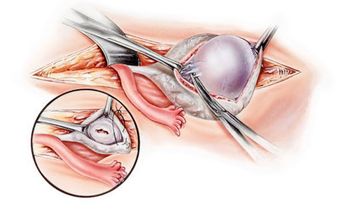
In a single-institution randomized prospective controlled trial of women with advanced epithelial ovarian cancer, 52.6% of patients in the PDS study arm had major complications with an MSKCC score of 3 or greater.

The angiogenesis inhibitor cediranib demonstrated acceptable activity and a tolerable safety profile as a monotherapy for patients with recurrent or persistent endometrial cancer.

Krishnansu S. Tewari, MD, FACOG, FACS, discusses a trial looking at the impact of CTCs on overall survival among patients treated with chemotherapy plus bevacizumab for advanced cervical cancer.

The addition fosbretabulin tromethamine to bevacizumab lowered the risk of progression by 31.5% but doubled the rate of hypertension compared with bevacizumab alone in pretreated patients with recurrent ovarian cancer enrolled in the phase II GOG186i study.

Circulating tumor cells have previously been reported to be prognostic in other solid tumors: can they become a prognostic biomarker in cervical cancer?

A triage algorithm may identify patients with presumed advanced ovarian cancer who represent preoperatively defined candidates for diagnostic laparoscopy.

Barbara Ann Goff, MD, discusses an analysis looking at the care of ovarian cancer.

Two newly reported studies are providing more insight into the efficacy and safety profile of the PARP inhibitor olaparib in ovarian cancer.
Bradley J. Monk, MD, FACOG, FACS, on bevacizumab in combination with the vascular disrupting agent fosbretabulin for the treatment of patients with recurrent ovarian, tubal, or peritoneal carcinoma.

The addition of bevacizumab to a doublet chemotherapy regimen extended OS by nearly 5 months compared with standard chemotherapy alone in women with platinum-sensitive recurrent ovarian cancers.

A 2:1 open-label phase II trial of the FANG vaccine achieved a marked delay in time to progression, in all 14 of 21 patients with stage III/IV ovarian cancer who participated. The other 7 patients did not receive the vaccine.
Robert L. Coleman, MD, FACOG, FACS, professor, The University of Texas MD Anderson Cancer Center, discusses the results and key takeaways from GOG0213.

Although treatments and cure rates have increased significantly over the past 60 years for patients with HL, it is crucial that practitioners stay up-to-date on research that can affect outcomes for their patients with this uncommon form of cancer.

Androgen deprivation therapy (ADT) with or without chemotherapy led to similar survival in men with advanced, metastatic hormone-sensitive prostate cancer, according to an updated analysis of a randomized trial.

Scott T. Tagawa, MD, MS, associate professor, Clinical Medicine and Urology, Weill Cornell Medical College, discusses PSMA-targeting agents for the treatment of prostate cancer.

The FDA’s recent approval of the first PARP inhibitor, coupled with current research, suggests that this new class of targeted therapy has great potential to help not only patients with ovarian cancer for whom the agent is indicated but also individuals with breast cancer.

The treatment options for patients with relapsed/refractory multiple myeloma are expanding rapidly, notably through clinical trial evidence supporting a number of three-drug combination regimens.

Heterogeneity, which can result in treatment resistance, is commonly underestimated and misunderstood, representing an important area of future research.

An immune checkpoint inhibitor combined with active immunotherapy has a potential positive effect on overall survival (OS) in the treatment of metastatic castration-resistant prostate cancer (mCRPC).

Jennifer H. Kuo, MD, director, Thyroid Biopsy Program, Columbia University, discusses a study looking at the incidence of thyroid cancer among breast cancer survivors.

While not appropriate for all patients with ER-positive breast cancer, neoadjuvant endocrine therapy could play an important role in select groups of women with comorbidities or those with ER-rich/luminal A disease.

Cytogenetic and molecular data are becoming increasingly important in the individualization of treatment of patients with acute myeloid leukemia (AML).

Tumor genome profiling identifies driver mutations in breast tumors, however, it is still too early to use this information in clinical decision making, according to Hope S. Rugo, MD.