
The combination of letrozole with either the CDK4/6 inhibitor LEE011 or the PI3 kinase Inhibitor BYL719 demonstrated clinical activity for women with ER-positive, HER2-negative breast cancer.

The combination of letrozole with either the CDK4/6 inhibitor LEE011 or the PI3 kinase Inhibitor BYL719 demonstrated clinical activity for women with ER-positive, HER2-negative breast cancer.

The poly (ADP-ribose) polymerase (PARP) inhibitor veliparib exhibits antitumor activity and is safe and tolerable on a continuous dosing schedule when used for the treatment of patients with BRCA-positive and BRCA-wild type tumors.

HER2 blockade may enhance the duration of response to fulvestrant, according to researchers from the University of Cincinnati College of Medicine.

A novel HER2-derived peptide (GP2) vaccine designed to stimulate CD8+ cytotoxic T-lymphocytes reduced the rate of breast cancer recurrence and proved safe and well tolerated in an adjuvant setting.

Hadeel Assad, MD, hematology/oncology fellow, Providence Hospital and Medical Center, discusses an analysis of the impact of breast cancer diagnosis on sexual dysfunction.

Clifford A. Hudis, MD, discusses obesity and menopausal status as determinants of procarcinogenic breast inflammation.
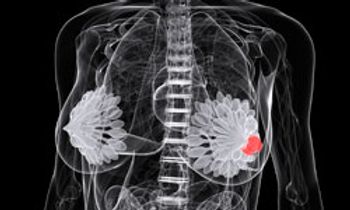
Long-term follow-up of a phase III clinical trial shows strong trends toward a greater likelihood of resuming menses and becoming pregnant when a luteinizing hormone-releasing hormone (LH-RH) analog is administered with chemotherapy in patients with breast cancer.
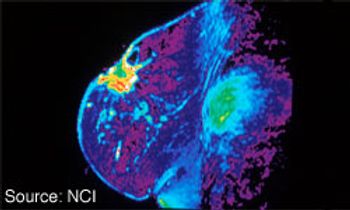
Breast conserving therapy (BCT) improves overall survival compared with other local treatments in patients with stage I breast cancer, according to an examination of the National Cancer Database (NCDB).

Katharine Yao, MD, gives an overview of an analysis that looked at patient preferences prior to surgery.

Sunil Verma, MD, MSEd, FRCPC, discusses evolving standards of early stage HER2-positive breast cancer.

Deanna J. Attai, MD, assistant clinical professor, Department of Surgery, UCLA, discusses breast cancer survivor support and education on Twitter.

Eleftherios Mamounas, MD, MPH, discusses locoregional recurrence and tailoring radiotherapy following neoadjuvant chemotherapy.

The combination of multiple independent factors minimized the impact of baseline stage for predicting locoregional recurrence (LRR) following neoadjuvant chemotherapy in patients with breast cancer.

Postsurgery complications are infrequent among breast cancer patients undergoing surgery with reconstruction; however, according to a large database study, the rates of certain complications, including reoperation, blood transfusion, and implant loss, are higher with bilateral mastectomy versus unilateral mastectomy.

The actress Angelina Jolie’s decision to undergo a preventive double mastectomy after learning she carried the BRCA1 gene mutation—associated with an increased risk of breast and/or ovarian cancer—apparently sparked an “Angelina effect†on public health.

One of the first studies to prospectively examine women’s breast surgery preferences has revealed that newly diagnosed women with breast cancer who decide to undergo contralateral prophylactic mastectomy (CPM), may be making this decision as result of high anxiety and fear of recurrence.

Women who received signed letters from their family physician along with scheduled postcard reminders are more likely to return for mammography screening than women who only received a postcard.

In the first large pediatric study of adding aprepitant to standard prophylaxis for CINV, researchers have found aprepitant to be significantly more effective than a comparator placebo-added regimen in preventing this complication in children.

Two active maintenance regimens following disease stabilization with standard induction therapy demonstrated superior disease-free outcomes compared with no treatment in patients with metastatic colorectal cancer (mCRC).

Treatment with enobosarm demonstrated an increase in lean body mass compared with a decline in LBM observed with placebo for patients with NSCLC.

A geographic analysis of trial results supporting the use of ramucirumab in gastric cancer showed that patients in the U.S. and other Western nations experienced similar survival gains as did their counterparts in two other regions of the world.

Treatment with regorafenib significantly improved overall survival (OS) and progression-free survival (PFS) in an Asian population of patients with previously treated metastatic colorectal cancer (mCRC).

Second-line treatment with MM-398 plus 5-FU and leucovorin extended OS, PFS, and ORR compared with 5-FU and leucovorin alone for patients with metastatic pancreatic cancer.

Palonosetron administered with a single-dose of dexamethasone adequately controlled nausea and vomiting associated with non-anthracycline-based (non-AC) moderately emetogenic chemotherapy (MEC).

Adding ruxolitinib (Jakafi) to capecitabine as a second-line treatment for patients with metastatic pancreatic cancer significantly improved survival for a subgroup with a high degree of local and systemic inflammation.

NEPA, a treatment intended to control CINV that combines netupitant and palonosetron, demonstrated superior activity in complete response rates (from 0 to 120 hours) over oral palonosetron monotherapy.

Adding cetuximab to concurrent chemoradiotherapy did not improve overall survival in patients with adenocarcinoma or squamous cell carcinoma of the esophagus.

An updated analysis of a phase III trial hints at a possible survival advantage for patients with radioactive iodine-refractory differentiated thyroid cancer treated with the tyrosine kinase inhibitor sorafenib.

Jedd D. Wolchok, MD, PhD, discusses an updated analysis presented at the 2014 ASCO Annual Meeting that looked at pembrolizumab (MK-3475) for patients with melanoma.

The anti-PD-1 humanized antibody pembrolizumab (MK-3475) has robust antitumor activity as a first-line treatment for patients with advanced PD-L1-positive non–small cell lung cancer (NSCLC).