

Durvalumab was also granted breakthrough therapy designation for the treatment of patients with limited-stage small cell lung cancer.

Durvalumab was also granted breakthrough therapy designation for the treatment of patients with limited-stage small cell lung cancer.

Zanubrutinib with venetoclax led to an overall response rate of 100% when used for treating patients with treatment-naive chronic lymphocytic leukemia or small lymphocytic lymphoma with 17p deletions and/or TP53 mutations.

Axatilimab is now an FDA-approved treatment option for patients with chronic graft-vs-host disease.

Regina Barragan-Carrillo, MD, discusses a pilot study evaluating the use of camu camu in combination with ipilimumab and nivolumab for treating metastatic renal cell carcinoma.

In the Acclaim-1 and Acclaim-3 trials, prolonged progression-free survival and partial remission were observed with quaratusugene ozeplasmid plus osimertinib and atezolizumab for advanced lung cancer treatment.

Cancer care disparities exist for underrepresented groups due to limited access to healthcare, clinical trials, and cultural barriers, but solutions like telemedicine and improved communication are emerging.

Matthew Hadfield, DO, discusses what community oncologists should know about immunotherapy toxicities.
A phase 1b study will investigate PTM-101, a directed administration of paclitaxel, in patients with nonmetastatic pancreatic cancer.

At the ASCO Annual Meeting, Asal Pilehvari, PhD, and colleagues presented a study evaluating the financial benefit of adding a CDK 4/6 inhibitor to hormone therapy for women with metastatic estrogen receptor-positive breast cancer in community settings.

Francis P. Worden, MD, discusses the background of a study evaluating lenvatinib for the treatment of patients with radioiodine-refractory differentiated thyroid cancer, including in those with BRAF-mutated, wild-type and BRAF untested tumors.

Timothy F. Cloughesy, MD, director of UCLA’s neuro-oncology program and distinguished professor in neurology, discusses the mechanism of action of vorasidenib.

Following a futility analysis, the phase 2 SELECT-AML-1 trial of tamibarotene combined with venetoclax and azacitidine in newly diagnosed RARA-overexpressed acute myeloid leukemia will discontinue enrollment.
A phase 2 trial will assess BRG01 for the treatment of patients with relapsed/metastatic EBV-positive nasopharyngeal carcinoma.
Acalabrutinib plus bendamustine and rituximab led to a 27% reduction in the risk of disease progression or death in the frontline setting for older patients with mantle cell lymphoma.

Ali Duffens, MD, discusses the relative effectiveness of different detection modalities in identifying breast cancer recurrences.

Selpercatinib led to high response and progression-free survival rates among patients who were treatment naive and pretreated with RET-altered thyroid cancers.
Within the past decade, there has been a surge in terms such as value-based care, patient-centered care, shared decision-making, and more at the macro level of health care delivery in the US.
The AUGMENT-101 trial demonstrated that revumenib achieved a 23% complete remission rate in patients with relapsed/refractory KMT2A-rearranged acute leukemia, with a well-tolerated safety profile and durable responses.

Neeraj Agarwal, MD, discusses some of the unmet needs that exist in the prostate cancer space.

The blood-based ctDNA test delivered high rates of sensitivity and specificity with long lead times in detecting minimal residual disease in patients with colorectal cancer.

FDA approves afami-cel for advanced synovial sarcoma and dostarlimab is now approved for all advanced endometrial cancers. In addition, buprenorphine offers improved pain management for bone marrow transplant patients, subcutaneous amivantamab reduces AEs, and SRS offers benefits over WBRT for SCLC.

A phase 2 study found that a combination of pacritinib, sirolimus, and tacrolimus successfully suppressed pSTAT3 and Th1/Th17 cells, but failed to prevent acute graft-versus-host disease following allogeneic transplant.

Isatuximab plus VRd induction before transplant led to better progression-free survival compared with VRd alone, according to data from the GMMG-HD7 phase 3 study.
The AFFINITY study has finished enrolling participants to evaluate the Aliya pulsed electric field system in patients with stage IV non–small cell lung cancer or lung metastases who are not candidates for surgery.
Mayuko Sakae, MD, discusses findings from research presented at the 2024 Multinational Association of Supportive Care in Cancer Annual Meeting on refractory pain in patients who have undergone a bone marrow transplant.
Cancer treatment is advancing through the use of tumor-targeted antibodies combined with toxic payloads like chemotherapy agents and radioisotopes.
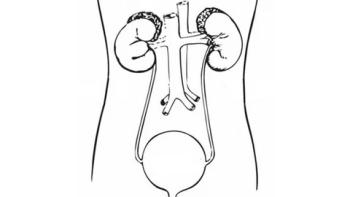
In an interview, Benjamin H. Lowentritt, MD, FACS, compared PSA response rates between apalutamide and enzalutamide in patients with metastatic castration-sensitive prostate cancer.
During a Case-Based Roundtable® event, Andrew Yee, MD, discussed myeloma treatment strategies for different age groups, focusing on personalized regimens and the pros and cons of CAR T-cell therapy and bispecific antibodies in the second article of a 2-part series.

Taiga Nishihori, MD, discusses the findings from a study evaluating ciltacabtagene autoleucel given in the outpatient setting to patients with relapsed/refractory multiple myeloma.

KeyVibe-008, a phase 3 study investigating the combination of vibostolimab and pembrolizumab in small cell lung cancer, did not show an improvement in overall survival.