

Adding tislelizumab to chemotherapy improved overall survival and progression-free survival in patients with extensive-stage small cell lung cancer, according to findings from a phase 3 study.

Adding tislelizumab to chemotherapy improved overall survival and progression-free survival in patients with extensive-stage small cell lung cancer, according to findings from a phase 3 study.

In the interview with Targeted Oncology, Sanjay K. Juneja, MD, 2024 Oncology Icons honoree, discusses the transformative power of collaboration, technology, and compassionate care in shaping his career, as well as the future of cancer treatment.
Patients with Bacillus Calmette-Guérin-unresponsive non-muscle-invasive bladder cancer carcinoma in situ now have a new treatment option following the FDA’s approval of nogapendekin alfa.
Adam D. Cohen, MD, discusses ongoing research influencing the multiple myeloma treatment landscape.
This breakthrough therapy designation of ziftomenib marks the first of its kinds in NPM1-mutant acute myeloid leukemia.

The major challenges for clinicians treating older patients with acute lymphoblastic leukemia surround the emergence of resistance to existing therapies and the toxicities associated with current chemotherapies.

Rhonda Henschel, MBA, discussed the challenges and considerations for community oncology practices looking to implement cellular therapy programs.

In this weekly recap ODAC endorses MRD for accelerated myeloma trial approval, research delves into ovarian cancer trends in Asian American populations, amivantamab’s variable efficacy in NSCLC, and more.
A 2-year follow-up study showed that ibrutinib maintained efficacy and safety among patients with chronic lymphocytic leukemia, highlighting its importance in the field.

Tina Cascone, MD, PhD, discusses the CheckMate-77T trial of perioperative regimen of neoadjuvant nivolumab plus chemotherapy followed by surgery and adjuvant nivolumab for the treatment of patients with stage IIA to IIIB non-small cell lung cancer.

Paul Richardson, MD, concludes his conversation by briefly discussing additional trials influencing the multiple myeloma treatment landscape, as well as the use of iberdomide.
Paul Richardson, MD, continues his conversation by highlighting various ongoing studies in the multiple myeloma space.

Druggable gene aberrations and predictive biomarkers has allowed for the use of next-generation sequencing technologies to grow.
Paul Richardson, MD, highlights some of the important studies being done in multiple myeloma.
Paul Richardson, MD, delves into some of the studies significantly impacting the multiple myeloma treatment landscape and outcomes for patients.

The phase 3 CONVERT study suggests that twice-daily radiotherapy remains the standard for limited-stage small cell lung cancer due to its effectiveness and lower associated toxicity compared to the once-daily approach.

Following an investigation that began in November 2023, the FDA now requires boxed warnings regarding T-cell malignancies on all BCMA- and CD19-directed T-cell products.
The FDA approved adjuvant alectinib following tumor resection for the treatment of patients with ALK-positive non-small cell lung cancer.

A novel scoring system including radiomics data may help clinicians identify the risk of central lymph node metastasis in patients with a subtype of thyroid cancer.

A survey shows doctors are looking to upgrade their EHR systems to better support value-based care by collecting patient outcome data and integrating with AI.

Adjuvant pembrolizumab had an estimated 91.2% overall survival rate after 4 years compared with 86.0% for patients with clear-cell renal cell carcinoma who received a placebo.
The FDA has approved Lumisight and the Lumicell Direct Visualization System for fluorescence imaging in adult patients with breast cancer.
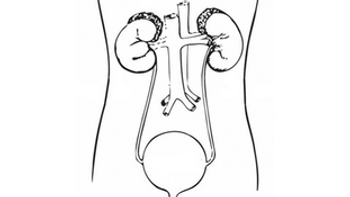
For patients who underwent radical cystectomy for bladder cancer, those with lower net worth incurred higher costs posttreatment.

A new drug called belantamab mafodotin significantly improved survival in relapsed multiple myeloma patients compared to a standard treatment.
Three additional clinical trials will study nadofaragene firadenovec-vncg for the treatment of patients with non-muscle invasive bladder cancer.

A new study found that Black patients with prostate cancer were less likely to get new treatments and had a higher risk of death than White patients.

Combination therapy with nanatinostat and valganciclovir led to promising response rates among patients with Epstein-Barr Virus-positive peripheral T-cell lymphoma.
The phase 3 STARGLO trial met its primary end point, improving overall survival in patients with relapsed/refractory diffuse large B-cell lymphoma with glofitamab and chemotherapy vs rituximab and chemotherapy.

Results from a 3-year follow-up of the TOPAZ-1 trial showed that treatment with durvalumab plus chemotherapy in advanced biliary tract cancer continued to improve overall survival vs chemotherapy alone.
Lucia Masarova, MD, PhD, discusses some of the latest updates across myeloproliferative neoplasms.