

Combination therapy with nivolumab and gemcitabine-cisplatin showed promising results in treating metastatic urothelial carcinoma with significantly improved overall survival and progression-free survival rates.

Combination therapy with nivolumab and gemcitabine-cisplatin showed promising results in treating metastatic urothelial carcinoma with significantly improved overall survival and progression-free survival rates.
Combination nivolumab and nab-paclitaxel may be a safe and effective treatment for patients with muscle-invasive bladder cancer.
Roger Li, MD, discusses what the future may hold for the use of TAR-210 for the treatment of patients with intermediate-risk non-muscle-invasive bladder cancer with susceptible FGFR alterations.
A study found that UGN-102, used alone or combined with TURBT, resulted in comparable duration of response and disease-free survival rates in both patients newly diagnosed with and those with recurrent low-grade/intermediate non-muscle invasive bladder cancer.

T-DXd enhances survival in HR+/HER2-low breast cancer, and immunotherapy combo is recommended for advanced SCLC. We also highlight recent FDA approvals and challenges associated with legislative changes.
The addition of PSMA-PET imaging to multi-parametric MRI was associated with an improvement in the detection of clinically significant prostate cancer.
Treatment with enzalutamide alone and with leuprolide delivered higher rates of undetectable PSA levels compared with leuprolide alone in patients with castration-sensitive prostate cancer.
Improved outcomes with lutetium Lu 177 vipivotide tetraxetan vs ARPI change supported prior treatment with abiraterone vs enzalutamide in mCRPC.

Stephen Williams, MD, discusses the phase 3 SunRISe-2 study investigating TAR-200 plus cetrelimab in muscle-invasive bladder cancer being presented at the 2024 American Urological Association Annual Meeting.
EG-70, a novel, nonviral gene therapy, elicited a 73% complete response at any time for patients with non-muscle invasive bladder cancer (NMIBC) with carcinoma in situ.
Treatment with TAR-200 displayed a high complete response rate in Bacillus Calmette-Guérin-unresponsive high-risk non-muscle-invasive bladder cancer.
Patients who underwent extended lymph node dissection during radical cystectomy compared with those who underwent standard lymph node dissection exhibited no benefit in disease-free survival or overall survival.

Arlene O. Siefker-Radtke, MD, discusses the latest breakthroughs in bladder cancer treatment with erdafitinib, an FGFR1-4 inhibitor.
Data support using 18F-PSMA-1007 PET/CT in the preoperative workflow of intermediate- and high-risk prostate cancer.
Administering high-intensity focused ultrasound could be a noninferior treatment option for patients with localized prostate cancer, according to a prospective trial.
Apalutamide with androgen deprivation therapy following radical prostatectomy led to a biochemical recurrence-free survival rate of 100% after 2 years among patients with high-risk prostate cancer.

Mark D. Tyson, II, MD, MPH, discusses the safety and efficacy findings from the BOND-003 trial of cretostimogene grenadenorepvec in high-risk Bacillus Calmette-Guérin-unresponsive non-muscle-invasive bladder cancer with carcinoma in situ.
In the phase 3 BOND-003 trial, cretostimogene grenadenorepvec led to durable complete responses over 12 months among patients with high-risk BCG-unresponsive non-muscle-invasive bladder cancer with carcinoma in situ.
Mark D. Tyson, II, MD, MPH, discusses the background of the phase 3 BOND-003 study evaluating cretostimogene grenadenorepvec in patients with high-risk Bacillus Calmette-Guérin-unresponsive non-muscle-invasive bladder cancer with carcinoma in situ.

Findings from a real-world study identified that venetoclax was a safe treatment option and did not lead to higher rates of death for patients with chronic lymphocytic leukemia who were diagnosed with COVID-19.

Tina Cascone, MD, PhD, discusses who was included in the phase 3 CheckMate-77T trial and the key end points of the study.
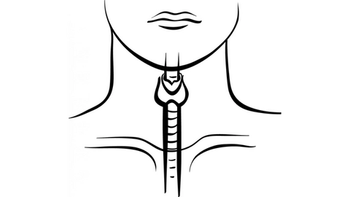
In an interview with Targeted Oncology, Lori J. Wirth, MD, delved into how the data from SELECT signals lenvatinib effectiveness as a frontline therapy for patients with RAI-refractory differentiated thyroid cancer.
With an FDA orphan drug designation now granted to IGNK001, clinical trials investigating the agent in acute myeloid leukemia are planned to initiate in the US.

Acalabrutinib plus bendamustine and rituximab bettered progression-free survival over bendamustine and rituximab alone in patients with untreated mantle cell lymphoma.

Major gaps in breast, cervical, and colorectal cancer screening use in federally qualified health centers in the United States were seen compared with overall screening rates nationally.

Finalized breast cancer screening recommendations from the United States Preventive Services Task Force suggest women aged 40 to 74 should get a mammogram every other year.
Mark D. Tyson, II, MD, MPH, concludes his conversation on the BOND-003 trial by discussing the next steps for research on cretostimogene grenadenorepvec.

The combination of pembrolizumab, trastuzumab, and chemotherapy showed significant improvement in overall survival vs placebo in patients with HER2-positive advanced gastric or gastroesophageal junction adenocarcinoma.
In this episode of Emerging Experts, Michael LaPelusa, MD, shares his insights, experiences, and passion for cancer research, particularly in the realm of gastrointestinal cancers.
Here are the latest FDA approvals, designations, and decisions from April 2024.