

New duration of remission data add to a growing body of clinical evidence supporting the development of APVO436 in combination therapy for patients with acute myeloid leukemia.

New duration of remission data add to a growing body of clinical evidence supporting the development of APVO436 in combination therapy for patients with acute myeloid leukemia.

Initial data from the phase 1/2 APEX-01 trial support the FDA’s fast track designation for ARX517 in patients with metastatic castration-resistant prostate cancer.

For Sarcoma Awareness Month, Lisa B. Ercolano, MD, and Mark Agulnik, MD, discussed the importance of understanding the genomics of sarcomas and how molecular testing can be useful in this space.

In an interview with Targeted Oncology, Ahmad Ozair, MBBS, discussed treatments for glioblastoma and a trial evaluating surgically targeted radiation therapy in this patient population.

THE-630 will no longer be developed for patients with GIST after patients treated at the 27 mg dose experienced dose-limiting toxicities.
Leo Shunyakov, MD, discussed long-term treatments and trials for patients with newly diagnosed multiple myeloma.

Bradley J. Monk, MD, FACS, FACOG, discusses findings from the phase 3 KEYNOTE-826 trial of the addition of pembrolizumab to chemotherapy for patients with persistent, recurrent, or metastatic cervical cancer.

Phase 3 research is underway to explore the efficacy and safety of selinexor plus ruxolitinib for the treatment of myelofibrosis in adults.
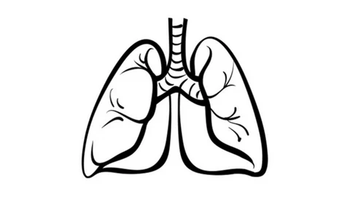
PAPILLON represents the first randomized study of newly-diagnosed patients with EGFR exon 20-mutant non–small cell lung cancer to show clinically meaningful results.
The acceptance of a new drug application for rivoceranib plus camrelizumab by the FDA is supported by data from the phase 3 CARES 310 study in patients with unresectable hepatocellular carcinoma.

In an interview with Targeted Oncology, Hope S. Rugo, MD, explained the results of the phase 3 CAPItello-291 trial, and the potential impact of the study on the breast cancer treatment paradigm.

In an interview with Targeted Oncology, Q2 2023 Oncology Icons honoree, Tara Graff, DO, MS, discusses her path to community oncology from academia, and hopes to continue to advance community-based research in the future.

In an interview with Targeted Oncology, Manmeet S. Ahluwalia, MD, a Q2 2023 Oncology Icons honoree, looks back on the career moves that led him to this award, including his work at Cleveland Clinic, the ASCO Leadership Development Program, and Baptist Health South Florida.
Benjamin Besse, MD, PhD, discusses the biomarker analysis of cohort D of the phase 1/1b CHRYSALIS-2 study.

ADRX-0706 is the first asset using the antibody drug conjugate platform from Adcentrx Therapeutics to receive investigational new drug clearance from the FDA.

Health-related quality of life measures from the phase 3 DESTINY-Breast03 trial showed that patient-reported outcomes and time of hospitalization data favored trastuzumab deruxtecan despite having a longer duration of treatment than trastuzumab emtansine.
Based on promising data from the dose-escalation portion of the phase 1 ANTLER trial evaluating CB-010 in patients with B-cell non-Hodgkin lymphoma, the dose-expansion portion has initiated enrollment.
Liza C. Villaruz, MD, discusses what research in the KRAS G12C-mutated non–small cell lung cancer space has appeared to be most promising in recent years.

The phase 1b/2 ASP-1929-181 continues to investigate the photoimmunotherapy, ASP-1929, in combination with anti-EGFR therapy in patients with advanced head and neck cancer and other solid tumors.

George Nahas, DO, discusses recent and ongoing research that has impacted the current treatment landscape for patients with multiple myeloma.

Gallium maltolate now has been granted an orphan drug designation for adult and pediatric patients with glioblastoma multiforme.

Funda Meric-Bernstam, MD, discusses fam-trastuzumab deruxtecan-nxki and the evaluation of the agent in the phase 2 DESTINY-PanTumor02 trial.
Following early efficacy demonstrated with DKN-01, bevacizumab, and chemotherapy in part A of the DeFianCe study, part B has begun enrolling patients with advanced colorectal cancer.
In an interview with Targeted Oncology, Daniel G. Stover, MD, highlighted the objective to enhance delivery of endocrine therapy plus CDK4/6 inhibitors to patients with hormone receptor-positive, HER2-negative breast cancer by utilizing biomarker assessments as a guide to interchange or cease treatment at the most favorable time.
Bradley J. Monk, MD, FACS, FACOG, discusses the rationale behind the KEYNOTE-826 study.
The FDA approves of the phase 3 IOV-LUN-202 study design, which will include approximately 120 patients with post-anti-PD-1 non–small cell lung cancer to be treated with LN-145.
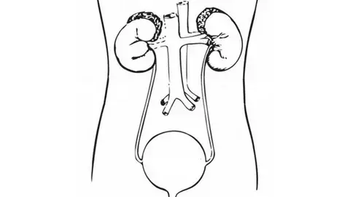
Discussing findings from a phase 1/2 study, Sarah P. Psutka MD, looks at the use of acupuncture for patients with non muscle-invasive bladder cancer prior to induction of their BCG treatment.
Following positive phase 2 results from the ROSEWOOD study, BeiGene is seeking FDA approval of zanubrutinib plus obinutuzumab for select patients with relapsed/refractory follicular lymphoma.

With a voluntary pause in enrollment in place, data surrounding treatment-emergent adverse events seen in patients with diffuse large B-cell lymphoma treated with Lonca-R can be evaluated further.
In an interview with Targeted Oncology, George Nahas, DO, discussed relevant research on chimeric antigen receptor therapy, bispecifics, and more that are moving the needle in multiple myeloma research.