

Increased understanding of the tumor microenvironment, the importance of molecular abnormalities, and the signaling pathways of cytokines has finally yielded more effective, tumor-specific therapies.

Increased understanding of the tumor microenvironment, the importance of molecular abnormalities, and the signaling pathways of cytokines has finally yielded more effective, tumor-specific therapies.
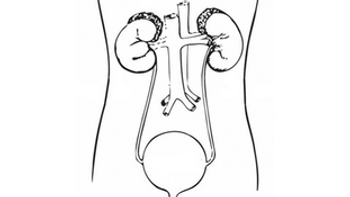
Topline data from the phase 3 ATLAS and ENVISION trials of UGN-102 showed a robust and consistent therapeutic profile when used for patients with low-grade, intermediate-risk non-muscle invasive bladder cancer.

Positive topline results from the AGAVE-201 trial have led the companies to submit a biologics license application to the FDA by the end of 2023.

Data from 2 studies, LIGHTHOUSE and SPOTLIGHT, have shown the benefit of flotufolastat F 18 injection as a radiohybrid PSMA-targeted pet imaging agent in prostate cancer. The agent has now been added to the NCCN guidelines.

Primary results from the phase 1 COVALENT 101 study demonstrate the potential of BMF-219 to induce responses in patients with various relapsed or refractory leukemias/lymphomas, including acute myeloid leukemia.

According to data from the primary and updated analyses of the phase 2 DESTINY-Gastric02 study, trastuzumab deruxtecan is beneficial for patients with HER2-positive advanced gastric cancer.

This article explorex some of the more frequently encountered toxicities of FGFR inhibitors and their optimal management.

Niraparib as a monotherapy is supported as standard of care for a broad patient population with advanced ovarian cancer after first-line platinum-based chemotherapy.

Investigators do not believe the benefit-risk profile of Lonca R in previously untreated diffuse large B-cell lymphoma supports continuation of the LOTIS-9 trial.
Robert L. Ferris, MD, PhD, discussed the growing use of bispecific antibodies and how he expects to see more of these advances in the coming years.
Investigators are evaluating the efficacy and safety of selinexor vs placebo when used as a maintenance therapy for patients with p53 wild-type advanced or recurrent endometrial cancer.

Edwin Choy, MD, provides key recommendations for community oncologists treating patients with gastrointestinal stromal tumor.
Results from a subgroup analysis of the phase 3 SIENDO study show a survival advantage, signaling that tp53 may have predictive value for treatment with selinexor, in addition to its prognostic value.

Significant progression-free survival and overall survival benefits were demonstrated with rivoceranib plus camrelizumab for patients with unresectable hepatocellular carcinoma when used in the first-line setting.

Though the benefit of consolidative stem cell transplant for patients who received A+CHP appeared less pronounced vs those treated with the CHOP regimen, the method is still supported for patients with CD30-positive peripheral T-cell lymphomas.

In an interview with Targeted Oncology, Sagun Shrestha, MD, evaluated new developments and clinical trials for patients with extensive-stage small cell lung cancer.
Lucia Masarova, MD, PhD, discusses therapeutic options for patients with polycythemia vera who are refractory to hydroxyurea.
A total of 110 patients with Bacillus Calmette-Guerin-unresponsive non-muscle invasive bladder cancer have been enrolled in a phase 3 study evaluating cretostimogene grenadenorepvec.

During a Targeted Oncology Case-Based Roundtable event, Cristina Gasparetto, MD, discussed the case of a patient with stage I multiple myeloma and highlighted outcomes of the phase 3 BOSTON trial.

In an interview with Targeted Oncology, Omid Hamid, MD, discussed the efficacy of fianlimab in combination with cemiplimab for advanced melanoma. The results of the study show new possibilities for treating patients who have failed adjuvant anti PD-1 therapy.
Interim analysis results of the phase 3 PANOVA-3 trial in patients with unresectable, locally advanced pancreatic cancer support the company proceeds with the final analysis

Sara Tolaney, MD, MPH, discusses sacituzumab govitecan-hziy as an effective and safe treatment for patients with hormone receptor-positive/HER2-negative metastatic breast cancer.
John Diaz, MD, discusses potential innovations for the ovarian cancer space.
Mitchell E. Horwitz, MD, discusses the next steps for research following the FDA approval of omidubicel.
Utilizing the combination of inotuzuamb ozogamicin and low intensity chemotherapy, with or without blinatumoamab, showed promising results, but also an increase of patient deaths during remission.
Data from the phase 3 QuANTUM-First trial have led the FDA to approve quizartinib with or without standard chemotherapy for the treatment. of FLT3-ITD-mutant acute myeloid leukemia .

In an interview, Rohan Garje, MD, discussed his research on comparing the outcomes of sarcomatoid and classic urothelial carcinoma of bladder.
The Data Monitoring Committee for the phase 3 KEYNOTE-A18 clinical trial has announced that the study met one of its primary end points.

Hatim Husain, MD, discussed with participants the case of a patient with lung adenocarcinoma.

In an interview with Targeted Oncology™, Q2 2023 Oncology Icons honoree, Thaddeus Beck, MD, FACP, discussed his 30 plus years of experience in clinical practice.