

In an interview with Targeted Oncology, Susana K. Banerjee, PhD, further discussed the updated results of the MEDIOLA trial and the implications of these findings.

In an interview with Targeted Oncology, Susana K. Banerjee, PhD, further discussed the updated results of the MEDIOLA trial and the implications of these findings.

Updated data from the phase 1/2 AUGMENT trial led to a 30% complete remission rate and an overall response rate of 53% with SNDX-5613 when used in patients with relapsed/refractory acute leukemias.
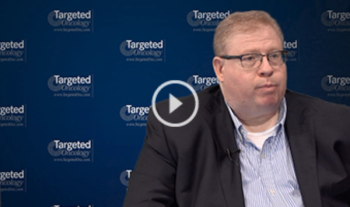
Jonathan E. Rosenberg, MD, discusses what has been previously shown with enfortumab vedotin for patients with locally advanced metastatic urothelial cancer.

By combining telisotuzumab vedotin with erlotinib for patients with c-MET protein expressing non–small cell lung cancer, researchers saw promising early antitumor activity.
Despite halting the development of SRF388, the developer announces positive phase 1 efficacy and progress in a phase 2 study of SRF388 in combination with pembrolizumab.
The phase 1 study of lintuzumab-Ac225 combined with the CLAG-M regimen in acute myeloid leukemia demonstrated positive response rates, including an overall survival rate of 53% at 1-year and 32% at 2-years.
A breakthrough therapy designation has been granted by the FDA to elranatamab for relapsed/refractory multiple myeloma.

David S. Hong, MD, discusses larotrectinib and its mechanism of action.
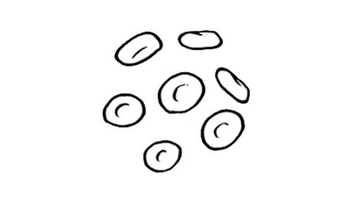
The CAR T-cell therapy tisagenlecleucel showed promising anti-tumor activity in pediatric patients with acute lymphoblastic leukemia.

An abbreviated new drug application was approved by the FDA for leuprolide acetate injection as treatment of patients with advanced prostate cancer.

Adam Weiner, MD, discusses next steps for molecular testing in prostate cancer.
OTX-2002 has received an orphan drug designation by the FDA for patients with hepatocellular carcinoma. The agent will further be evaluated in the phase 1/2 MYCHELANGELO trial.
In an interview with Targeted Oncology, Edward B. Garon, MD, MS, discussed the results of the phase 3 CANOPY-A study.

Phase 2 trial of trilaciclib administered prior to sacituzumab govitecan-hziy in patients with unresectable, locally advanced, or metastatic triple-negative breast cancer demonstrates encouraging reductions in adverse events.
Based on findings from a phase 2 trial conducted by Memorial Sloan Kettering Cancer Center, the FDA has approved the use of cobimetinib for patients with histiocytic neoplasms.

A phase 1/2 clinical trial evaluating treatment with MRT-2359 in MYC-driven solid tumors has dosed its first patient and looks to improve early signals of clinical activity.

In an interview with Targeted Oncology, Marcin Dzienis, MD, further discussed the phase 4 trial of pembrolizumab plus carboplatin and paclitaxel in patients with recurrent/metastatic head and neck squamous cell carcinoma.
A pooled analysis of 3 studies showed that there was an extended treatment benefit for patients with FRα positive recurrent ovarian cancer treated with the novel antibody-drug conjugate mirvetuximab soravtansine.

Following positive results and FDA action on pidnarulex in BRAC 1/2-positive ovarian cancer, a phase 1 study is exploring the agent in metastatic castration-resistant prostate cancer, in combination with talazoparib.

Leading local cancer center expands clinic reach to Laclede County with a new location.
Eytan M. Stein, MD, defines Menin inhibition and its role in the leukemia space.

A phase 1/2 study of ZN-c3, encorafenib, and cetuximab in patients with BRAF V600E-mutated colorectal cancer will begin, led by Zentalis Pharmaceuticals and Pfizer.
According to results from the SIERRA trial, Iomab-B may be an effective choice for patient with relapsed or refractory acute myeloid leukemia who are 55 years of age or older.
In a first-in-human trial, a peptide-drug conjugate showed tolerability and antitumor activity in patients with advanced solid tumors.
Florida Cancer Specialists & Research Institute, LLC has submitted an application to participate in Medicare’s Enhancing Oncology Care Model, an alternative payment model that aims to address healthcare inequities, reduce costs, and improve and report outcomes for cancer patients.
Richard S. Finn, MD, discusses the background on lenvatinib and what led to the development of the LEAP-002 trial.
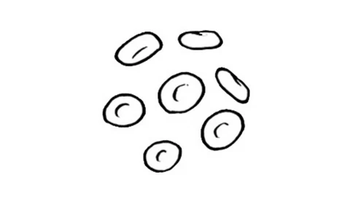
In the prespecified interim analysis of the COMMANDS trial for low-risk myelodysplastic syndromes, luspatercept had statistically significant and clinically meaningful improvements in red blood cell transfusion independence with no new safety signals.

Cristian Tomasetti, discusses the role of circulating tumor-DNA after surgery in patients with stage II colon cancer.
In a unanimous vote, the FDA’s Oncologic Drugs Advisory Committee has voted that there is not enough evidence to conclude omburtamab improves overall survival in neuroblastoma with central nervous system/leptomeningeal metastases.
Physicians, clinicians and senior leaders of Florida Cancer Specialists & Research Institute, LLC will continue their long history of active involvement with the Florida Society of Clinical Oncology at the FLASCO Fall Session being held in Orlando, Oct. 28 & 29.