

Positive efficacy and safety results from the phase 3 EPCORE™ NHL-1 trial have lead to an FDA application for approval of epcoritamab to treat relapsed or refractory large B-cell lymphoma.

Positive efficacy and safety results from the phase 3 EPCORE™ NHL-1 trial have lead to an FDA application for approval of epcoritamab to treat relapsed or refractory large B-cell lymphoma.

In an interview with Targeted Oncology, Alfred L. Garfall, MD, discussed the FDA approval of teclistamab, the MajesTEC-1 trial, and how this information should be used in the future.
Carolyn Owen, MD, discusses how the treatment landscape has shifted in chronic lymphocytic leukemia.

In an interview with Targeted Oncology, Nicholas J. Short, MD, discussed the evolution of the treatment landscape for acute lymphoblastic leukemia and what he hopes is next to come.

Additional findings fro the phase 2 SOLO2 study shows that there is a need for research to determine the optimal strategy for patients who relapse after treatment with a PARP inhibitor.

The phase 3 CHART study reveals better survival with rezvilutamide plus androgen deprivation therapy vs bicalutamide and androgen deprivation therapy in metastatic, hormone-sensitive prostate cancer.

Early results from the phase 1 JEWEL-101 study show XB002 is well-tolerated in patients with advanced solid tumors.

Gene G. Finley, MD, explains the use of conventional chemotherapy in the small cell lung cancer space.
Despite the small number of patients enrolled, the confirmatory phase 3 LIGHTHOUSE study of melphalan flufenamide in patients with relapsed/refractory multiple myeloma demonstrates promising safety and efficacy.
Srdan Verstovsek, MD, PhD, discusses the increased thrombotic risk and management for patients with essential thrombocythemia.
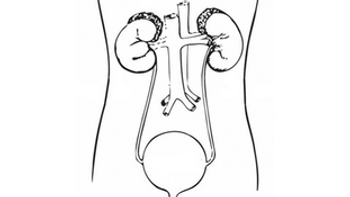
In an interview with Targeted Oncology, Philippe Barthelemy, MD, discussed the preliminary findings of the AVENANCE trial of avelumab in patients with advanced or metastatic urothelial carcinoma.
Florida Cancer Specialists & Research Institute has appointed Josh Eaves as Chief Development & Strategy Officer, reporting to Chief Executive Officer Nathan H. Walcker.

Andreas Saltos, MD, discusses what he anticipates future research will examine regarding treatment options for EGFR and KRAS-mutated non-small cell lung cancer.

A progression-free survival advantage and trend toward overall survival benefit has been demonstrated in the CAPItello-291 study of capivasertib and fulvestrant for the treatment of hormone receptor-positive, HER2-low or negative locally advanced or metastatic breast cancer.
The risk of progression or death in post-menopausal patients with estrogen receptor-positive locally advanced or metastatic breast cancer was reduced with camizestrant in the SERENA-2 study.

With all patients with solid tumors enrolled in the phase 1 study of QBS72S, 2 more studies evaluating the agent in brain malignancies will commence.

Jamie Brett discusses the similarities and differences between ESR1 mutations and fusions and why they are grouped together.

The FDA has released their final guidance for developing drugs and biological products for the treatment of patients with acute myeloid leukemia. This focuses on the end points in which sponsors and clinicians should consider when looking at these new agents.
Based on positive responses from the phase 1/2 MajesTEC-1 trial, the FDA has granted approval for the use of teclistamab-cqyv in relapsed or refractory multiple myeloma.
Michael Diaz, MD, will co-chair the Payer Exchange Summit on Oncology Payment Reform presented by the Community Oncology Alliance on October 24 and 25, 2022 in Tysons Corner, VA.
In an interview with Targeted Oncology, Eytan M. Stein, MD, discussed the benefits and potential use of menin inhibition for patients with acute myeloid leukemia.
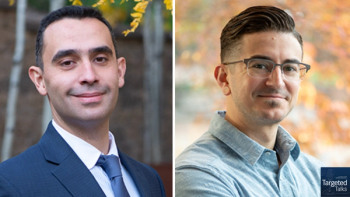
In season 3, episode 9 of Targeted Talks, Mohammed Salhab, MD, and Chris Fine, MD, FACC, have a special discussion about cardiotoxicity from immune checkpoint inhibitor therapy in patients with cancer.

William Wierda, MD, PhD, explored the emergence of small molecule-inhibitor targeted therapies during the “Workup of CLL in the Era of Small Molecules,” presentation at the 10th Annual Meeting of the Society of Hematologic Oncology.
In the phase 1/2 LIBRETTO-001 trial, selpercatinib demonstrated promising safety and efficacy in patients aged 18 years and older with RET-altered cancers.
Mark Markowski, MD, PhD, discusses the results of a phase 1b/2 study examining treatment with sabizabulin in patients with metastatic castration-resistant prostate cancer.
In an interview with Targeted Oncology, Nitin Jain, MD, further discussed the ongoing research of allogeneic chimeric antigen receptor T cells as treatment for patients with ALL. He also notes what future research must examine to further the field.
Based on data from the phase 3 QuANTUM-First trial, the FDA has accepted and granted priority review to the new drug application for quizartinib for patients with FLT3-ITD-positive acute myeloid leukemia.

Alexey Danilov, MD, PhD, discusses the current treatment landscape for chronic lymphocytic leukemia and how it has evolved.
Findings from the phase 3 HIMALAYA trial have led the FDA to grant approval to the combination of tremelimumab and durvalumab for the treatment of patients with unresectable hepatocellular carcinoma.

During a tweet chat, Shifeng S. Mao, MD, PhD and Targeted Oncology Twitter followers discussed the case of 59-year-old woman with clear-cell renal cell carcinoma ad best treatment options for the patient.