

FDA moves new breast and colorectal cancer therapies forward, while experts spotlight pancreatic precision drugs and belzutifan safety in ccRCC.

FDA moves new breast and colorectal cancer therapies forward, while experts spotlight pancreatic precision drugs and belzutifan safety in ccRCC.

Experts debate MMR/p53 testing, liquid biopsy, and immunotherapy sequencing in endometrial cancer, refining prognosis and relapse treatment.

Phase 3 interim data show anbenitamab plus chemo boosts survival and response in previously treated HER2-positive gastric cancer with manageable toxicity.
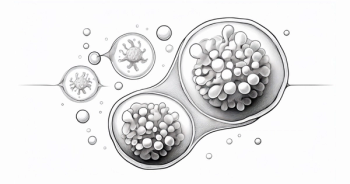
First-in-human DS3790 trial tests a CD37-targeted ADC for relapsed/refractory B-cell non-Hodgkin lymphoma, aiming to improve response durability and survival.

A trial found that off-the-shelf TRX103 Tr1 cells were safe to use after a mismatched donor stem cell transplant, showing engraftment, dose-dependent expansion, and persistence.

Study finds income and other financial factors outweigh race in determining cancer trial enrollment, highlighting reforms and simpler trial designs to expand access.
Real-world data show over an 40% response rate for lifileucel TIL therapy, indicating that those treated earlier did better and fewer doses of IL-2 could be used effectively.

FDA strengthens capecitabine and 5‑FU labels: DPD deficiency can trigger fatal toxicity; consider testing, lower doses, and prompt antidote.

During a live event, Andrew H. Lipsky, MD, and participants weigh acalabrutinib, zanubrutinib and pirtobrutinib, comparing real-world side effects, cardiac risks, and dosing tradeoffs.
A phase 2 trial of acalabrutinib led to favorable response rates and tolerability in steroid-refractory chronic GVHD.

CD34+ donor chimerism flags AML relapse early; timely donor lymphocyte infusion boosts MRD-negative remissions and survival after alloHSCT.
A trial of ustekinumab as graft-vs-host disease (GVHD) prophylaxis after hematopoietic cell transplant did not meet its primary end point but showed more favorable outcomes in patients who had myeloablative conditioning.

Phase 2 data show varnim-cel delivers 83% responses with mostly mild CRS and minimal neurotoxicity, boosting CAR T access in India.
A real-world ciltacabtagene autoleucel (cilta-cel) study revealed a link between high lymphocyte peaks and failed bridging to parkinsonism and nonrelapse mortality, potentially guiding early intervention.

A recent study reveals significant racial disparities in ovarian cancer trial outcomes, highlighting the urgent need for improved diversity in clinical research.

Phase 2 trial tests azacitidine plus venetoclax in therapy-related high-risk MDS, showing remissions and better posttransplant survival despite TP53 mutations.

During a virtual event, Aditya Bardia, MD, MPH and participants weigh elacestrant and imlunestrant, comparing real-world adverse effects and efficacy.
FDA clears mRNA-based HPV test for primary screening, helping clinicians spot cancer-driving infections, cut overtreatment, and personalize care.

FDA fast-tracks pelareorep with bevacizumab and FOLFIRI for KRAS-mutant MSS metastatic colorectal cancer, after standout response and survival signals.

TNBC care shifts to TROP2 ADCs plus immunotherapy, highlighting early relapse needs, sequencing dilem

A recent study reveals significant progress in biomarker testing for lung cancer in community settings, highlighting the need for improved access to targeted therapies.
During his presentation at the 4th Annual Miami Cancer Institute Precision Oncology Symposium, Petros Grivas, MD, PhD, FASCO, provided a detailed roadmap for community oncologists with an emphasis on precision medicine.
FDA reviews new drug applications for rivoceranib and camrelizumab as first-line treatments for advanced liver cancer, promising improved survival rates.

During a live event, Sumanta K. Pal and other oncologists discuss the safety and efficacy of belzutifan for advanced renal cell carcinoma, highlighting management of anemia and hypoxia.
FDA prioritizes review of datopotamab deruxtecan for treating metastatic triple-negative breast cancer, showing significant survival benefits over chemotherapy.
A groundbreaking phase 2 trial explores a novel, chemotherapy-free immunotherapy for relapsed indolent B-cell lymphomas, aiming to enhance patient outcomes.

Discover the latest advancements in pancreatic cancer treatment, including targeted therapies and next-generation sequencing, transforming patient care and outcomes.
The FDA granted orphan drug designation to IFx-2.0, an injection designed to enhance immune response, in cutaneous melanoma.