RB-1355 reprograms autologous macrophages to heat up lymphoma tumors, avoid lymphodepletion, and deliver fast 1-week cellular therapy.

RB-1355 reprograms autologous macrophages to heat up lymphoma tumors, avoid lymphodepletion, and deliver fast 1-week cellular therapy.
FDA fast-tracks PLT012, a CD36 metabolic checkpoint antibody for liver cancer, as phase 1 trial tests safety and early efficacy.

Electronic symptom reports plus pediatric palliative care improve physical quality of life in advanced childhood cancer when follow-up is consistent.
FDA reviews oral giredestrant plus everolimus for ESR1-mutated ER+ metastatic breast cancer after CDK4/6 failure, with strong PFS gains and manageable safety.
FDA approves 14‑month, all‑oral acalabrutinib plus venetoclax first-line for CLL/SLL, boosting progression-free survival and offering a fixed-duration alternative to chemo.

During a Case-Based Roundtable event, Timothy Cloughesy, MD, and participants discuss targeted IDH inhibition in patients with grade 2 gliomas.
An overview of the FDA’s draft guidance on MRD as a clinical trial end point, with expert insight on what it means for drug development in multiple myeloma.
Discover how AI accelerates precision cancer care, streamlines trials, and tackles bias and liability—what oncologists need to know now.

Screening rates fall as many women seek privacy and convenience; FDA‑cleared home HPV self-sampling may boost access and reduce disparities.
Durvalumab boosts survival in limited-stage SCLC, yet US costs miss value thresholds, fueling urgent debates on access and pricing.
The FDA granted breakthrough therapy designation to Rybrevant Faspro based on data from the phase 1b/2 OrigAMI-4 study (NCT06385080).
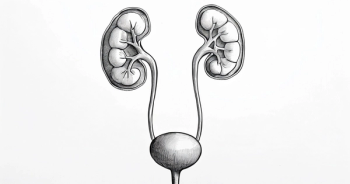
The 5-mg dose of oxybutynin reduced the frequency and severity of hot flashes in men with prostate cancer undergoing treatment with androgen-deprivation therapy compared with placebo.

The IMMUNEBOOST-HPV trial investigated whether adding nivolumab (Opdivo) immunotherapy before standard chemoradiation could improve outcomes for patients with high-risk oropharyngeal cancer.

How HRD and BRCA results steer frontline ovarian cancer maintenance—niraparib vs olaparib—plus guidance on recurrence, surgery, and clinic efficiency.
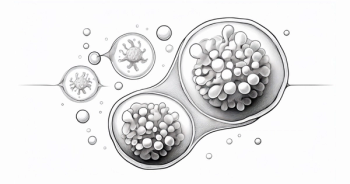
New Uniphar deal widens European managed-access to Lymphir for relapsed CTCL, spotlighting targeted immunotherapy and manageable early-cycle risks.
FDA accepts tirabrutinib for accelerated review in relapsed/refractory CNS lymphoma, spotlighting strong phase 2 responses and a needed U.S. option.

Discover how precision lung cancer care tackles gene fusions, new HER2/ROS1/ALK drugs, expanded screening, and liquid biopsies shaping 2026 treatment.

Circulating tumor DNA showed potential as a dynamic biomarker in assessing response to immune checkpoint inhibitors in melanoma.
Phase 3 BREAKWATER finds encorafenib+cetuximab+FOLFIRI improves PFS and response in first-line BRAF V600E metastatic colorectal cancer.
During a live event, Marc J. Braunstein, MD, PhD, and participants discussed how recent trial findings are affecting their treatment of newly diagnosed multiple myeloma.

Cancer survival hits 70% as early screening and immunotherapy advance—yet survivorship needs and Indigenous disparities demand urgent action.


The FDA accepted the new drug application for iberdomide based on minimal residual disease negativity benefit shown in the EXCALIBER-RRMM trial.
FDA approves monthly subcutaneous amivantamab plus lazertinib for EGFR-mutated advanced NSCLC, cutting clinic time and infusion reactions while maintaining efficacy.
Adjuvant selpercatinib boosts event-free survival after surgery in early-stage RET fusion–positive NSCLC, signaling a potential new standard and expanding genomic testing.
Why most eligible lymphoma patients miss CAR T: experts urge stronger academic-community handoffs, clearer protocols, and smarter caregiver support.
During a live event, Hagen Kennecke, MD, discusses how RADIANT-4 and NETTER trials have reshaped NET care with everolimus and PRRT.
How to manage Richter transformation: rapid biopsy, targeted combos, and early referral for CAR T or transplant, thus closing the access gap.
FDA grants orphan drug designation to HCB101 for gastric cancer; early trials suggest safer CD47 checkpoint blockade with promising tumor control in advanced settings.