

The large phase III MAGRIT study investigating the MAGE-A3-specific vaccine GSK1572932A for patients with non-small cell lung cancer (NSCLC) will be completely halted following an interim analysis that demonstrated a lack of benefit.

The large phase III MAGRIT study investigating the MAGE-A3-specific vaccine GSK1572932A for patients with non-small cell lung cancer (NSCLC) will be completely halted following an interim analysis that demonstrated a lack of benefit.

The US Supreme Court’s landmark decision last June, mandating that an individual’s genes cannot be patented, transformed the genetic testing landscape and opened the marketplace to a host of new and complicated testing options.

The blood-based colorectal cancer (CRC) screening test Epi proColon passed the scrutiny of the FDA’s Molecular and Clinical Genetics advisory panel in a close 5-4 vote with 1 abstention in support of the claim that the test’s benefits outweigh its risks.

The oncolytic immunotherapeutic vaccine talimogene laherparepvec (T-VEC) promoted tumor shrinkage in 64% of patients with advanced melanoma, including a marked reduction in the size of uninjected metastatic lesions.

Nivolumab, a PD-1-specific antibody, has shown to produce long-term remissions with limited toxicity in patients with advanced melanoma, according to results from one of the longest follow ups to examine the drug.

The MAGE-A3-specific immunotherapeutic GSK1572932A failed to significantly extend disease-free survival (DFS) in patients with resected nonmetastatic non-small cell lung cancer (NSCLC) who tested negative for a specific gene expression signature.

Screening for prostate-specific antigen (PSA) significantly cuts the death rate from prostate cancer, but at the same time, America’s medical community should work harder to avoid the screen’s potential pitfalls.

The non-Hodgkin’s lymphomas are a diverse and heterogeneous group of neoplasms most commonly originating in B lymphocytes (80%-85%), but also in T lymphocytes (15%-20%), and, rarely, in natural killer cells.

An exceptional responder with advanced urothelial carcinoma experienced a complete radiologic response lasting 13.8 months following treatment with the combination of everolimus (Afinitor) and pazopanib (Votrient).

New treatments that are currently in development have begun to show promise for patients diagnosed with ALK-positive non-small-cell lung cancer (ALK+ NSCLC), a subset of patients who have historically faced poor outcomes.

Until recently, the cornerstone of therapy for metastatic melanoma had been chemotherapy with dacarbazine (DTIC) and immunotherapy with high-dose interleukin-2 (HD IL-2) or interferon- (IFN- ).

According to a new study, physicians now have a clearer understanding of the optimum age for prophylactic oophorectomy in patients with BRCA mutations who want to reduce their risk of ovarian, fallopian tube, and breast cancer.

The second-line administration of ramucirumab in combination with docetaxel demonstrated a statistically significant improvement in overall survival (OS) and progression-free survival (PFS) compared with placebo plus docetaxel in patients with non-small cell lung cancer (NSCLC). The announcement was made Feb. 19 by Eli Lilly and Company, the company developing the agent.

Skin cancer is the most common form of malignancy in the United States, and melanoma represents the most deadly subset.

Updates on dabrafenib, trametinib, lambrolizumab, and more.

Ibrutinib (Imbruvica) has received an FDA approval to include the treatment of patients with chronic lymphocytic leukemia (CLL) who have received at least one previous therapy.
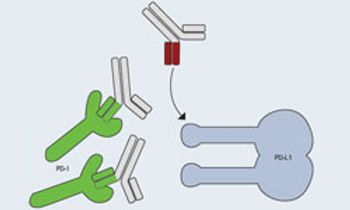
There are currently numerous experimental therapeutic options in various phases of clinical development that may hold promise for patients with advanced melanoma.

Merck announced the signing of three separate clinical collaboration agreements to evaluate the potential of MK-3475 across multiple tumor types. The agreements were signed through subsidiaries with Amgen Inc., Incyte Corporation, and Pfizer Inc.

The intravenous pan-HDAC inhibitor belinostat (Beleodaq) as a treatment for patients with relapsed or refractory peripheral T-cell lymphoma (PTCL) has received a priority review designation from the FDA.

The FDA has granted a Breakthrough Therapy designation for the small molecule thrombopoietin receptor (TPOR) agonist eltrombopag (Promacta) for the treatment of cytopenias in patients with severe aplastic anemia (SAA) who have had insufficient response to immunosuppressive therapy.

Abraxane (paclitaxel protein-bound particles for injectable suspension) (albumin-bound) is a microtubule inhibitor.
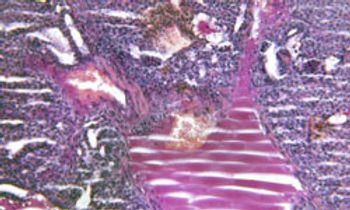
The investigational agent lenvatinib (E7808) met its primary endpoint of progression-free survival (PFS) in the phase III SELECT trial, which compared lenvatinib to placebo in patients with radioiodine-refractory differentiated thyroid cancer (RR-DTC),according to Eisai Inc., the company that is developing the agent.

Palbociclib plus letrozole is tolerable and more than doubles progression-free survival (PFS) for postmenopausal patients with locally advanced or newly diagnosed estrogen receptor (ER)-positive, HER2-negative metastatic breast cancer, according to final results from the phase II PALOMA-1 trial
The FDA has granted a Breakthrough Therapy designation to dabrafenib for its potential as a treatment for patients with metastatic BRAF V600E mutation-positive NSCLC who have received at least one prior line of platinum-containing chemotherapy.
The combination of the MEK inhibitor trametinib (Mekinist) and the BRAF inhibitor dabrafenib (Tafinlar) has received an accelerated approval from the FDA as a treatment for patients with unresectable or metastatic melanoma who harbor a BRAF V600E or V600K mutation.
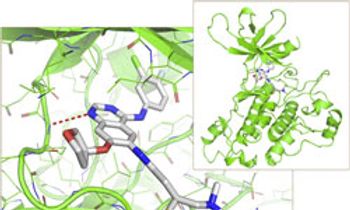
This activity is intended to provide an understanding of the optimal use and interpretation of biomarker testing in patients with non-small cell lung cancer.
Belinostat (PXD101), in combination with doxorubicin, could provide benefit for patients with soft tissue sarcomas, according to final results from the first stage of the phase II portion of the phase I/II CLN-14 clinical trial.
The FDA has expanded the approval for sorafenib (Nexavar) to include the treatment of patients with radioactive iodine (RAI)-resistant metastatic differentiated thyroid cancer (DTC).

Aldoxorubicin demonstrated response rates that culminated in a higher incidence of stable disease versus doxorubicin as a first-line treatment for advanced soft tissue sarcomas, according to results from an ongoing phase IIb study.

The investigational anti-PD-1 immunotherapy MK-3475 has demonstrated an overall survival rate of 81% at one year in patients with advanced melanoma.