

New trial data shows ivonescimab combined with chemotherapy significantly improves progression-free survival in EGFR-mutated non-small cell lung cancer patients.

New trial data shows ivonescimab combined with chemotherapy significantly improves progression-free survival in EGFR-mutated non-small cell lung cancer patients.

Discover the latest breakthroughs in oncology, including FDA approvals and promising clinical trial results that offer hope for patients battling cancer.
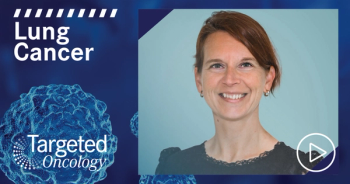
Dr. Gerrina Ruiter discusses zongertinib's promising efficacy in treating HER2-mutant NSCLC, highlighting its unique effectiveness against brain metastases.
FDA designates AMXT 1501 and DFMO as an orphan drug for neuroblastoma, aiming to enhance treatment outcomes for pediatric patients.

Innovative DNA-based immunotherapy shows promise, achieving over five years of recurrence-free survival in patients with aggressive brain and liver cancers.
Tarlatamab-dlle combined with anti-PD-L1 therapy shows remarkable survival rates and manageable safety in extensive-stage small cell lung cancer patients.
FDA advises against BLA submission for IO Biotech's melanoma vaccine after phase 3 trial results narrowly missed statistical significance.
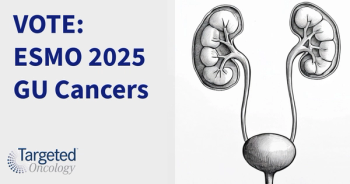
Vote on the latest breakthroughs in renal and bladder cancer at ESMO 2025, featuring pivotal late-breaking abstracts.
The FDA approves lurbinectedin and atezolizumab for first-line maintenance in extensive-stage small cell lung cancer, significantly enhancing survival rates.
FDA fast tracks ETX-636, a promising treatment for advanced breast cancer with PIK3CA mutations, aiming to improve patient outcomes.
FDA accepts T-DXd for neoadjuvant HER2-positive breast cancer treatment, promising improved outcomes and safety for high-risk patients.
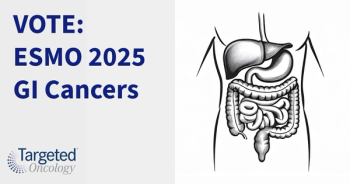
Discover the most anticipated late-breaking abstracts in gastrointestinal cancers at ESMO 2025 and influence the conversation in oncology research.
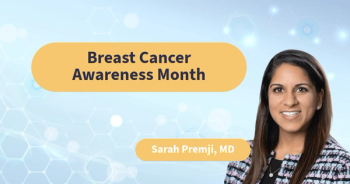
Dr Sarah Premji discusses advancements in breast cancer treatment, emphasizing community trials, personalized therapies, and how to address unmet patient needs.
SHR-4849 shows promising efficacy and manageable safety in relapsed small cell lung cancer, highlighting its potential as a targeted treatment option.

Acalabrutinib combined with lenalidomide and rituximab shows promising results as a frontline treatment for follicular lymphoma, achieving high response rates.

During a live event, Ann F. Mohrbacher, MD, discussed outcomes from the latest follow-up of the ZUMA-7 and TRANSFORM trials.

During a live event, Adriana Rossi, MD, discussed how cilta-cel induces responses and overcomes high-risk genetics in relapsed multiple myeloma.
Umoja Biopharma's UB-VV111 receives FDA fast track designation, advancing CAR T cell therapy for relapsed/refractory B-cell malignancies.
New findings reveal zongertinib's effectiveness against brain metastases in HER2-mutant non–small cell lung cancer, offering hope for better treatment options.
Explore upcoming PDUFA action dates for innovative oncology treatments, including promising therapies for hard-to-treat cancers in late 2025.
September sees pivotal FDA approvals and designations, advancing innovative cancer treatments and reshaping oncology care for various malignancies.
During a live event, Michael C. Lowe, MD, MA, discussed how lifileucel provides an option for patients with unresectable or metastatic melanoma.

A groundbreaking trial reveals trastuzumab deruxtecan significantly improves survival in high-risk HER2-positive breast cancer patients post-neoadjuvant therapy.

Central Screening revolutionizes clinical trial enrollment by integrating technology and expertise, streamlining patient matching for targeted cancer therapies.


Explore the complexities of CAR T-cell therapy, focusing on noncanonical toxicities like ICAHT and IEC-HS, and their management strategies.
Edward S. Kim, MD, MBA, and Neel Shah, MD, discuss advancing lung cancer care and tackling real-world access barriers for community physicians in the Treating Together podcast.

During a live event, Sara Nunnery, MD, MSCI, and participants discussed different chemotherapy agents that can be used with pembrolizumab in patients with metastatic triple-negative breast cancer.
FDA approves imlunestrant for advanced breast cancer, enhancing treatment options for patients with ESR1 mutations through innovative genomic profiling.
Cancer care for younger adults emphasizes emotional well-being and multidisciplinary support, transforming treatment experiences and outcomes for this vulnerable group.