
Nini Wu, MD, MBA, discusses how community oncology practices can leverage technology to maximize efficiency and reduce administrative burdens.

Nini Wu, MD, MBA, discusses how community oncology practices can leverage technology to maximize efficiency and reduce administrative burdens.

Madhur Nayan, MD, PhD, discusses a new machine learning model developed to enhance prostate cancer screening.

Adding pertuzumab to standard of care improved survival by 17% in patients with early-stage HER2-positive breast cancer.

T-DXd monotherapy and T-DXd plus pertuzumab continue to show robust efficacy in HER2-positive metastatic breast cancer.
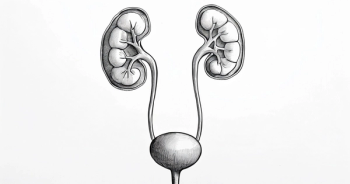
Colin P.N. Dinney, MD, PhD, discussed updated analyses of the BOND-003 and CORE-001 trials in bladder cancer.


THE001, a thermosensitive doxorubicin liposome for soft tissue sarcomas, received FDA orphan drug designation, offering development benefits.
Disitamab vedotin plus toripalimab showed significant survival benefits vs chemo in first-line HER2+ advanced urothelial carcinoma, with a manageable safety profile.

Jack Khouri, MD, discusses data from a multicenter study of teclistamab in patients with relapsed/refractory multiple myeloma who had prior exposure to BCMA-directed therapy.
Andrew Kuykendall, MD, discusses data from a phase 2 trial of fedratinib for the treatment of myeloproliferative neoplasms.
The FDA has cleared investigational new drug applications and handed out fast track designations. Plus, data shows promise for novel therapies in hard-to-treat cancers.
Colin P.N. Dinney, MD, provides some background on translational analyses from the BOND-003 and CORE-001 trials.

The field of cancer research and treatment is, almost by definition, continually evolving.
The FDA cleared the investigational new drug application of IDE849, a potential first-in-class DLL3-targeted antibody-drug conjugate for solid tumors.
Durvalumab plus full BCG significantly improved disease-free survival in high-risk early bladder cancer vs BCG alone in the POTOMAC trial.

The anti-GD2 therapy naxitamab has been included in the NCCN Clinical Practice Guidelines in Oncology for the treatment of patients with neuroblastoma.
ADRX-0706, a Nectin-4-targeted antibody-drug conjugate, has earned FDA fast track designation in advanced cervical cancer.

Nicole A. Cipriani, explores the clinical relevance of the BRAF p.V600E mutation in papillary thyroid carcinoma and its potential role in guiding treatment decisions.
Stuart J. Schnitt, MD, discussed artificial intelligence enhancements roadblocks, and potential integration for cancer diagnostics with Targeted Oncology.
Enriqueta Felip, MD, PhD, discusses how results from the phase 3 3475A-D77 trial evaluating subcutaneous pembrolizumab vs intravenous pembrolizumab, plus chemotherapy, for the treatment of metastatic NSCLC may impact patient experience and clinical workflow.

Panitumumab combined with FOLFOX improves survival and reduces recurrence in RAS/BRAF wild-type locally advanced colon cancer.

Avutometinib given with defactinib is now approved for the treatment of adult patients with recurrent low-grade serous, KRAS-positive ovarian cancer.
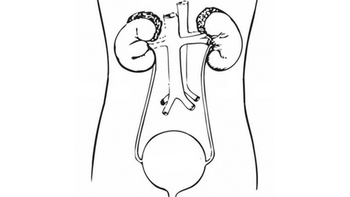
Talazoparib plus enzalutamide significantly delayed the deterioration of global health status and quality of life in patients with mCRPC in the TALAPRO-2 study.
Yelena Y. Janjigian, MD, discusses how to manage the potential adverse events of pembrolizumab when using the recently approved combination of pembrolizumab plus trastuzumab and chemotherapy.
The FDA granted fast track status to givinostat for treating high-risk polycythemia vera, supporting its potential shown in the ongoing phase 3 GIV-IN PV trial.


Transplantation improves survival after cladribine-based therapy for patients with relapsed/refractory acute myeloid leukemia, per phase 2 trial findings.

T-DXd plus THP led to significant improvements in pathologic complete response in patients with early-stage, HER2+ breast cancer, according to DESTINY-Breast11 data.
Amandeep Salhotra, MD, discusses data from the phase 3 Precision-T trial of Orca-T in patients with advanced hematologic malignancies.
The resubmitted biologics license application for narsoplimab in transplant-associated thrombotic microangiopathy has been accepted by the FDA.