

Trials of IFx-Hu2.0 are initiating, looking to overcome checkpoint inhibitor resistance in Merkel cell carcinoma.

Trials of IFx-Hu2.0 are initiating, looking to overcome checkpoint inhibitor resistance in Merkel cell carcinoma.

Quoc-Dien Trinh, MD, MBA, discusses a sub-analysis of the phase 3 ARANOTE trial, which focused on Black patients with metastatic hormone-sensitive prostate cancer.

With the clinical hold on the tab-cel application lifted, phase 2 and 3 trials of the T-cell immunotherapy in patients with PTLD may resume.

Amandeep Salhotra, MD, discusses Orca-T and its evaluation in the phase 3 Precision-T trial in patients with advanced hematologic malignancies.
A phase 1b/2 trial in triple-negative breast cancer will assess LP-184 alone and with a PARP inhibitor in advanced cases.
The FDA issued an RTF for sBLA of nogapendekin alfa plus BCG for BCG-unresponsive NMIBC papillary disease, following prior positive feedback.

The Wee1 inhibitor adavosertib shows activity in recurrent uterine serous carcinoma, but the drug’s tolerability remains a challenge.
Following promising phase 1 data, ISB 2001 has gained fast track designation from the FDA for the treatment of relapsed/refractory multiple myeloma.

The final ALCYONE analysis with 86.7-month follow-up shows daratumumab-VMP significantly improved overall survival in transplant-ineligible, newly diagnosed multiple myeloma.
Mohammed Milhem, MBBS discussed the mechanism of action of RP1, the design and preliminary findings of the IGNYTE trial in melanoma.
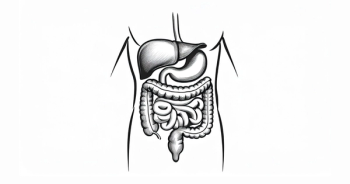
A groundbreaking study reveals the potential of CISH inhibition in enhancing immunotherapy for metastatic colorectal cancer, showcasing promising patient responses.

A transformative milestone in cancer care has arrived in Central New Jersey with the reopening of the John Theurer Cancer Center at 80 James Street in Edison.
Neal Shore, MD, FACS, discusses sasanlimab and its potential impact for community oncologists when treating patients with high-risk non–muscle invasive bladder cancer.
Jason M. Hafron, MD, discusses IsoPSA, a novel prostate-specific antigen assay for patients with a PSA > 4ng/ml who are facing a decision on prostate biopsy.

A post hoc analysis shows significantly improved ORR and PFS in advanced NSCLC with higher AFM24 exposure, supporting optimized dosing strategies.
Here is a look back on all the FDA happenings from the month of April 2025.

The FDA requires more data to approve the application of TLX101-CDx for the detection and differentiation of glioma.
INX-315, a CDK2 inhibitor, gained FDA fast track status in CCNE1-positive platinum-resistant/refractory ovarian cancer.

Following clearance from the FDA, a phase 1/2 study will assess OBI-902 in Trop-2-overexpressing solid tumors, with plans for enrollment to begin later this year.

LBL-007 plus toripalimab showed manageable safety and favorable response in advanced solid tumors, notably higher in IO-naive nasopharyngeal carcinoma. Higher LAG-3 was linked to better responses.
Ahmad Tarhini, MD, PhD, provides data into his research looking at inherited genetic variations and genetic ancestry in patients with high-risk melanoma.
Olalekan O Oluwole, MD, MBBS, discussed a study on cytokine release syndrome and neurological events post axicabtagene ciloleucel in large B-cell lymphoma.

Bladder cancer patients undergoing radical cystectomy after pelvic radiotherapy showed increased risks of rectal injury, readmission, sepsis, and surgical-site infections compared with primary surgery.
An ARANOTE substudy showed darolutamide plus ADT significantly improved outcomes (rPFS HR 0.51) and PSA suppression in Black men with mHSPC, with similar safety to overall trial.
Adagrasib shows initial promise, tolerability, and encouraging response rates in STK11/KRAS G12C-mutant lung cancer.

Ravindra Uppaluri, MD, PhD, discussed the KEYNOTE-689 trial, which investigated pembrolizumab in locally advanced head and neck squamous cell carcinoma.
A study of 47,387 patients found radical prostatectomy had the lowest long-term risk of severe genitourinary complications after localized prostate cancer treatment compared to combination therapies.
Prostatectomy for grade group 1 prostate cancer significantly decreased from 2010 to 2024 in SEER and MUSIC data. Remaining cases show more high-risk features.
Ahmad Tarhini, MD, PhD, discusses inherited genetic variations and genetic ancestry, particularly for patients with high-risk melanoma.
A phase 3 trial showed neoadjuvant mitomycin C before TURBT in NMIBC patients was safe. While 12-month recurrence-free survival was similar to standard care, an 18-month trend suggested a possible delayed benefit.