
Matt Galsky, MD, discusses the phase 3 NIAGARA trial that led to the recent FDA approval of durvalumab in muscle-invasive bladder cancer after radical cystectomy.

Matt Galsky, MD, discusses the phase 3 NIAGARA trial that led to the recent FDA approval of durvalumab in muscle-invasive bladder cancer after radical cystectomy.

The GI Cancers Symposium revealed new therapies for specific cancer subsets and progress in chimeric antigen receptor T-cell therapies for solid tumors.

Meredith McKean, MD, MPH, discusses the background and goals from the recent long-term follow-up of a phase 1 study evaluating the combination of fianlimab and cemiplimab in advanced melanoma.

Julie Gralow, MD, FACP, FASCO, addresses ways to combat the oncology workforce shortage.

Following a successful Type B end-of-phase 2 meeting, the FDA has approved the start of a phase 3 trial of linperlisib in peripheral T-cell lymphoma.
Matt Galsky, MD, delved into the recent approval of a perioperative durvalumab regimen in muscle-invasive bladder cancer.

A pilot study will evaluate Alpha DaRT for the treatment of patients with recurrent glioblastoma.

Uday R. Popat, MD, discusses promising findings from a phase 2 trial evaluating the JAK inhibitor itacitinib combined with post-transplant cyclophosphamide and tacrolimus for graft-vs-host disease prevention.

Neoadjuvant immunotherapy shows antitumor activity in mismatch repair deficient/MSI gastric/gastroesophageal junction adenocarcinoma.
Yelena Y. Janjigian, MD, discusses the long-term survival data from the KEYNOTE-811 trial of pembrolizumab plus trastuzumab and chemotherapy for the treatment of patients with HER2-positive locally advanced unresectable or metastatic gastric or gastroesophageal junction adenocarcinoma.

Subcutaneous pembrolizumab demonstrated comparable efficacy vs intravenous administration in non–small cell lung cancer, with a significantly shorter injection time.
Amit Gupta, MD, discussed a new collaboration between University Hospitals Cleveland Medical Center and Qure.ai that aims to enhance early lung cancer detection.

John M. Burke, MD, shares his tips for offering bispecific antibody therapy in a community setting.
Jennifer Chan, MD, MPH, discussed the recent FDA approval of cabozantinib in pancreatic and extrapancreatic neuroendocrine tumors.
John M. Burke, MD, provides practical tips for administering mosunetuzumab in a community setting.
Here is a look back on all the FDA happenings from the month of March 2025.
A second phase 1 trial plans to evaluate CER-1236, a novel chimeric antigen receptor therapy, for solid tumors.
The antibody-drug conjugate FOR46 showed the strong potential of using CD46 as a new therapeutic target in metastatic castration-resistant prostate cancer.

Bernd Kasper, MD, PhD, provides an overview of the phase 3 DeFi trial of nirogacestat for the treatment of patients with progressing desmoid tumors.
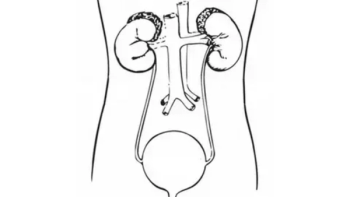
Neal Shore, MD, FACS, discussed findings from the SunRISe-4 trial of TAR-200 and cetrelimab in muscle-invasive bladder cancer.
Yelena Y. Janjigian, MD, discusses the standard approval of pembrolizumab plus trastuzumab and chemotherapy for the treatment of patients with HER2-positive gastric or gastroesophageal junction adenocarcinoma.

The impact of physical and nutritional rehabilitation post bone marrow transplant in patients with hematologic malignancies will be determined in the REBOOT trial.
A phase 3 trial plans to further assess neoadjuvant darovasertib for the potential treatment of patients with primary uveal melanoma.
Regina Barragan-Carrillo, MD, evaluates the current state of the global availability of clinical trials for patients with renal cell carcinoma.

The combination of relacorilant and nab-paclitaxel improved progression-free and overall survival in patients with platinum-resistant ovarian cancer.

The fourth cohort of an ongoing phase 1/2 has dosed its first patient with TTX-MC138 in advanced solid tumors.

Survivorship Care is highlighted, providing emotional, physical, and practical care for patients, along with other positive data to be aware of.

Marleen I. Meyers, MD, emphasizes prioritizing whole foods, particularly fruits and vegetables, over relying on supplements for patients with cancer.
Final phase 2a results showed that CAN-2409 led to a median overall survival of 24.5 months in immune checkpoint inhibitor–refractory patients with NSCLC.