
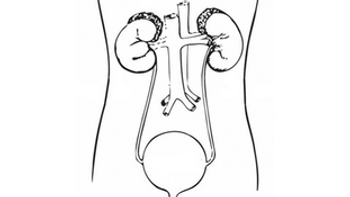
Treatment of unresponsive non–muscle-invasive bladder cancer with nadofaragene firadenovec showed a 66% chance of survival and cystectomy-free status at 60 months.

Treatment of unresponsive non–muscle-invasive bladder cancer with nadofaragene firadenovec showed a 66% chance of survival and cystectomy-free status at 60 months.

Forward steps are being made in HNSCC, and the first patient with MDS has been treated with iadademstat/azacitidine.
Marwan G. Fakih, MD, discusses the next steps for the clinical development of the balstilimab plus botensilimab in microsatellite stable metastatic colorectal cancer without liver metastases.

Paolo Ghia, MD, PhD, discusses the CAPTIVATE trial in chronic lymphocytic leukemia/small lymphocytic lymphoma, and what findings from the trial have been particularly noteworthy.

Immunotherapy advances in triple-negative breast cancer drive personalized treatments with immune checkpoint inhibitors, aiding subtype identification and new combination therapy developments.

The FDA cleared the investigational new drug application for MRANK-106, a dual WEE1/YES1 kinase inhibitor, targeting advanced solid tumors.
Hedy Lee Kindler, MD, explains the new treatment updates for patients with mesothelioma.

For Colorectal Cancer Awareness Month, Scott Kopetz, MD, PhD, FACP, discussed the BREAKWATER trial in metastatic BRAF V600E-mutated colorectal cancer.
The FDA granted orphan drug status to rhenium-186 obisbemeda for treating leptomeningeal metastases in lung cancer.

MATTERHORN is the first global phase 3 trial to show improved event-free survival with an immunotherapy combo vs standard care in this patient population.

Waystar's AI-powered AltitudeAI automates claim appeals, aiming to recover billions in denied payments and reduce healthcare administrative waste.

Joe Leach, MD, discusses some of the latest developments in incorporating immunotherapy into small cell lung cancer treatment regimens.

Andrea Ledford, PharmD, MBA, BCOP, BCSCP, FASHP, FHOPA, discussed a comprehensive pharmacy program presented at the 2025 ACCC Annual Meeting & Cancer Center Business Summit.
Given different scientific and clinical meeting schedules, considering advances in genitourinary oncology in novel therapies is relevant.
The “off-the-shelf” CAR T-cell therapy CTD402 will be evaluated in a phase 1b/2 trial for patients with T-cell acute lymphoblastic leukemia and lymphoma.

Nam Quoc Bui, MD, discusses survival, symptom control, and ovarian toxicity in the DeFi trial of nirogacestat in patients with desmoid tumors.

Co-hosts Kristie L. Kahl and Andrew Svonavec highlight the many advantages to attending the 42nd Annual Miami Breast Cancer Conference, with some additional tidbits to round out the main event.
Alfred L. Garfall, MD, discusses the phase 2 BMT CTN 1902 trial of idecabtagene vicleucel in patients with multiple myeloma.

The dose-escalation phase of the SECuRE trial in prostate cancer has completed and demonstrated promising safety and efficacy data.

Updated ASCO guidelines for pleural mesothelioma refine surgery use, recommend immunotherapy, genetic testing, and improve pathologic classification for personalized care.
The investigational immunotherapy bexmarilimab has been granted orphan drug designation from the FDA for patients with myelodysplastic syndromes.
A phase 1/2 trial is evaluating HLD-0915, a novel oral therapy, for metastatic castration-resistant prostate cancer in up to 80 patients.
Alfred L. Garfall, MD, emphasizes the critical importance of the National Institutes of Health funding for biomedical research.
Two denosumab biosimilars have gained FDA approvals across multiple indications.

Trastuzumab deruxtecan demonstrated a significant survival benefit in HER2-positive metastatic gastric cancer in the phase 3 DESTINY-Gastric04 trial.
Tislelizumab plus chemotherapy is now FDA-approved for metastatic esophageal squamous cell carcinoma with a tumor PD-L1 expression of 1 or higher.
Here is a look back on all the FDA happenings from the month of February 2025.

Alejandro Rios Hoyo discussed findings on a subset of hormone receptor–positive, HER2-negative breast cancers classified as MP-H2.

Uday R. Popat, MD, discusses the rationale behind evaluating itacitinib over other JAK inhibitors for graft-vs-host disease prophylaxis in a phase 2 study.

Palak Dave discusses the potential role of artificial intelligence in improving the accuracy of myelodysplastic syndromes diagnosis.