

Bladder Cancer
Latest News

Advertisement
Latest Videos
















































Advertisement
More News
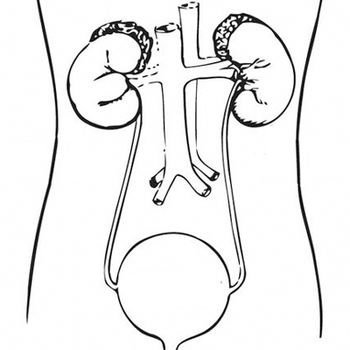
Arjun V. Balar, MD, reviewed the data from the KEYNOTE-057 and how they impact the treatment of urothelial cancer in an editorial note.
Dr Robert Dreicer reviews a case of advanced urothelial cancer and explains the patient’s eligibility for platinum-based chemotherapy followed by maintenance therapy with a checkpoint inhibitor.

The FDA has accepted a Biologics License Application for a new 4-week fixed-dose regimen containing durvalumab and granted it Priority Review for the approved indications of non–small cell lung cancer, as well as bladder cancer.
The immune checkpoint inhibitor pembrolizumab appeared well-tolerated with encouraging antitumor activity as treatment of patients with non-muscle invasive bladder cancer who are unresponsive to Bacillus Calmette-Guerin, according to the updated follow-up from the phase 2 KEYNOTE-057 clinical trial.
The combination of pembrolizumab plus nab-paclitaxel demonstrated clinically meaningful and sustainable responses, along with prolonged progression-free survival when administered as salvage therapy to patients with metastatic urothelial carcinoma.
“Accurately identifying patients with high-grade UTUC is critical, as the disease progression can be deadly and the standard treatment – removal of ureter and kidney – leads to major morbidity."

Matthew Galsky, MD, discusses the most recent data in patients with bladder cancer.
In an interview with Targeted Oncology, Petros Grivas, MD, PhD, discussed the findings from the phase 3 JAVELIN Bladder 100 study, which evaluated the addition of avelumab to best supportive care in patients with locally advanced, unresectable or metastatic urothelial cancer.

Results from the study, JAVELIN Bladder 100, demonstrated that in patients who have achieved stable disease or better after first-line platinum-based chemotherapy, maintenance avelumab significantly improved both progression-free survival and overall survival compared with best supportive care alone.


Petros Grivas, MD, PhD, discusses the JAVELIN Bladder 100 trial of maintenance avelumab plus best supportive care versus best supportive care alone after platinum-based first-line chemotherapy in patients with advanced urothelial carcinoma.
"While we are disappointed in these study results, Keytruda has been established as an important option in the treatment of metastatic bladder cancer, and we are committed to continuing our research to help more patients with this disease."
"Our data suggests similar activity of infigratinib in patients receiving it in the first-line setting versus subsequent lines for advanced urothelial carcinoma."
"Irrespective of the PD-L1 status, there were no trends in favor of atezolizumab in both arms."
"Avelumab first-line maintenance in patients whose disease has not progressed with platinum-based induction therapy is a new first-line standard of care for advanced urothelial carcinoma."

"These interim data demonstrate that primary chemoablation of low-grade intermediate-risk non–muscle invasive bladder cancer using UGN-102 results in a significant treatment response and encouraging durability."
"Intravesical nadofaragene firadenovec [recombinant adenovirus interferon alpha achieved a 53.4% CR rate in patients with BCG-unresponsive carcinoma in situ of the bladder."

The FDA has granted approval to mitomycin gel as treatment of adult patients with low grade upper track urothelial cancer.
A Biologics License Application for avelumab, a PD-L1 inhibitor, was submitted to the FDA for consideration as first-line treatment of patients with locally advanced or metastatic urothelial cancer and the agent was granted Breakthrough Therapy Designation, announced Merck KGaA, in a press release.<br />
Advertisement
Advertisement
Trending on Targeted Oncology - Immunotherapy, Biomarkers, and Cancer Pathways
1
Plinabulin Receives FDA Fast Track Designation in Post-ICI NSCLC
2
Denosumab Biosimilar Approved For Existing Oncology Indications
3
FDA Oncology Recap: Approvals, Designations, and Decisions in September 2026
4
Tile-Based Radiation Improves Local Control in Resected Brain Metastases
5