





BREAST CANCER
Latest News

December 11th 2014
By Silas Inman
Adding bevacizumab to standard neoadjuvant chemotherapy significantly improved pathologic complete response rates in women with basal-like breast cancer compared with non-basal-like subtypes. These results from the CALGB 40603 trial were presented at the 2014 San Antonio Breast Cancer Symposium.
Advertisement
Latest Videos































Advertisement
More News

Adding the investigational PI3K inhibitor pictilisib to fulvestrant in patients with metastatic breast cancer (MBC) yielded a doubling in progression-free survival (PFS) in women with both estrogen receptor (ER)– and progesterone receptor (PR)–positive disease.

Women with HER2-positive breast cancer and high levels of stromal tumor-infiltrating lymphocytes (S-TILs) treated with chemotherapy alone had an 80% lower likelihood of disease recurrence compared to those with lower TIL counts.
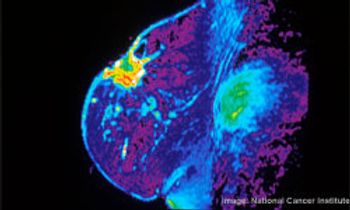
Frontline treatment with neratinib and paclitaxel demonstrated similar ORR and PFS as trastuzumab and paclitaxel while lowering the incidence of CNS metastases in patients with locally recurrent or metastatic HER2-positive breast cancer.

In May 2014, ASCO issued guidelines recommending the administration of adjuvant tamoxifen for 10 years in women with stage I-III hormone receptor (HR)-positive breast cancer, based on data from the collection of 5 clinical trials.

Characterized by the absence of cell surface receptors for estrogen, progesterone and epidermal growth factor, triple negative breast cancer (TNBC) presents a formidable treatment challenge.

The development of drug resistance in cancer cells presents a major obstacle to cancer treatments of all types, including small molecule inhibitors, monoclonal antibodies, and hormone therapy.

Sara Hurvitz, MD, medical oncologist, UCLA Medical Center, discusses future treatment options for triple-negative breast cancer (TNBC).

Recent data indicate a role for a pathway involved in controlling cell proliferation as a potential site for therapeutic intervention in breast cancer.

New research has identified a genetic variant that helps reduce the risk of breast cancer in some Latina patients by 40% to 80%.

Ruth M. O’Regan, MD, director, Translational Breast Cancer Research, professor, hematology and oncology, medical oncology, Winship Cancer Institute, Emory University, discusses the mechanism of action of trastuzumab.

A “nano-cocoon†DNA drug delivery vehicle may offer several advantages over other nanotechnology-based delivery systems, according to new research.

The FDA has expanded the approval of Lymphoseek (technetium Tc 99m tilmanocept) injection to include sentinel lymph node (SLN) detection for breast cancer and melanoma as well as lymphatic mapping in solid tumors.

Julie R. Gralow, MD, Seattle Cancer Care Alliance, Fred Hutchinson Cancer Care Center, University of Washington School of Medicine, discusses future research into bisphosphonates in breast cancer.
The FDA has assigned a priority review designation to palbociclib in combination with letrozole as a frontline treatment for postmenopausal patients with ER-positive, HER2-negative advanced breast cancer.

Jacques Raphael, MD, clinical fellow, Sunnybrook Odette Cancer Centre, discusses a study looking at the impact of Angelina Jolie’s decision and announcement to undergo a preventive double mastectomy.

Sandra M. Swain, MD, Medical Director of the Washington Cancer Institute at MedStar Washington Hospital Center, discusses results and key takeaways from the final overall survival (OS) analysis of the CLEOPATRA study.

Dual HER2 blockade with pertuzumab and trastuzumab plus chemotherapy for the treatment of HER2-positive metastatic breast cancer improved median overall survival (OS) by almost 16 months over standard first-line therapy.

Mary-Claire King, PhD, the researcher who identified BRCA1's linkage to hereditary breast and ovarian cancer, was announced as the winner of the 2014 Lasker~Koshland Special Achievement Award in Medical Science.

Therapies targeted to tumor biology hold the promise of improved outcomes for patients with breast cancer.

The combination of letrozole with either the CDK4/6 inhibitor LEE011 or the PI3 kinase Inhibitor BYL719 demonstrated clinical activity for women with ER-positive, HER2-negative breast cancer.

The poly (ADP-ribose) polymerase (PARP) inhibitor veliparib exhibits antitumor activity and is safe and tolerable on a continuous dosing schedule when used for the treatment of patients with BRCA-positive and BRCA-wild type tumors.

HER2 blockade may enhance the duration of response to fulvestrant, according to researchers from the University of Cincinnati College of Medicine.

A novel HER2-derived peptide (GP2) vaccine designed to stimulate CD8+ cytotoxic T-lymphocytes reduced the rate of breast cancer recurrence and proved safe and well tolerated in an adjuvant setting.

Hadeel Assad, MD, hematology/oncology fellow, Providence Hospital and Medical Center, discusses an analysis of the impact of breast cancer diagnosis on sexual dysfunction.

Clifford A. Hudis, MD, discusses obesity and menopausal status as determinants of procarcinogenic breast inflammation.
Advertisement
Advertisement
Trending on Targeted Oncology - Immunotherapy, Biomarkers, and Cancer Pathways
1
FDA Accepts NDA for Daraxonrasib in Metastatic Pancreatic Cancer
2
Advanced Renal Cell Carcinoma: Tailoring Second-Line Therapy After Prior Immunotherapy
3
FDA Approves Zidesamtinib for Previously Treated ROS1-Positive NSCLC
4
Teclistamab/Talquetamab Reduces Risk of Progression by 89% in R/R Multiple Myeloma
5