





BREAST CANCER
Latest News

Advertisement
Latest Videos

































Advertisement
More News
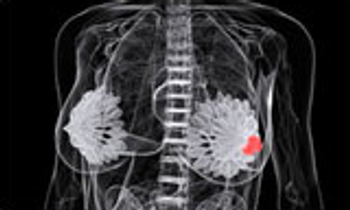
HER2-Negative Metastatic Breast Cancer

Treatment with lapatinib plus a taxane was associated with a shorter duration of progression-free survival compared with trastuzumab plus a taxane as a frontline therapy for patients with HER2-positive metastatic breast cancer.

The level of TILs identified at the time of diagnosis were found to be an independent prognostic marker for pathologic complete response and event-free survival in patients treated with neoadjuvant HER2-target therapy plus chemotherapy for HER2-positive early breast cancer.

Anne Marie McCarthy, PhD, research fellow, Massachusetts General Hospital, discusses a study that examined breast density, a risk that can help target breast cancer, in black women compared to white women.
Philip S. Rosenberg, PhD, senior investigator, Division of Cancer Epidemiology and Genetics, National Cancer Institute, discusses a study that examined patterns in breast cancer rates.

Despite their promise, checkpoint inhibitors are not effective in every patient, and research suggests the STING (stimulator of interferon genes) pathway may hold important clues as to why some tumors fail to respond.

The PD-L1 inhibitor MPDL3280A demonstrated a 19% objective response rate (ORR) with 75% of responses ongoing in pretreated patients with metastatic triple-negative breast cancer (TNBC).
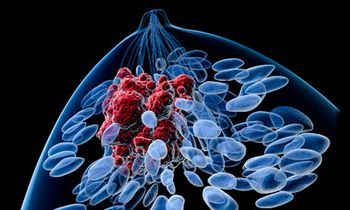
The PALOMA-3 trial examining a palbociclib regimen in HR+/HER2- breast cancer was halted after an independent panel determined it met the primary endpoint of improving progression-free survival (PFS).

Deanna J. Attai, MD, discusses the future of surgery and targeted therapies in the treatment of breast cancer.

Targeted therapy through the use of antibody drug conjugates holds great promise for the treatment of many malignancies, in particular, breast cancer.

First-line treatment with lapatinib (Tykerb) and a taxane failed to improve progression-free survival (PFS) versus trastuzumab (Herceptin) plus a taxane in patients with HER2-positive metastatic breast cancer, according to final results from the phase III MA.31 trial.

The FDA’s recent approval of the first PARP inhibitor, coupled with current research, suggests that this new class of targeted therapy has great potential to help not only patients with ovarian cancer for whom the agent is indicated but also individuals with breast cancer.

Heterogeneity, which can result in treatment resistance, is commonly underestimated and misunderstood, representing an important area of future research.

Jennifer H. Kuo, MD, director, Thyroid Biopsy Program, Columbia University, discusses a study looking at the incidence of thyroid cancer among breast cancer survivors.

While not appropriate for all patients with ER-positive breast cancer, neoadjuvant endocrine therapy could play an important role in select groups of women with comorbidities or those with ER-rich/luminal A disease.

Growth in healthcare spending in the United States continues to outpace growth in European countries that enjoy a similar standard of living.

Tumor genome profiling identifies driver mutations in breast tumors, however, it is still too early to use this information in clinical decision making, according to Hope S. Rugo, MD.

Poly (ADP-ribose) polymerase-1 (PARP-1) is a multifunctional, chromatin-regulating protein. PARP inhibitors are currently undergoing clinical trials as potential targeted therapies for the treatment of breast, uterine, colorectal, and ovarian cancer.

The oral androgen receptor inhibitor, enzalutamide, blocks several steps in the androgen receptor signaling pathway and prevents the entry of androgen receptor into the cell nucleus.

Patients with a history of breast cancer have a higher risk of developing thyroid cancer than do the general population, particularly if they receive adjuvant radiation therapy.

Clifford A. Hudis, MD, chief, Breast Medicine Service, Memorial Sloan Kettering Cancer Center, discusses dose-dense chemotherapy for the treatment of patients with breast cancer.

Moving early to diagnose and treat lymphedema after breast cancer treatment can reverse this side effect or prevent it from becoming severe.

Prudence Francis, MD, discusses the SOFT trial, which examined suppression of ovarian function, and the impact it could have on the future treatment of women under 35 with HR+ breast cancer.

Representatives Diana DeGette (D, Colorado) and Fred Upton (R, Michigan) recently released a "discussion draft" of the 21st Century Cures Act.

Acting two months ahead of its deadline, the FDA granted an accelerated approval to palbociclib (Ibrance) as a first-line treatment for patients with ER-positive metastatic breast cancer.
Advertisement
Advertisement
Trending on Targeted Oncology - Immunotherapy, Biomarkers, and Cancer Pathways
1
FDA Accepts NDA for Daraxonrasib in Metastatic Pancreatic Cancer
2
Advanced Renal Cell Carcinoma: Tailoring Second-Line Therapy After Prior Immunotherapy
3
FDA Approves Zidesamtinib for Previously Treated ROS1-Positive NSCLC
4
Teclistamab/Talquetamab Reduces Risk of Progression by 89% in R/R Multiple Myeloma
5