





GENOMIC TESTING
Latest News
Advertisement
Latest Videos















































Advertisement
More News

In many cases, prostate cancer grows slowly and causes few symptoms; thus, many men remain unaware that they have the disease.

During a retrospective study of 182 patients with nonresectable pancreatic cancer, a negative association was found between baseline circulating tumor (ct)DNA KRAS counts in plasma and overall survival (OS), which indicates that patients with lower KRAS burden in ctDNA survive longer.

The start of 2015 brought news from Novartis that it had signed an agreement with Intellia Therapeutics and Caribou Biosciences to license its proprietary CRISPR/Cas9 gene editing platform to develop novel treatments for chronic genetic-based diseases.

Langerhans cell histiocytosis (LCH) and Erdheim-Chester disease (ECD) are characterized by a high frequency of BRAFV600E mutations, which are responsive to treatment with BRAF inhibitors such as vemurafenib.
Adam Bass, MD, assistant professor, Harvard Medical School, Dana-Farber Cancer Institute, provides an overview of the four subtypes of gastric cancer identified in a recent study.

A 12-gene test for breast cancer recurrence after ductal carcinoma in situ (DCIS) distinguished high- and intermediate- risk patients from those with a low risk. These results were presented at the 2014 San Antonio Breast Cancer Symposium.

A 25-gene hereditary cancer panel can increase the identification of deleterious mutations by almost 70%, over testing for hereditary breast and ovarian cancer (HBOC) or Lynch syndrome alone.

Marcia S. Brose, MD, PhD, assistant professor, Abramson Cancer Center at the University of Pennsylvania, discusses next-generation sequencing in thyroid cancer.

Knowledge of genetic expression of melanocytic lesions significantly reduced the number of indeterminate diagnoses made by dermatopathologists.

Suresh S. Ramalingam, MD, discussed the potential of veliparib as a treatment for patients with squamous cell NSCLC in an interview with Targeted Oncology.

As with many cancers, early detection (before the onset of symptoms) offers the possibility for less expensive treatment and better outcomes in patients with non-small cell lung cancer (NSCLC).

A key to improved outcomes for patients with non-small cell lung cancer (NSCLC) is the ability to identify the wide spectrum of genetic changes present in tumors. Doing so will guide treatment decisions and influence the development of much-needed additional targeted therapies.
The development of drug resistance in cancer cells presents a major obstacle to cancer treatments of all types, including small molecule inhibitors, monoclonal antibodies, and hormone therapy.

New research has identified a genetic variant that helps reduce the risk of breast cancer in some Latina patients by 40% to 80%.

A “nano-cocoon†DNA drug delivery vehicle may offer several advantages over other nanotechnology-based delivery systems, according to new research.

David S. Klimstra, MD, discusses the impact of tumor heterogeneity during disease progression. This was the topic of a talk given by Oliver G. McDonald, MD, PhD, at the 2014 NANETS Symposium.
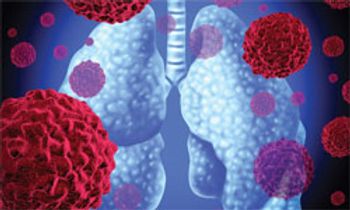
Therapeutic options available for the treatment of metastatic non-small cell lung cancer (NSCLC) include cytotoxic chemotherapies and targeted therapies.

Jacques Raphael, MD, clinical fellow, Sunnybrook Odette Cancer Centre, discusses a study looking at the impact of Angelina Jolie’s decision and announcement to undergo a preventive double mastectomy.

Sameek Roychowdhury, MD, PhD, from OSUCCC – James, discusses the benefit of a precision cancer medicine clinic.
Maurie Markman, MD, discusses the role of molecular testing in gynecologic cancers.

Unlike many other types of tumors, melanoma can be detected early in its progression by visual, noninvasive methods.

The poly (ADP-ribose) polymerase (PARP) inhibitor veliparib exhibits antitumor activity and is safe and tolerable on a continuous dosing schedule when used for the treatment of patients with BRCA-positive and BRCA-wild type tumors.

Andrew R. Allen, BM, BCh, MA, MRCP, PhD, Executive Vice President of Clinical and Pre-Clinical Development, Chief Medical Officer, Co-Founder, Clovis Oncology, discusses how patients are selected for treatment with CO-1686.

A series of papers have been published in the journal Nature in which researchers conducted detailed comparisons of the worm, fly, and human genomes using data from the ENCODE and modENCODE projects.
Johanna Bendell, MD, director of GI Cancer Research Program, associate director, Drug Development Program, Sarah Cannon Research Institute, discusses the importance of testing CRC patients for BRAF status.
Advertisement
Advertisement
Trending on Targeted Oncology - Immunotherapy, Biomarkers, and Cancer Pathways
1
FDA Oncology Recap: Approvals, Designations, and Decisions in September 2026
2
Plinabulin Receives FDA Fast Track Designation in Post-ICI NSCLC
3
Denosumab Biosimilar Approved For Existing Oncology Indications
4
CEPHEUS and Frontline Treatment in Newly Diagnosed Multiple Myeloma
5