

HEMATOLOGY
Latest News
Advertisement
Latest Videos



CME Content






































Advertisement
More News
It may be possible for hematologists to determine subtypes of acute myeloid leukemia based on genetic analsysis of blood samples in 7 days or less. According to Amy Burd, PhD, this process could play an important role in diagnosing and treating patients.
Pembrolizumab in combination with umbralisib and ublituximab induced responses in 90% of patients with relapsed/refractory chronic lymphocytic leukemia, according to data from a phase I/II study presented at the 2018 ASH Annual Meeting. Additionally, a 50% response rate was also demonstrated in patients with Richter’s transformation.
After 7 years of follow-up, single-agent ibrutinib demonstrated continued efficacy in the frontline and heavily pretreated, relapsed/refractory settings for patients with chronic lymphocytic leukemia and small lymphocytic lymphoma.
Lisocabtagene maraleucel induced an 81.3% best overall response rate and 43.8% complete response in high-risk patients with chronic lymphocytic leukemia who were heavily pretreated and had previously received ibrutinib, according to dose-finding results presented at the 2018 ASH Annual Meeting.
According to results from a small clinical study, checkpoint inhibitors in combination with chimeric antigen receptor T-cell therapy showed promise for improving CAR T-cell persistance in some patients with relapsed B-cell acute lymphoblastic leukemia. <br />
Patients with acute lymphoblastic leukemia saw a reduction in the risk for recurrence after receiving a stem cell transplant for the first time following treatment with CD19 chimeric antigen receptor T-cell therapy.
According to a retrospective phase I/II study, over 80% of patients with relapsed or refractory chronic lymphocytic leukemia responded to concurrent treatment with ibrutinib and the CD19-targeted chimeric antigen receptor CAR T-cell therapy, JCAR014.<sup>1</sup> Findings from this study were presented at the 60th American Society of Hematology Annual Meeting.
According to findings from the FLYER trial presented at the 2018 ASH Annual Meeting, treatment with 2 fewer frontline cycles of R-CHOP greatly reduced toxicity in younger patients with low-risk diffuse large B-cell lymphoma. The progression-free survival rates were also similar between the 2 arms.
The need for frequent red blood cell transfusions was reduced with luspatercept in nearly 53% of patients with anemia associated with low- to intermediate-risk myelodysplastic syndrome.
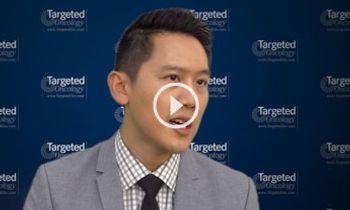
Victor Chow, MD, senior hematology-oncology fellow, University of Washington, Fred Hutchinson Cancer Research Center, Seattle Cancer Care Alliance, discusses a retrospective study assessing outcomes of patients with large B-cell lymphomas and progressive disease following CD19-Specific CAR T-cell therapy during the 2018 ASH Annual Meeting.
After a median of 19 months of follow-up, durable objective response rates were sustained with tisagenlecleucel in patients with relapsed or refractory diffuse large B-cell lymphoma. These updated findings from the phase II JULIET study were presented at the 2018 ASH Annual Meeting.
According to updated data from the phase II ELIANA study, CD19-targeted CAR T-cell therapy tisagenlecleucel as treatment of pediatric and young adult patients with relapsed or refractory acute lymphoblastic leukemia sustained rates of relapse-free survival and overall survival at 24 and 18 months.
Progression-free survival was significantly improved with both ibrutinib as monotherapy and in combination with rituximab when compared to bendamustine plus rituximab as a treatment for older patients with newly diagnosed chronic lymphocytic leukemia. These data were presented at the 2018 ASH Annual Meeting.

Gilteritinib has been approved by the FDA for the treatment of adult patients with <em>FLT3</em> mutation–positive relapsed or refractory acute myeloid leukemia.
The FDA has granted approval to the rituximab (Rituxan) biosimilar, CT-P10 (Truxima; rituximab-abbs), for the treatment of adult patients with CD20-positive, B-cell non-Hodgkin lymphoma (NHL) as a single agent or in combination with chemotherapy, making it the first biosimilar approved by the FDA for the treatment of patients with NHL.

In an interview with <em>Targeted Oncology</em>, Charalambos Andreadis, MD, MSCE, discussed the use of CAR T-cell therapy in patients with DLBCL, as well as the toxicities associated with each product. He also highlights other promising therapies in the treatment landscape.
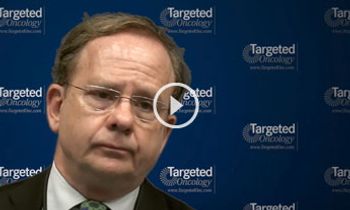
Andre Goy, MD, chairman and director, chief of lymphoma, and director of clinical and translational cancer research at John Theurer Cancer Center, discusses data from the RELEVANCE trial, which randomized patients with follicular lymphoma in need of therapy to receive either rituximab plus lenalidomide or a physician’s choice of bendamustine and rituximab plus CHOP or R-CHOP.
A new drug application for quizartinib has been granted a priority review by the FDA for the treatment of adult patients with relapsed/refractory <em>FLT3</em>-ITD–positive acute myeloid leukemia. The designation is based on findings from the phase III QuANTUM-R study.
Glasdegib (Daurismo) has been granted FDA approval for combination use with low-dose cytarabine for the treatment of patients with newly-diagnosed acute myeloid leukemia who are aged 75 years or older or who are ineligible for intensive chemotherapy.
Venetoclax (Venclexta) has been granted an accelerated approval by the FDA for combined use with azacitidine or decitabine or low-dose cytarabine as a treatment for adult patients with newly-diagnosed acute myeloid leukemia who are aged 75 years or older, or who have comorbidities that preclude use of intensive induction chemotherapy.
<br /> Mary-Beth Percival, MD, discusses the ongoing development of FLT3 inhibitors and other current research in patients with AML.
Mutations in 8 high-risk genes are associated with an acute myeloid leukemia (AML) diagnosis, according to a deep sequencing analysis. Hetty Carraway, MD, said that these findings lay the ground work for upcoming research on early detection and novel treatment strategies.
Patients with acute myeloid leukemia now have more treatment options available than ever, due to some major changes to the field over the last year. With 2 drugs already approved for patients with <em>IDH</em> mutations and 4 new drugs expected to receive approval in the next year, it is a more hopeful time than ever for this patient population.

Ajai Chari, MD, discusses the rationale for using combination therapy in patients with multiple myeloma.
Alexander E. Perl, MD, discusses the use of antibody-drug conjugates in acute myeloid leukemia. Gemtuzumab ozogamicin has already been approved for this patient population.
Advertisement
Advertisement
Trending on Targeted Oncology - Immunotherapy, Biomarkers, and Cancer Pathways
1
Subcostal Robotic Surgery Cuts Thoracic Pain
2
David DiBardino, MD, on the Rationale for Intratumoral Therapy in Lung Cancer
3
Four Approvals Reflect Growth in Hormone-Sensitive Prostate Cancer Treatment
4
FDA Grants Final Approval to Cabozantinib Capsule Formulation
5