

LUNG CANCER
Latest News
Advertisement
Latest Videos





































Advertisement
More News
According to findings from the phase III IMpower132 study, the addition of atezolizumab to pemetrexed and cisplatin or carboplatin reduced the risk of disease progression or death compared with chemotherapy alone in patients with advanced nonsquamous non–small cell lung cancer.

Alexander Drilon, MD, discusses the data currently available with targeting gene fusions, and shares insight into what is on the horizon in this area.


Clinical Management of NSCLC With Bone Metastases



Managing Metastatic NSCLC With Rapid Progression
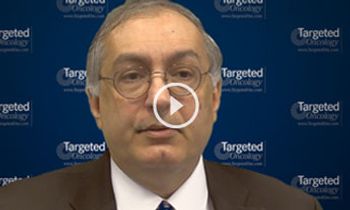
Wafik El-Deiry, MD, PhD, FACP, deputy cancer center director, Translational Research Program, co-leader, Molecular Therapeutics Program, professor, Department Hematology/Oncology, Fox Chase Cancer Center, discusses updates in the use of liquid biopsies for multiple tumor types during the 2018 ASCO Annual Meeting.




Advertisement
Advertisement
Trending on Targeted Oncology - Immunotherapy, Biomarkers, and Cancer Pathways
1
SOT106 Receives New FDA FTD and ODD in Sarcoma
2
IMS 2026 Day 4 Recap: MRD-Guided Regimens Highlight Final Sessions
3
Iberdomide Doubles MRD-Negative CR Rate in Phase 3 EXCALIBER-RRMM Trial
4
IMS 2026 Day 3 Recap: Etentamig Outperforms Standard Therapy in RRMM Trial
5