



LYMPHOMAS
Latest News

Advertisement
Latest Videos


CME Content





























Advertisement
More News
An extended progression-free survival and 54% reduction in the risk of death was shown with high-dose chemotherapy autologous stem cell transplantation consolidation therapy vs non-myeloablative chemoimmunotherapy in patients with primary central nervous system lymphoma.

Phase 2 study results show the durability of response associated with mosunetuzumab in patients with relapsed or refractory follicular lymphoma.
The phase 2 ELARA trial achieved durable responses in patients with relapsed/refractory follicular lymphoma who were treated with tisagenlecleucel.
In the phase 3 TRANSFORM study, lisocabtagene maraleucel bested standard of care as treatment of patients with high-risk relapsed/refractory large B-cell lymphoma.
The use of iberdomide alone or with anti-CD20 antibodies show efficacy in patients with relapsed or refractory lymphoma.
MAGNOLIA study results demonstrated that zanubrutinib maintained response in patients with relapsed/refractory marginal zone lymphoma.
Five-year follow up results from the phase 3 AUGMENT trial show that lenalidomide plus rituximab produced enhanced progression-free survival in patients with relapsed/refractory indolent non-Hodgkin lymphoma.

In an interview with Targeted Oncology, David J. Straus, MD, discussed the newest data of the ECHELON-1 trial which he presented at the National Comprehensive Cancer Network 2022 Annual Congress: Hematologic Malignancies.
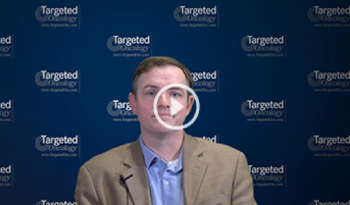
Jason Westin, MD, MS, FACP, discusses recent developments in novel agents to treat and target aggressive lymphomas.

The FDA will conduct a regular review of the application submitted for approval of I/ONTAK in patients with persistent or recurrent cutaneous T-cell lymphoma.
The allogeneic CAR T-cell therapy CB-010 received regenerative medicine advanced therapy and Fast Track designations for the treatment of patients with B-cell non-Hodgkin lymphoma.

In an interview with Targeted Oncology, Chelsea C. Pinnix discussed the results of a phase 2 study and how these promising results will shift the treatment paradigm of patients with orbital indolent B-cell lymphoma.
In an interview with Targeted Oncology, Michael T. Tees, MD, discussed the donor-derived CAR T-cell product, ALLO-501A, and research supporting the agent.
Based on positive findings from the phase 2 pivotal EPCORE NHL-1, the FDA will conduct a speedy review of the biologics license application for subcutaneous epcoritamab for the treatment of patients with relapsed/refractory large B-cell lymphoma after 2 or more lines of systemic therapy an granted it priority review.

Based on results from the phase 3 AHOD1331 trial, the FDA has approved brentuximab vedotin in combination with doxorubicin, vincristine, etoposide, prednisone, and cyclophosphamide in pediatric patients with high-risk classical Hodgkin lymphoma.
The FDA has advised ADC Therapeutics that a randomized phase 3 confirmatory study is needed to support a future FDA approval for camidanlumab tesirine as treatment of relapsed or refractory Hodgkin lymphoma.
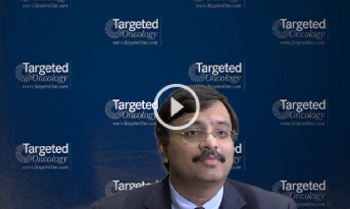
Nitin Jain, MD, discusses clinical trials investigating allogeneic chimeric antigen receptor T-cell therapy for B-cell acute lymphoblastic leukemia and other hematologic malignancies.
Positive efficacy and safety results from the phase 3 EPCORE™ NHL-1 trial have lead to an FDA application for approval of epcoritamab to treat relapsed or refractory large B-cell lymphoma.
At the NCCN Annual Congress:Hematologic Malignancies, David J. Straus, MD debated if this was the best course of action for treating Hodgkin lymphoma.

A multicenter trial of the CAR T-cell product MB-106 has treated its first patient, Mustang Bio, Inc announced.
During a case-based rountable event, Jasmine Zain, MD of City of Hope, discussed the case of a 79-year-old patients with relapsed or refractory diffuse large B-cell lymphoma.
Future directions for follicular lymphoma treatments include potential use earlier in treatment or as combination therapy, identifying patients who will benefit most from treatment, and minimizing the costs of therapy while maximizing accessibility.
Results from the phase 3 Study 302 of denileukin diftitoc in patients with persistent of recurrent cutaneous T-cell lymphoma led to the submission of a biologics license application for the drug.
The bispecific antibodies for B-cell lymphoma that are under development target CD20, and they have a second receptor that targets CD3, which is present on vector T cells, according to Loretta J. Nastoupil, MD.

Research now is addressing how subsequent therapies can meet needs of patients with Hodgkin lymphoma who progress after early lines of treatment.
Advertisement
Advertisement
Trending on Targeted Oncology - Immunotherapy, Biomarkers, and Cancer Pathways
1
NCCN Survey Finds Persistent Cancer Drug Shortages Across US Centers
2
Risk-Adapted Quadruplet Therapy Sustains 5-Year Survival Benefit in High-Risk Myeloma
3
FDA Grants Final Approval to Cabozantinib Capsule Formulation
4
Subcostal Robotic Surgery Cuts Thoracic Pain
5