



SKIN CANCERS
Latest News

Advertisement
Latest Videos















































Advertisement
More News

Jeffrey S. Weber, MD, PhD, deputy director, Laura and Isaac Perlmutter Cancer Center, co-director of its Melanoma Program, head of Experimental Therapeutics, NYU Langone Medical Center, discusses keys to targeted therapies for melanoma. These keys lie in BRAF and MEK inhibitors and combining those drugs with immunologic therapies.

Investigators of a new phase II study reported that favorable-risk oropharyngeal squamous cell carcinoma testing positive for human papillomavirus or p16 can be treated successfully using substantially decreased chemoradiotherapy doses.
Jedd D. Wolchok, MD, PhD, chief of the Melanoma and Immunotherapeutics Service at Memorial Sloan Kettering Cancer Center in New York City, talks about the phase III CheckMate 067 trial.

Jason J. Luke, MD, FACP, assistant professor of medicine, The University of Chicago, discusses the international MSLT-II trial, which looks at the possibility of less surgery for melanoma patients in the future.

Pamela Kunz, MD, assistant professor, Division of Oncology, Stanford University School of Medicine, talks about the findings of the phase II study of everolimus plus bevacizumab in pNETs, as well as bevacizumab in progressive pNETS.
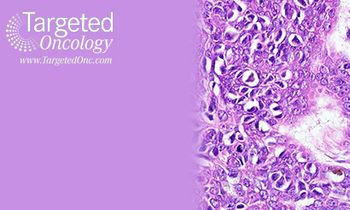
Although single-target inhibitors and have demonstrated significant clinical benefit, the toxicities are not limited to cancer cells alone and associated toxicities and adverse events are often observed.

The Weizmann Institute of Science recently revealed a new gene belonging to the tumor suppressor gene group, RASA2, which is driving a particular deadly subset of melanomas for patients with dysfunctioning RAS pathways.

A paper recently published online by a group at the University of Michigan details a mechanism by which epigenetic modulation can increase the number of tumor infiltrating CD8+ T cells and could potentially lead to increased immunotherapy response.

Ipilimumab (Yervoy) in melanoma has been approved to include adjuvant treatment of patients with stage III melanoma who are at high risk of recurrence following complete resection by the FDA.

A Q&A with Keith T. Flaherty, MD.

Approval for first-in-class oncolytic immunotherapy talimogene laherparepvec (T-VEC; Imlygic) has come down from the FDA based on the results from the phase III OPTiM study.
Pro-inflammatory cytokines were elevated in patients with melanoma undergoing the combination treatment of radiation therapy and the systemic anti�CTLA-4 immunotherapy, ipilimumab.

The combination of nivolumab and ipilimumab has received accelerated FDA approval as a treatment for patients with BRAF V600 wild-type unresectable or metastatic melanoma.

Talimogene laherparepvec (T-VEC), an attenuated oncolytic virus, combined with pembrolizumab, an immune checkpoint inhibitor, passed an early safety evaluation for unresectable melanoma.

Two strategies of successive immunotherapy for the treatment of advanced melanoma recently showed similar safety and tolerability, yet substantially different efficacy.

Provectus Biopharmaceuticals, Inc recently announced it has completed development of its protocol for phase Ib/II testing in patients with stage IV melanoma.

A preclinical study using mouse and human melanoma cell lines published in a September, 2015, issue of Cell, outlines mechanisms by which melanoma can evade the immune system.

Malignant melanoma is one of the most common primary tumors to spread to the brain.

Dabrafenib (Tafinlar), in combination with trametinib (Mekinist), improved overall survival (OS) by 7.6 months, compared to the single-agent vemurafenib (Zelboraf) in patients who have unresectable or metastatic BRAFV600E/K-mutant melanoma.

Hendrik-Tobias Arkenau, MD, PhD, executive medical director, Drug Development Unit, Sarah Cannon Research Institute-United Kingdom, discusses the future of immunotherapy in melanoma.

Frequency of the cell death-regulating protein Bim (BCL-2-interacting mediator of cell death) may predict patient response to PD-1 inhibitor immunotherapy.

Sonidegib (Odomzo) was approved by the EC for the treatment of patients who have locally advanced basal cell carcinoma (laBCC) and are not amenable to curative surgery or radiation therapy.
A recent study published in the Journal of Investigative Dermatology has helped to confirm the correlation between transplantation and increased risk of melanoma.1-3

It is well known that having multiple moles (ie, >50) is a risk factor for developing melanoma. A new study shows, however, that melanoma can also develop in people with fewer than 50 moles, and when it does, it typically has a more aggressive course.

Former US President Jimmy Carter announced that melanoma was found on four different spots of his brain, as well as on his liver.
Advertisement
Advertisement
Trending on Targeted Oncology - Immunotherapy, Biomarkers, and Cancer Pathways
1
Plinabulin Receives FDA Fast Track Designation in Post-ICI NSCLC
2
FDA Oncology Recap: Approvals, Designations, and Decisions in September 2026
3
Denosumab Biosimilar Approved For Existing Oncology Indications
4
CEPHEUS and Frontline Treatment in Newly Diagnosed Multiple Myeloma
5