



THYROID CANCERS
Latest News
Advertisement
Latest Videos










































Advertisement
More News
William Cance, MD, has recently joined the University of Arizona Cancer Center (UACC) as Deputy Director.
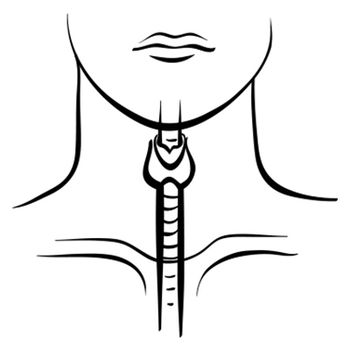
Targeting NTRK fusions is a new treatment option being explored for patients with papillary thyroid cancer.
Pembrolizumab (Keytruda) demonstrated promising antitumor activity with durable responses in patients with advanced thyroid cancer, according to results from the KEYNOTE-028 trial presented at the 2016 ASCO Annual Meeting. The overall response rate (ORR) with the PD-1 inhibitor was 9.1%, which included 2 partial responses (PR).
Infusion with 19-28z chimeric antigen receptor (CAR) modified T-cells led to complete response (CR) rates of 77% to 90% and minimal residual disease (MRD)-CR rates of 68% to 70% in adult patients with relapsed or refractory B-cell acute lymphocytic leukemia (B-ALL).
Neratinib, an experimental TKI being developed for breast cancer, achieved a 36% clinical benefit rate in a phase II trial, according to a poster presented June 5, 2016 at the ASCO Annual Meeting in Chicago.
In recent years, significant advancements have been made in the field of thyroid cancer.

Sue Naeyaert, senior director of Biosimilars Policy, EMD Serono, discusses the long-term impact that biosimilars could potentially have on the field of oncology.
The multikinase inhibitor lenvatinib (Lenvima) has quickly become the frontline standard of care for patients with progressive, radioactive iodine (RAI)-refractory differentiated thyroid cancer (DTC), just one year following its initial approval, according to Renato Martins, MD.
Bible says most oncologists would consider lenvatinib as a first-line therapy for patients who require systemic therapy where there are not suitable, focal palliative options.
Cabanillas says her and her team set a goal of reducing the time between when they are contacted about a patient with anaplastic thyroid cancer, and when the patient is given an appointment time, to fewer than 5 business days.

We present a case of a 49-year-old woman with a pT4aN1B papillary thyroid cancer who underwent radical thyroidectomy with bilateral neck dissection and RAI I-131 ablation, but poorly tolerated TSH suppression therapy due to tachycardia. Rising thyroglobulin levels and lymph node mapping showed recurrent/progressive disease in the thyroid bed.

Randolph says pre-operative loss of voice tracks "robustly" with invasive thyroid cancer, and being aware of this issue before surgery helps surgeons better treat their patients.
Anaplastic thyroid cancer is an extremely aggressive form of cancer that cannot be cured by surgery and has a median survival of about 6 months. The malignancy normally occurs in patients over the age of 60, and there is not a standard of care, according to John A. Copland III, PhD, professor, Cancer Biology, Mayo Clinic.

Asa says one of the most common mutations in subtypes of thyroid cancer is the BRAF mutation. She adds that while the mutation is common, a good number of patients do not respond to BRAF-targeted therapies, hinting that these subtypes are more complex than previously thought.
Muller says if this common antigen does exist, an immune therapy could hypothetically be developed to combat it and essentially combat both breast and thyroid cancer.

Dadu says immunotherapies could afford patients with thyroid cancer an elongated progression free survival, potentially less toxicities, and most importantly an extensive overall survival benefit.

Patients who elect to undergo immediate surgery for low-risk thyroid-related microcarcinoma may be subjecting themselves to unnecessary risk, according to findings from a large study in Japan.

The presence or absence of certain serum-free fatty acids could be an excellent diagnostic tool to differentiate between patients with either benign thyroid diseases or thyroid cancer.

Danae Delivanis, MD, endocrinologist, Mayo Clinic, on the use of pembrolizumab and nivolumab in the treatment of metastatic melanoma.

A research team from Michigan Technological University recently discovered two major biomarkers used in the detection of thyroid cancer may be inaccurate in diagnosing the disease.

R. Michael Tuttle, MD, professor of Medicine, Memorial Sloan Kettering Cancer Center, talks about the new horizons for radioactive iodine treatment in thyroid cancer.
The kinase inhibitors sorafenib (Nexavar) and lenvatinib (Lenvima) have significantly altered the treatment paradigm for patients with advanced radioactive iodine (RAI)-refractory differentiated thyroid cancer in both older and younger populations, with combination strategies hoping to further build upon this success.
Paul Walfish, MD, professor emeritus at the University of Toronto School of Medicine, senior consult Mount Sinai Hospital discusses programmed death ligand 1 (PD-1) expression in aggressive metastatic papillary thyroid cancer.

A Japanese research team attempted to standardize therapy for anaplastic thyroid carcinoma by assessing the feasibility and efficacy of weekly paclitaxel administration.

A comprehensive review of patients receiving pembrolizumab has found an incidence of abnormal thyroid function tests as high as 15%.
Advertisement
Advertisement
Trending on Targeted Oncology - Immunotherapy, Biomarkers, and Cancer Pathways
1
Anito-Cel Delivers Durable Responses With Low Neurotoxicity in RRMM
2
Risk, Histology, and Metastatic Site Guide First-Line RCC Treatment Choices
3
FDA Application Withdrawn for I-DXd in Small Cell Lung Cancer
4
Frontline CAR T and Bispecific Antibodies Are the Next Frontier in Myeloma
5