
Jeffrey Wong, MD, discusses findings on the use of Cu 64 anti-CEA M5A as a PET imaging agent for advanced rectal cancer presented at the 2024 American Society for Radiation Oncology Annual Meeting.

Jeffrey Wong, MD, discusses findings on the use of Cu 64 anti-CEA M5A as a PET imaging agent for advanced rectal cancer presented at the 2024 American Society for Radiation Oncology Annual Meeting.

Belantamab mafodotin plus pomalidomide and dexamethasone showed significant progression-free survival benefits and maintained quality of life in patients with relapsed/refractory multiple myeloma, as demonstrated in the DREAMM-8 trial.

In an interview with Targeted Oncology, Jeffrey Wong, MD, discussed the potential and future directions of Cu 64 anti-CEA M5A as a PET imaging agent for advanced rectal cancer.
A single infusion of the autologous GPRC5D-targeted CAR T-cell therapy BMS-986393 led to high response rates in patients with relapsed/refractory multiple myeloma who received between 1 and 3 prior lines of therapy.
A real-world analysis of cilta-cel in patients with relapsed/refractory multiple myeloma showed deep and durable responses, with a safety profile consistent with clinical trial data.
A new study found that adding daratumumab to lenalidomide, bortezomib, and dexamethasone significantly improved outcomes for older patients with newly diagnosed multiple myeloma.

In an interview, Jeffrey Wong, MD, and Anthony Stein, MD, provided an in-depth discussion on a phase 2 trial of total marrow and lymphoid irradiation with cyclophosphamide and etoposide in high-risk acute leukemia.
A new combination therapy involving sonrotoclax and dexamethasone demonstrated safety, antitumor activity, and early responses in heavily pretreated patients with relapsed/refractory multiple myeloma harboring t(11:14).
A novel, all-oral combination regimen of mezigdomide, tazemetostat, and dexamethasone demonstrated early signals of activity and a tolerable safety profile in patients with highly refractory multiple myeloma.

Toni Choueiri, MD, discusses the rationale behind the drug combination of tivozanib and nivolumab in the TiNivo-2 study.
A new combination therapy involving belantamab mafodotin, carfilzomib, lenalidomide, and dexamethasone showed promising results in patients with multiple myeloma who had received 1 prior line of therapy.

Savita Dandapani, MD, PhD, discussed combining radium-223 and SBRT for metastatic castration-sensitive prostate cancer.
A new allogeneic CAR T-cell therapy, P-BCMA-ALLO1, has shown promising results in treating heavily pretreated patients with relapsed/refractory multiple myeloma.
The CARTITUDE-4 study found that cilta-cel reduced the risk of death by 45% compared to standard of care in patients with multiple myeloma.

Chunhui Han, PhD, discusses what biology-guided radiotherapy is and how it differs from traditional radiotherapy techniques.

Ashraf Z. Badros, MB, ChB, discusses the key takeaways from the phase 3 AURIGA trial.
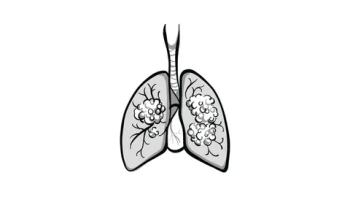
Percy Lee, MD, discussed findings from a trial evaluating a hypofractionated approach to concurrent chemoradiation, incorporating an adaptive stereotactic ablative radiotherapy boost in non–small cell lung cancer.
A study found that anito-cel is a promising CAR T-cell therapy for relapsed/refractory multiple myeloma with high efficacy and manageable safety.
A new CAR T-cell therapy, durcabtagene autoleucel, showed promising results in treating relapsed/refractory multiple myeloma with high response rates and manageable adverse effects.
In an interview with Targeted Oncology, Chunhui Han, PhD, discussed the use of Ga 68 PSMA-11 for the imaging of metastatic sites in patients with prostate cancer.
Daratumumab plus VRd is a more effective frontline treatment option for patients who cannot undergo immediate transplant, offering a promising approach to deeper disease response.
Maintenance therapy with daratumumab and lenalidomide led to higher MRD-negative conversion rates compared to lenalidomide alone in newly diagnosed multiple myeloma patients following transplant.
Isa-KRd showed deep responses, high MRD negativity rates, and manageable safety in patients with newly diagnosed, transplant-eligible multiple myeloma, as per interim analysis of the IFM2020-02 MIDAS study.
In TRIMM-2, an overall response rate of 82% was seen amon patients given talquetamab plus daratumumab and pomalidomide in patients with relapsed/refractory multiple myeloma.
Binod Dhakal, MD, MS, discusses some of the challenges often seen in the myeloma space, particularly those with lenalidomide-refractory multiple myeloma.
A new drug combination, talquetamab and teclistamab, shows promising results in treating patients with heavily pretreated multiple myeloma, with high response rates and durable responses.
Saad Z. Usmani, MD, MBA, FACP, FASCO, discusses the phase 3 CEPHEUS trial of daratumumab with bortezomib, lenalidomide, and dexamethasone in patients with newly diagnosed multiple myeloma.

Nancy Lin, MD, discusses the efficacy of T-DXd for brain metastases as seen in DESTINYBreast-12 compared with other agents.
Sun Gwe Ahn, MD, discusses an exploratory analysis of the HERA trial at the 2024 ESMO Congress.