

In patients who were administered nivolumab in conjunction with chemotherapy, there were enhancements observed in both overall survival and progression-free survival compared to those who received chemotherapy alone.

In patients who were administered nivolumab in conjunction with chemotherapy, there were enhancements observed in both overall survival and progression-free survival compared to those who received chemotherapy alone.

Matthew J. Frigault, MD, MS, discussed follow-up data on the efficacy and safety of CART-ddBCMA for the treatment of patients with relapsed/refractory multiple myeloma, particularly in later-line settings.
Matthew J. Frigault, MD, MS, discussed what a community oncologist should know about the ongoing FDA investigation of chimeric antigen receptor T-cell therapies.
Findings from an observational investigation revealed that the combination of nivolumab and chemotherapy contributed to improve survival in individuals diagnosed with advanced gastrointestinal cancers.
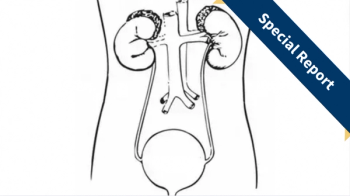
Francesca Jackson-Spence, PhD, and Matthew Young, MD, delved into the major advances in genitourinary cancer treatment, including breakthroughs in immunotherapy, targeted therapies, and early detection that offer new hope for patients.

In an interview with Targeted Oncology, Jon E. Arnason, MD, discussed an analysis looking at circulating tumor DNA among patients with follicular lymphoma and diffuse large B-cell lymphoma from the ELM-2 trial.
The tumor treating fields device has been given premarket approval in combination with standard therapies for the treatment of platinum-resistant non–small cell lung cancer.
Following clearance from the FDA, Hoth Therapeutics is carrying out a clinical trial as part of its open investigational new drug program for HT-001 in cancers undergoing toxicities from EGFR inhibition.

The latest advances regarding local and systemic regulatory mechanisms of immune responses in cold and hot tumors will be an important topic explored during the 9th Annual School of Gastrointestinal Oncology.

In an interview with Targeted Oncology, Naomi Dempsey, MD, provided insight into the benefits of endocrine therapy in patients with breast cancer and the implications of findings from this research.
David J. Andorsky, MD, discussed real-world findings from a study which evaluated BTK inhibitors in adult patients with chronic lymphocytic leukemia or small lymphocytic lymphoma.
The DermaSensor device is a noninvasive tool that can diagnose skin cancer, including the 3 most common types, right at the point of testing.
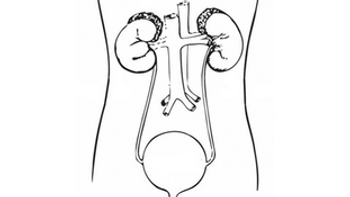
Three-year data showed durable clinical activity with nadofaragene firadenovec-vncg in patients with high-risk, BCG-unresponsive non–muscle-invasive bladder cancer with carcinoma in situ with or without papillary tumors.

Halle Moore, MD, discusses findings from a study on young breast cancer survivors who attempted pregnancy after interrupting hormone therapy.

In an interview with Targeted Oncology, Jonathan W. Riess, MD, discussed the ever-changing EGFR-mutated lung cancer treatment landscape, highlighting several agents that are currently under development.
The gene therapy, nadofaragene firadenovec-vncg, is now fully available across the United States for patients with this aggressive bladder cancer.
The BOSTON study delivered promising findings among patients with multiple myeloma treated with selinexor, bortezomib, and dexamethasone vs bortezomib and dexamethasone.
In the phase 3 BOND-003 trial, cretostimogene grenadenorepvec led to complete responses in over three-fourths of patients with high-risk BCG-unresponsive non–muscle-invasive bladder cancer.

Julie Chang, MD, discusses the reasoning behind the development of a minimal residual disease-adapted study in patients with previously untreated mantle cell lymphoma.
In an interview with Targeted Oncology, Lee Greenberger, PhD, discussed some of the latest, interesting research that caught his attention in 2023 and what community oncologists should know about the space as we move into 2024.
In season 5, episode 1 of Targeted Talks, Badrinath Konety, MD, delves into the critical topic of prostate cancer screening and discusses some of the recent advancements in the prostate cancer space.

Research is ongoing to identify biomarkers in hepatocellular carcinoma that are predictive in nature, according to Richard Kim, MD.

Findings from a phase 2 study found that treatment with axicabtagene ciloleucel in relapsed or refractory large B-cell lymphoma led to a complete metabolic response of 71%.

If the title is correct, an article in the November 10 issue of the Journal of Clinical Oncology shows that many randomized trials in oncology are improperly designed and many drugs used in oncology have been approved based on the wrong end point.
Ashley Yocum, PhD, discusses the Beat AML trial of biomarker-based treatments in acute myeloid leukemia.

The beta blocker carvedilol may improve important markers of heart injury sustained as a result of chemotherapy exposure among long-term childhood cancer survivors.
Positive findings from the KEYNOTE-A18 trial support the approval of pembrolizumab, radiotherapy, and concurrent chemotherapy in patients with high-risk locally advanced cervical cancer.
Jennifer A. Woyach, MD, provides an overview on some of the updated safety and efficacy data observed with pirtobrutinib in the phase 1/2 BRUIN study.

Health-related, mental, and emotional quality of life often suffer when patients with thyroid cancer undergo thyroidectomy. However, research shows it may be only in the short-term.
RC88 is a mesothelin-targeting antibody-drug conjugate that offers a novel approach to treating platinum-resistant ovarian, fallopian tube, and peritoneal cancers.