

The phase 2 DisTinGuish study is evaluating the combination of DKN-01, tislelizumab, and chemotherapy for the first-line treatment of patients with advanced gastroesophageal adenocarcinoma.

The phase 2 DisTinGuish study is evaluating the combination of DKN-01, tislelizumab, and chemotherapy for the first-line treatment of patients with advanced gastroesophageal adenocarcinoma.

Findings from a phase 3 trial of the Bria-IMT regimen showed a 71% intracranial objective response rate in patients with breast cancer and central nervous system metastases.
Rinatabart sesutecan is an antibody drug conjugate that has now received a fast track designation from the FDA for the treatment of FRα-expressing ovarian cancer.
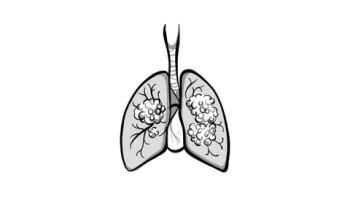
In a presentation during the 41st Annual Chemotherapy Foundation Symposium Innovative Cancer Therapy for Tomorrow conference, Jessica Lin, MD, discussed the landscape of targeted therapies in driver mutations in non–small cell lung cancer.

Leticia Nogueira, PhD, MPH, discusses how healthcare professionals and patients can come together facing the threats of climate change on cancer care.
Following a patient death in the phase 2 IOV-LUN-202 trial, the FDA has issued a clinical hold.
Two PD-L1 tests, SP263 and 22C3, show high agreement & effectively identify patients with early-stage non–small cell lung cancer who are likely to benefit from adjuvant atezolizumab.
The investigational new drug application of lacutamab, a novel drug for advanced T-cell lymphoma, was put on partial clinical hold after the death of a patient last year.

As clinicians navigate the array of available antibody-drug conjugates for HER2-negative metastatic breast cancer, Joshua Z. Drago, MD, MS, emphasizes the importance of considering various factors in therapy selection and sequencing.

A study evaluating healthcare expenses identified lisocabtagene maraleucel as a cost-effective second-line treatment for patients with diffuse large B-cell lymphoma.

In an interview with Targeted Oncology, Andre Goy, MD, discussed the potential of brexucabtagene autoleucel for the treatment of patients with relapsed/refractory mantle cell lymphoma and how 2 studies provide support for use of the agent in this patient population.
The completion of the phase 1 trial is a crucial step toward making DOC1021 available to all patients with glioblastoma multiforme.
Trastuzumab deruxtecan emerges as a superior second-line option for HER2-positive metastatic breast cancer, with a fourfold increase in median progression-free survival vs trastuzumab emtansine, as reported in the DESTINY-Breast03 trial.
Here is a look back at the FDA happenings from the month of December 2023.
In a phase 1 study of 10 evaluable patients with refractory/relapsed malignant pleural mesothelioma, the median overall survival was 17.6 months for patients treated with the combination of galinpepimut-S and nivolumab.
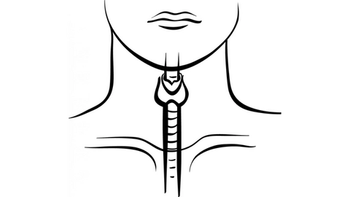
In an interview with Targeted Oncology, Francis P. Worden, MD, shed light on the evolving landscape of advanced thyroid cancer treatment, offering valuable insights into the available options.
The FDA did not fully approve sotorasib for the treatment of patients with KRAS G12C-mutated non–small cell lung cancer.
Leticia Nogueira, PhD, MPH, discusses the vulnerabilities and hazards that patients with cancer experience due to climate change.

The phase 1/2 CaRe PC trial evaluating INKmune, a biologic therapy, in male patients with metastatic castration-resistant prostate cancer has dosed its first patient.

In an interview with Targeted Oncology, James Zou, PhD, provided an overview of AI and machine learning applications in oncology.
Leticia Nogueira, PhD, MPH, discusses the cancer risks that fossil fuel consumption and climate change present.
In an interview with Targeted Oncology, Jennifer A. Woyach, MD, discussed updated results from the phase 1/2 BRUIN study of pirtobrutinib in chronic lymphocytic leukemia or small lymphocytic lymphoma following treatment with a covalent Bruton tyrosine kinase inhibitor.

In an interview with Targeted Oncology, Daniel Baker, PhD candidate at the University of Pennsylvania, discussed the growing role for CAR T-cell therapies outside of the oncology field.
Andrew Srisuwananukorn, MD, assistant professor at The Ohio State University Comprehensive Cancer Center, discussed the use of a novel artificial intelligence model that aids in the differentiating between prefibrotic primary myelofibrosis and essential thrombocythemia.

In an interview with Targeted Oncology, Muhammad Siddiqui, MD, explained the role that palliative medicine plays in a cancer treatment plan and how oncologists and palliative care physicians can work together in patients’ best interests.
In an interview with Targeted Oncology, Marcelen Rosenscheg, MD, discussed some of the methods that are used to treat pain in patients with cancer and the importance of such research.
Jonathan W. Riess, MD, medical director of thoracic oncology, University of California, Davis Comprehensive Cancer Center, discusses the phase 1b FAVOUR trial of furmonertinib in patients with advanced non–small cell lung cancer harboring EGFR Exon20 insertion mutations.
In an interview with Targeted Oncology™, Michelle M. Issac, MD, discussed the goals of both palliative care and oncology care professionals as they support patients with cancer.

Manmeet Ahluwalia, MD, discusses the progress and initiatives of the Cancer Moonshot program.