

Sotorasib plus either pembrolizumab or atezolizumab revealed promising efficacy and relatively low rates of hepatotoxicity with a lead-in dosing strategy in patients with KRAS G12C–positive non–small cell lung cancer.

Sotorasib plus either pembrolizumab or atezolizumab revealed promising efficacy and relatively low rates of hepatotoxicity with a lead-in dosing strategy in patients with KRAS G12C–positive non–small cell lung cancer.
A phase 1a trial of GDC-6036 showed encouraging antitumor activity with a manageable safety profile as a single agent in previously treated patients with KRAS G12C–mutated non–small cell lung cancer.
Comparable outcomes seen with sintilimab vs pembrolizumab in patients with treatment-naïve metastatic non–small cell lung cancer.
Treatment with concurrent sugemalimab demonstrated prolonged progression-free survival in patients with stage III unresectable non–small cell lung cancer.
Using neoadjuvant chemoimmunotherapy to treat patients with stage IIIA resectable non–small cell lung cancer based on differences between pathologic complete responders and non–pathologic complete responders is supported by the phase 2 NADIM trial.
Sacituzumab govitecan-hziy vs single-agent docetaxel with be evaluated in the phase 3 EVOKE-01 trial of patients with metastatic non–small cell lung cancer.
Ociperlimab plus tislelizumab revealed promising efficacy in adults with treatment-naïve, metastatic, PD-L1–positive non–small cell lung cancer.
The phase 2 Neo-KAN study revealed neoadjuvant adagrasib alone or in combination with nivolumab may improve pathologic complete response rates in patients with resectable, KRAS G12C–mutated non–small cell lung cancer.
First-line durvalumab in combination with tremelimumab improved overall survival vs standard-of-care chemotherapy for the treatment of patients with metastatic non–small cell lung cancer.
Tremelimumab plus durvalumab and chemotherapy displayed improvements in clinical and survival benefit in patients with PD-L1 negative metastatic non–small cell lung cancer.

While treatment with pembrolizumab and lenvatinib vs lenvatinib alone seemed to have survival benefit in patients with unresectable hepatocellular carcinoma, the primary end points of the trial were missed.

The FDA has approved darolutamide tablets in combination with docetaxel for adult patients with metastatic hormone-sensitive prostate cancer.
The FDA has approved fam-trastuzumab deruxtecan-nxki for the treatment of patients with unresectable or metastatic HER2-low breast cancer.

Erasca has entered into a clinical trial collaboration and supply agreement with Eli Lilly and Company to evaluate the anti-EGFR antibody cetuximab.
Acalabrutinib’s new tablet formulation has been granted FDA approval for all current indications, including adult patients with chronic lymphocytic leukemia, small lymphocytic lymphoma, and relapsed or refractory mantle cell lymphoma.
The FDA accepted an investigational new drug application allowing for the start of a phase 1 trial to evaluate the tolerability of AVB-101 in patients with platinum resistance ovarian cancer.

High objective response and complete response rates observed with mosunetuzumab in patients with relapsed/refractory follicular lymphoma.

In an interview with Targeted Oncology, Christopher Nevala-Plagemann, MD, discussed the key takeaways of his research on the best treatment strategies for patients with left sided RAS or RAF wild-type metastatic colorectal cancer.

Yuliya Mikheeva, MD, PhD, discusses the many challenges oncologists face in treating patients with anaplastic thyroid cancer harboring BRAF mutations.

Disparities exist for Medicaid-insured patients at centers designated for high-quality care, according to researchers from Yale Cancer Center.

The LYNK-003 trial evaluating olaparib monotherapy or in combination with bevacizumab in patients with unresectable or metastatic colorectal cancer who have not progressed following first-line induction has ended due to futility.

High-dose REGN5678 combined with cemiplimab shows preliminary response elicitation in patients with metastatic castration-resistant prostate cancer.
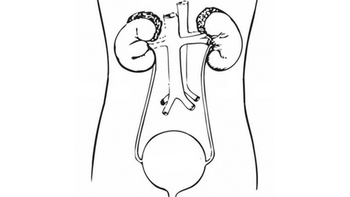
Favorable overall survival results were shown with preoperative combination chemotherapy in patients with pancreatic cancer.

Frontline treatment with ibrutinib, bendamustine, and rituximab showed a prolongation in progression-free survival along with a good response rate in older patients with mantle cell lymphoma.

Michael Wang, MD, gives a brief overview of the safety and efficacy findings of a phase 1b study evaluating acalabrutinib plus venetoclax and rituximab in patients with mantle cell lymphoma.

The phase 3 RESILIENT trial of irinotecan liposomal injection vs topotecan failed to meet its primary end point of overall survival in patients with previously treated small cell lung cancer.

The phase 3 TAVT45CO2 study investigating TAVT-45 in patients with metastatic castrate-sensitive prostate cancer and metastatic castrate-resistant prostate cancer has finished enrollment.
Findings from a phase 1 study concluded zandelisib given to patients with relapsed/refractory B-cell malignancies at 60 mg once daily in an intermittent dosing schedule reflected in a positive safety profile.

Robert J. Soiffer, MD, discusses the use of stem cell transplant in treating hematologic malignancies prior to the availability of chimeric antigen receptor T-cell products.
In the phase 3 IMscin001 clinical trial, the use of subcutaneous atezolizumab demonstrated similar efficacy, safety, and pharmacokinetics compared with intravenous atezolizumab in patients with immunotherapy-naïve locally advanced or metastatic non—small cell lung cancer.