

In the CodeBreaK 200 clinical trial, progression-free survival was extended with sotorasib treatment in patients with KRAS G12C-mutated non–small cell lung cancer vs standard of care chemotherapy.

In the CodeBreaK 200 clinical trial, progression-free survival was extended with sotorasib treatment in patients with KRAS G12C-mutated non–small cell lung cancer vs standard of care chemotherapy.
Top-line data from the SELECT trial of vopratelimab plus pimivalimab vs pimivalimab alone missed its primary end point of mean tumor change but showed encouraging trends for secondary end points.

In an interview with Targeted Oncology following the tweet chat, Warren Swegal, MD, discussed the key takeaways from the discussion, including his thoughts on the case and what he hopes will be addressed in the future of the thyroid cancer space.

Karen L. Reckamp, MD, discusses the key findings of the phase 2 Lung-MAP substudy S1800A for patients with stage IV, previously-treated non–small cell lung cancer.

In an interview with Targeted Oncology, Chen Yuan, MD, further discussed the research on the age-dependent associations and risks for patients with pancreatic cancer.

The FDA has cleared TakeAim Leukemia study to continue enrolling emavusertib with or without azacytidine and venetoclax in patients with acute myeloid leukemia or myelodysplastic syndrome.

Jeffrey Miller, MD, discusses what is next to come following an analysis of GTB-3550.
The phase 3 MAGNOLIA study has begun enrolling patients to examine abelacimab for the treatment of thrombosis associated with cancer.

William J. Gradishar, MD, discusses the most recent evolutions in the management of patients with advanced breast cancer.

To assist clinicians in identifying, monitoring, and managing immune-related adverse effects, the American Society of Clinical Oncology issued guidelines in June 2022 updated by a multidisciplinary panel.
An investigational new drug application has been accepted by the FDA allowing for the start of a phase 1 trial to evaluate the tolerability of CNTY-101 in patients with relapsed or refractory CD19 positive B-cell malignancies

Hot flashes related to adjuvant hormone therapy were predictive of worse breast cancer outcomes, according to research on disease-free survival and treatment discontinuation in patients with and without hot flashes.
Two genes to assist in determining primary resistance to immunotherapy for patients with mismatch repair–deficient/microsatellite instability–high gastrointestinal cancers have been identified.

Heinz Ludwig, MD, discusses the incidence of increased infections in patients with multiple myeloma.

Nazli Dizman, MD, internal medicine resident at Yale Department of Internal Medicine, discusses the role of the gut microbiome in cancers like renal cell carcinoma.

Updated analysis of the IKEMA trial showed the combination of isatuximab, carfilzomib, and dexamethasone to elicit superior progression-free survival vs carfilzomib and dexamethasone alone in patients with multiple myeloma.
Findings from the phase 3 DETERMINATION trial show lenalidomide plus bortezomib, dexamethasone, and autologous stem cell transplantation to improve progression-free survival in patients with multiple myeloma.
Daratumumab, carfilzomib, lenalidomide, and dexamethasone induction and consolidation allowed 70% of patients with high-risk, newly diagnosed multiple myeloma to complete a second autologous stem cell transplant.
Meaningful progression-free survival and safety elicited with isatuximab plus pomalidomide and dexamethasone treatment in real-world multiple myeloma population.

Kashyap Patel, MD, discusses the current disparities in the myeloma space and the ways in which oncologists are handling them.
Approval has been granted by the FDA to pemigatinib for the treatment of patients with myeloid/lymphoid neoplasms with FGFR1 rearrangement based on the phase 2 FIGHT-203 trial.

A biologics license application for lifileucel has been initiated by the FDA following positive findings of the phase 2 C-144-01 trial in advanced melanoma.

Following promising preclinical data, the phase 1 IMproveMF trial in myelofibrosis doses its first patient with imetelstat and ruxolitinib.

A case report for zenocutuzumab supports emerging evidence that NRG1 fusions are targetable driver mutations in metastatic breast cancer.
The novel targeted therapy abivertinib showed efficacy in a clinical trial of patients with EGFR T790M mutations who previously received an EGFR inhibitor.

In a study, a correlation between frailty status and death at 1 year was identified in patients with diffuse large B-cell lymphoma.
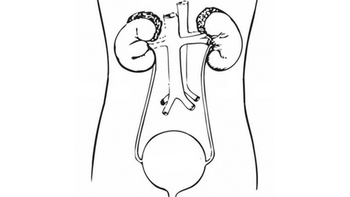
During the 2022 Debates and Didactics in Hematology and Oncology conference, Bassel Nazha, MD, MPH and Jacqueline T. Brown, MD, debated on adjuvant vs neoadjuvant systemic therapy for patients with upper tract urothelial cancer.
CE label expansion has been given to the VENTANA PD-L1 assay for patients with non-small cell lung cancer as a companion diagnostic for atezolizumab.
Certain patients with Wilm's tumor-expressing solid tumors are eligible to be treated with an investigational agent in a phase 1 clinical trial.

In an interview with Targeted Oncology, Erika P. Hamilton, MD, discussed the early clinical activity seen with DS-6000a in patients with advanced ovarian cancer or renal cell carcinoma with disease progression following standard of care treatment.