

During a recent tweet chat with Sheena Mukkada, MD, MPH, an assistant member of the St. Jude Children’s Research Hospital, joined Targeted Oncology to discuss how the COVID-19 pandemic has impacted pediatric cancer care.

During a recent tweet chat with Sheena Mukkada, MD, MPH, an assistant member of the St. Jude Children’s Research Hospital, joined Targeted Oncology to discuss how the COVID-19 pandemic has impacted pediatric cancer care.
The extended use of aromatase inhibitor therapy beyond 5 years remains controversial. However, a new study found that extending letrozole use significantly improves disease-free survival in postmenopausal patients with breast cancer.
The assay is meant to determine patient eligibility for atezolizumab, which was granted FDA approval in PD-L1-positive lung cancer on October, 15. The assay was used in the IMpower010 study.

The primary end point of the phase 3 SOLSTICE study of trifluridine and tipiracil plus bevicizumab versus capecitabine and bevacizumab in patients with unresectable metastatic colorectal cancer was not met.

The ATLEP study explored the combination of lenvatinib and pembrolizumab in patients with ATC and poorly differentiated thyroid cancer.

Press Release
Florida Cancer Specialists & Research Institute has received a three-year accreditation from the National Accreditation Program for Breast Centers.
A fast-track designation was granted to a universal cancer vaccine in combination with checkpoint inhibitors. The vaccine, UV1, can be used in combination with either pembrolizumab or ipilimumab.

Both the primary and key secondary end point of the phase 3 EMERALD study have been reached.

Michael Wang, MD, discusses the real-world efficacy of brexucabtagene autoleucel, the first chimeric antigen receptor T-cell therapy for the treatment of mantle cell lymphoma.
In an interview with Targeted Oncology, Evanthia Roussos Torres, MD, PhD, discussed the phase 1 investigation of the safety and efficacy of entinostat administered in combination with nivolumab and ipilimumab for the treatment of advanced HER2-negative breast cancer.

A trial is currently recruiting across the US to investigate the safety of a new anti-PD-1/CD3 antibody for the treatment of relapsed or refractory T-cell lymphoma. It aims to enroll 86 patients.
In a randomized study, geriatric assessment-driven intervention was effective in reducing chemotherapy-related toxicities in older patients with cancer.
The primary end point of the ROMAN trial was not reached after avasopasem was found to not significantly reduce the incidence of severe oral mucositis. A full analysis of the results is ongoing.

An innovative value-based cancer care program has been launched to improve treatment coordination for thousands of patients in Tennessee.

Following treatment with chimeric antigen receptor T-cell therapy, patients with relapsed or refractory large B-cell lymphoma require more options. Investigators are now evaluating an interleukin-17 agent.

Each 2021 ACCC Innovator Award program recipient will deliver a presentation on its winning program at ACCC’s 38th National Oncology Conference, according to the organization.
A phase 1b/2 study has shown an 80% clinical activity rate with liposomal annamycin as treatment of soft tissue sarcoma lung metastases.
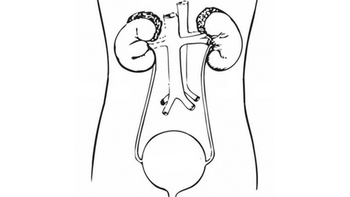
Sarah P. Psutka, MD, discussed the efficacy and toxicity of later-line ICI and TKI therapy in mRCC during an interview with Targeted Oncology.
N-803 in combination with BCG has demonstrated disease-free survival benefit in patients with NMIBC. This meets the primary end point of the QUILT 3.032 study.

Sarah P. Psutka, MD, discusses the efficacy of the combination of immune checkpoint inhibitor therapy plus tyrosine kinase inhibitor for the treatment of metastatic renal cell carcinoma.
A study at MD Anderson Cancer Center aims to evaluate ixazomib and rituximab in patients with relapsed or refractory mantle cell lymphoma.
New findings from the phase 3 monarchE recently led to an FDA approval for abemaciclib. Joyce O’Shaughnessy, MD, presented the long-term analysis results during an ESMO Virtual Plenary.

In combination with chemotherapy and sintilimab, a bevacizumab biosimilar injection was found to increase PFS in patients with Nonsquamous NSCLC who progressed after a prior EGFR-TKI.
In an interview with Targeted Oncology, Annette S. Kim, MD, PhD, discussed the updates to the NCCN guidelines on myeloid/lymphoid neoplasms with eosinophilia, along with how to bring new pathology strategies for these disease into clinical practice.

The HIMALAYA study has met its primary end point of overall survival improvement in patients with unresectable hepatocellular carcinoma with tremelimumab plus durvalumab.
LAVA-051 for the treatment of CLL was granted an orphan drug designation by the FDA. Results of a phase 1 study of the agent are expected in the first half of 2022.

Richard Anderson, PhD, discusses the effects lymphoma treatments have on fertility.
The new state-of-the-art North Port Cancer Center is now open.
Currently, no FDA-approved therapies are available to address the need of patients with advanced/recurrent endometrial cancer, underscoring a need to develop novel strategies like the combination of lenvatinib and weekly paclitaxel.
Despite researchers compiling data from an equal-access system and adjusting for age, diagnosis period, tumor stage, tumor histology/grade, and whether the patient had adjuvant treatment, the overall survival disparity between Black and White women with endometrial cancer persisted.