

New results, presented at the 2021 ASCO annual meeting, show the benefit of adding durvalumab to neoadjuvant anthracycline and taxane–based chemotherapy for patients with early triple-negative breast cancer.

New results, presented at the 2021 ASCO annual meeting, show the benefit of adding durvalumab to neoadjuvant anthracycline and taxane–based chemotherapy for patients with early triple-negative breast cancer.

A small clinical trial of pediatric patients with relapsed/refractory acute myeloid leukemia showed efficacy and safety with anti-C-type lectin-like molecule-based chimeric antigen receptor T cells.
Overall survival was not improved with alectinib in patients with treatment-naïve, advanced ALK-positive non-small cell lung cancer, compared to crizotinib.
Increased efficacy was observed with the combination of mosunetuzumab with polatuzumab vedotin in patients with relapsed/refractory B-cell non-Hodgkin lymphoma.
Treatment with aumolertinib led to improved progression free survival and duration of response in patients with advanced non-small cell lung caner with epidermal growth factor receptor, compared with gefitinib.
In patients with relapsed/refractory diffuse large B-cell lymphoma treated with the triplet combinaton of polatuzumab vedotin, rituximab and lenalidomide, therapy was considered to be safe and effective.
treatment with patritumab deruxtecan induced clinically meaningful, durable efficacy in heavily pretreated patients with EGFR-mutated non–small cell lung cancer who were resistant to EGFR tyrosine kinase inhibitors.
Patients with previously treated non–small cell lung cancer harboring EGFR exon 20 insertion mutations showed promising preliminary anti-tumor activity and an acceptable safety profile across all of the doses tested in a phase 1 trial of CLN-081.
The combination of cirmtuzumab and ibrutinib achieved high overall response rates in patients with mantle cell lymphoma or chronic lymphocytic leukemia who were treated in a phase 1/2 study.
According to results from the phase 1/2 and phase 2 ALTA trials, brigatinib demonstrated sustained long-term responses and survival in patients with crizotinib-refractory ALK-positive non–small cell lung cancer.

The Association of Community Cancer Centers today announced the launch of the ACCC Community Oncology Research Institute.
Tremendous strides in science have led to a wave of precision medicine-based approaches for patients that consider each patient’s underlying genetics and what makes each patient’s cancer unique.
In a new survey from, a majority of oncologists are referring patients to CAR T-cell therapy but barriers to timely care still remain.
The phase 2 VERSATILE-002 trial of PDS0101 in combination with pembrolizumab for patients with advanced head and neck cancer has expanded to include those who have progressed on prior treatment with checkpoint inhibitors.
Treatment with daratumumab in community clinics appeared well tolerated in patients with multiple myeloma and showed similar efficacy to that observed in clinical trials.
A new drug application has been resubmitted to the FDA for Pedmark, a sodium thiosulfate formulation, for the prevention of ototoxicity induced by cisplatin-based chemotherapy in patients under the age of 18 years old with localized, non-metastatic solid tumors.
Joshua K. Sabari, MD, discusses the need for EGFR inhibitors designed specifically to treat patients with EGFR-mutant non–small cell lung cancer and an exon 20 insertion.

The FDA has approved Guardant360, a liquid biopsy companion diagnostic for tumor mutation profiling or comprehensive genomic profiling to identify patients with locally advanced or metastatic non-small cell lung cancer who have a KRAS G12C mutation and may benefit from sotorasib.
The FDA has accepted and granted priority review to the new drug application for plinabulin in combination with granulocyte colony-stimulating factor for the prevention of chemotherapy-induced neutropenia in patients with cancer.
Here is a look back at the FDA happenings from the month of May 2021.
The FDA has granted accelerated approval to the oral FGFR1-3 selective inhibitor, infigratinib for the treatment of patients with cholangiocarcinoma who harbor an FGFR2 gene fusion or rearrangement.

Data collected and analyzed from the Surveillance, Epidemiology, and End Results Medicare database showed that elderly patients with small-cell lung cancer had a substantial burden from myelosuppression events while on chemotherapy.
The FDA has granted accelerated approval to sotorasib for the treatment of adult patients with KRAS G12C-mutated locally advanced or metastatic non-small cell lung cancer, as determined by an FDA-approved test, who have received at least one prior systemic therapy.

Findings from the Trending Now in Cancer Care 2020 report spotlights the impact of the coronavirus 2019 pandemic, a plummet in cancer screenings, health inequities, and more.

Alexey Danilov, MD, a hematologist oncologist at the City of Hope Comprehensive Cancer Center, discusses treatment options for relapsed/refractory chronic lymphocytic leukemia.
In an interview with Targeted Oncology, Deepu Madduri, MD discussed the need for further CAR T-cell therapy research, expanding it into other hematology malignancies. She also discussd management of the common adverse events associated with CAR T cells.
Melflufen flufenamide has been deemed non-inferior to pomalidomide for the treatment of relapsed/refractory (R/R) multiple myeloma.
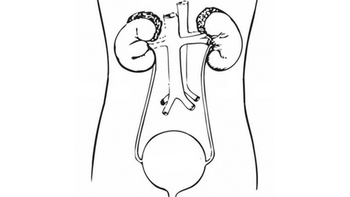
The American Urological Association updated its guidelines on Renal Masses and Localized Renal Cancer, expanding the use of genetic counseling and updating the use of active surveillance.
In an interview with Targeted Oncology following the medical conference presentation, Ritu Salani, MD, expanded on the role biomarkers play in the treatment of cervical cancer, how this testing looks in the everyday clinics, and how it can potentially change pending competition of ongoing clinical trials.

In an interview with Targeted Oncology, Benjamin Levy, MD, discusses the importance of molecular testing in lung cancer, the efficacy and future of targeted therapies, and upcoming practice-changing trials.