
Peter Martin, MD, provides his expert opinion on how to close the gap between recommended treatment pattens for mantle cell lymphoma and patterns observed in the real-world setting.

Peter Martin, MD, provides his expert opinion on how to close the gap between recommended treatment pattens for mantle cell lymphoma and patterns observed in the real-world setting.
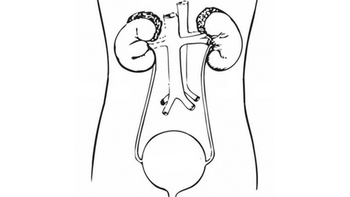
The first patient with metastatic prostate cancer has been dosed with the investigational next-generation androgen biosynthesis inhibitor, PRL-02, as part of a phase 1/2a clinical trial.

Neeraj Agarwal, MD, discusses the updated results of the phase 3 TITAN study, which analyzed the efficacy of apalutamide plus androgen deprivation therapy versus ADT plus placebo in patients with metastatic hormone-sensitive prostate cancer.

Balixafortide in combination with eribulin did not improve objective response rate compared to eribulin alone for the treatment of HER2-negative, locally recurrent or metastatic breast cancer, missing the coprimary end point of the FORTRESS study.
The FDA has granted orphan drug designation to devimistat for the treatment of patients with biliary cancer,

Debate and discussion about the origin of the virus that causes COVID-19 have been at the forefront of the global consciousness since the first cases were reported in December 2019.

Patients with relapsed/refractory acute myeloid leukemia will now be assesses with the off-the-shelf cell therapy CYNK-001 after a case of conversion to minimal residual disease negativity at its highest dose level.

A primary analysis of the phase 3 ZUMA-7 study shows the benefits of axicabtagene ciloleucel for patients with relapsed or refractory large B-cell lymphoma in the second and third-line settings.
The FDA has granted breakthrough therapy designation to orelabrutinib, a Bruton’s tyrosine kinase inhibitor, for the treatment of relapsed or refractory mantle cell lymphoma.
The FDA has granted fast track designation to SNDX-5613 for the treatment of adult and pediatric patients with relapsed or refractory acute leukemias who harbor a mixed lineage leukemia rearranged or nucleophosmin mutation.
The target number of patients with soft tissue sarcoma lung metastases have been enrolled in the phase 1b/2 study of Annamycin, commencing the recruiting portion of the trial.

The combination of cabozantinib and atezolizumab demonstrated improvement in both progression-free and overall survival compared with sorafenib, in patients with untreated advanced hepatocellular carcinoma.
Across the United States, the health insurance coverage gap continues to impact millions of patients who are largely low-income or are racial minorities. After years of lobbying, Congress has passed the Clinical Treatment Act, which is legislation designed to improve access to health coverage.
Pembrolizumab plus lenvatinib demonstrated antitumor activity and a manageable safety profile in patients with metastatic renal cell carcinoma who have previously received immune checkpoint inhibitor therapy.
The FDA has granted a breakthrough therapy designation from the FDA for patients with advanced non-small cell lung cancer with a KRASG12C mutation following prior systemic treatment.
The FDA’s Oncologic Drug Advisory Committee voted 13 to 4 for the deferral of the FDA approval of retifanlimab for the treatment of patients with locally advanced or metastatic squamous carcinoma of the anal canal who have progressed on or who are intolerant of platinum-based chemotherapy, pending more research.

Relacorilant administered in combination with nab-paclitaxel elicited responses in patients with metastatic pancreatic cancer, leading to the halting of enrollment in the phase 2 RELIANT trial.

Rachel Wuerstein, MD, discusses the clinical implications of the results of the KAMILLA trial, which evaluates the benefit of trastuzumab emtansine in patients with HER2-positive breast cancer who have received prior anti-HER2 and chemotherapy-based treatment.

New published data from a phase 2/3 trial shows the increased survival benefit of PD-1 inhibitor sintililmab and bevacizumab biosimilar IBI305 in the frontline setting for patients with metastatic HCC.
Intensifying daratumumab induction therapy may improve responses to therapy in patients with ultra high-risk multiple myeloma or primary plasma cell leukemia, according to prospective study results.

Alexander Spira, MD, PhD, FACP, director of the Virginia Cancer Specialists Research Institute, discusses the current standard of care for EGFR exon 20 insertion-mutated lung cancer.
Sintilimab injection in combination with chemotherapy showed a statistically significant and clinically meaningful improvement in overall survival as frontline treatment of patients with unresectable, locally advanced recurrent or metastatic esophageal squamous cell carcinoma.
In an interview with Targeted Oncology, Kathleen Moore, MD, discusses the effects of niraparib for ovarian cancer in the earlier-line setting in more detail and how she anticipates it will change clinical practice.
Newer immunotherapy approaches continue to be explored to treat patients with relapsed or refractory MCC after PD-1/ PD-L1 inhibition.
The in-house oral oncolytic pharmacy of American Oncology Network, LCC, received reaccreditation from the Accreditation Commission for Health Care.
The investigational next-generation tyrosine kinase inhibitor, taletrectinib has been dosed for the first time in a patient with an NTRK fusion-positive solid tumor being treated in a phase 2 study.
The combination of the anti-PD-1/PD-L1 therapy pembrolizumab with the platinum-based chemotherapy regimens paclitaxel plus cisplatin or paclitaxel plus carboplatin administered with or without bevacizumab improved both progression-free and overall survival in patients with persistent, recurrent, or metastatic cervical cancer, meeting the primary end point of the phase 3 KEYNOTE-826 trial.

Caron A. Jacobson, MD, MMSc, discusses the design of the phase 2 ZUMA-5 trial, which evaluated the efficacy of axicabtagene ciloleucel in relapsed/refractory indolent Non-Hodgkin Lymphoma.
In an interview with Targeted Oncology, Peter Riedell, MD, discussed an analysis of how time to relapse impacts survival. He also explained what the study findings mean for clinical practice.
The use of daratumumab as maintenance therapy for patients with newly diagnosed multiple myeloma who received autologous stem cell transplant plus induction and consolidation therapy with bortezomib, thalidomide, and dexamethasone was beneficial.