

Alpelisib plus fulvestrant significantly improves progression-free survival in advanced breast cancer patients previously treated with CDK4/6 inhibitors.

Alpelisib plus fulvestrant significantly improves progression-free survival in advanced breast cancer patients previously treated with CDK4/6 inhibitors.
Circulating tumor DNA analysis offers a minimally invasive method for detecting key genetic alterations in hormone receptor-positive breast cancer patients.

During a live event, Jan Drappatz, MD, surveyed participants on the rationale for their choice of treatment for a 39-year-old patient with grade 2 astrocytoma.
New research shows less invasive surgical options for breast cancer staging are as effective as traditional methods, enhancing patient quality of life.
New research reveals that preoperative breast MRI does not enhance outcomes for early-stage breast cancer patients, challenging its routine use in treatment plans.
New trial data reveals that combining preoperative radiation with pembrolizumab enhances immune response in high-risk, early-stage breast cancer patients.
Abemaciclib shows promise as a monotherapy for HR-positive, HER2-negative breast cancer after CDK4/6 inhibitor failure, benefiting 33% of patients.
Sacituzumab govitecan enhances quality of life for untreated advanced TNBC patients, despite increased gastrointestinal toxicities compared to chemotherapy.

The FDA reviews nivolumab with chemotherapy as a potential new frontline treatment for advanced classical Hodgkin lymphoma, promising improved outcomes.
Subgroup analyses reveal T-DXd significantly improves invasive disease-free survival in early-stage HER2-positive breast cancer compared to T-DM1, regardless of HER2 expression.

A recent study reveals critical insights on disease progression and survival rates in patients with relapsed/refractory large B-cell lymphoma treated with bispecific antibodies.
Tucatinib enhances frontline maintenance therapy for HER2-positive metastatic breast cancer, significantly improving progression-free survival compared to placebo.

FDA and EMA approve AVC-203, a groundbreaking CAR-T therapy targeting B-cell malignancies, promising enhanced safety and scalability for patients.
An innovative AI model enhances breast cancer recurrence predictions, outperforming traditional methods and offering tailored treatment insights for patients.
Patients in the DESTINY-Breast09 trial report improved quality of life with T-DXd plus pertuzumab, highlighting distinct side effect profiles compared to standard care.
New data reveals that the BPd treatment combination significantly improves outcomes in relapsed multiple myeloma, outperforming traditional therapies.
Giredestrant shows significant improvement in invasive disease-free survival for early breast cancer patients, outperforming standard endocrine therapy in a pivotal trial.
Aromatase inhibitors enhance disease-free survival in HR+/HER2+ early breast cancer, outperforming SERMs without compromising overall survival, according to ALTTO trial findings.
The MonumenTAL-2 study reveals promising results for talquetamab and pomalidomide in treating relapsed/refractory multiple myeloma, showcasing high response rates.

New research reveals mismatched unrelated donors significantly improve transplant outcomes, expanding options for diverse patients in need of life-saving procedures.
KLN-1010 shows promising MRD-negative responses in relapsed/refractory multiple myeloma patients, highlighting its potential as a safe, off-the-shelf CAR T therapy.
The LimiTEC trial reveals that discontinuing teclistamab after 6-9 months yields comparable outcomes to continuous treatment in multiple myeloma patients.

During a live event, Yelena Y. Janjigian, MD, moderated a discussion on how to use PD-L1 CPS status when considering immunotherapy for gastric cancer.
Discover the most anticipated breast cancer abstracts at the 2025 San Antonio Symposium, featuring groundbreaking studies in HR+, HER2+, and TNBC.
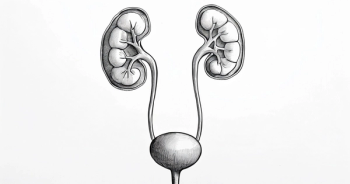
XmAb819 shows promising antitumor activity and manageable safety in clear cell renal cell carcinoma patients, highlighting its potential in future therapies.
A 6-month complete response predicts improved long-term survival in high-risk large B-cell lymphoma patients treated with axicabtagene ciloleucel.
Dexamethasone prophylaxis significantly reduces severe neurotoxicity in LBCL patients receiving axi-cel, enhancing safety without compromising efficacy.
Immunotherapy shows significant survival benefits for metastatic chromophobe renal cell carcinoma patients with sarcomatoid features, suggesting a potential predictive biomarker.