
Opinion|Videos|April 1, 2025
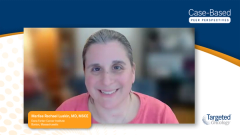
Treatment Implementation and Long-Term Considerations in BPDCN
Author(s)Marlise R. Luskin, MD, MSCE
Panelists discuss how optimizing shared-care models between academic and community centers enhances continuity in complex hematologic malignancies. Key monitoring parameters for tagraxofusp include capillary leak syndrome risk. Timely transplant referral depends on disease kinetics. Novel therapies are among the unmet needs in plasmacytoid dendritic cell neoplasm. Support resources aid patient management. Emerging treatments and clinical insights continue to advance care.
Advertisement
Video content above is prompted by the following:
- What are effective strategies to structure the shared-care model between academic and community centers?
- What specific parameters are critical to monitor when using tagraxofusp in the community setting?
- What factors influence the timing of transplant referral in patients who achieve complete response with initial therapy?
- What unmet needs remain in managing blastic plasmacytoid dendritic cell neoplasm(BPDCN)?
- What are resources/support systems for patients with complex hematologic malignancies?
- What clinical pearls and up-and-coming treatment strategies are you excited about?
Advertisement
Related to this article

The antibody-drug conjugate sofetabart mipitecan showed efficacy and safety, leading to selection of a phase 3 dose for the FRAmework-01 trial.

FDA grants orphan drug designation to onvansertib for relapsed or refractory CMML, boosting development of the PLK1 inhibitor after early signals of activity.
Findings highlight the need for individualized monitoring after discharge, despite low rates of severe toxicities.

During a live event, Robert Orlowski, MD, PhD, and participants discussed how access barriers, disease tempo, and bridging choices shape CAR T referral for a patient with early relapsed multiple myeloma.
The guidelines incorporate cosibelimab for locally advanced cutaneous squamous cell carcinoma after favorable results in the CK-301-101 trial.
New analysis reveals major gaps in US TNBC trial access, leaving rural and minority communities with fewer treatment options and research opportunities.

The phase 3 VERIFY trial found that rusfertide improved clinical response, reduced phlebotomy requirements, and eased symptom burden in patients with polycythemia vera receiving standard-of-care therapy.

At Rutgers Cancer Institute, neuro-oncologists met to discuss the latest trends in precision brain cancer care with FET-PET imaging, advanced molecular testing, and same-day multidisciplinary clinics.
Advertisement
Advertisement
Trending on Targeted Oncology - Immunotherapy, Biomarkers, and Cancer Pathways
1
Insurance Delays and Travel Strain CAR T Referral in Early Relapsed Myeloma
2
NCCN Guidelines Add Cosibelimab for Locally Advanced CSCC
3
Oncologists Debate Role of On-Body Injector for Transplant-Ineligible Myeloma
4
Rusfertide Improves Hematocrit Control, Reduces Phlebotomy in Polycythemia Vera
5