




Prostate Cancer
Latest News
Advertisement
Latest Videos















































Advertisement
More News

Retrospective findings reported during the 2019 Genitourinary Cancers Symposium showed patients with metastatic castration-resistant prostate cancer who received radium-223 dichloride with abiraterone acetate in a layered fashion experienced a lower rate of symptomatic skeletal events compared with those who received the treatments concurrently.
Adding enzalutamide (Xtandi) to androgen deprivation therapy led to prolonged radiographic progression-free survival compared with ADT alone in men with metastatic hormone-sensitive prostate cancer, investigators reported during the 2019 Genitourinary Cancers Symposium.
According to data from the phase III ARAMIS trial presented during the 2019 Genitourinary Cancers Symposium, darolutamide added to androgen deprivation therapy significantly improved metastasis-free survival compared with placebo plus ADT in patients with nonmetastatic castration-resistant prostate cancer.
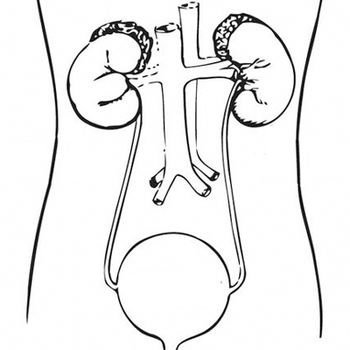
According to the final analysis of the Prostate Cancer Prevention Trial, finasteride, an agent commonly used to treat lower urinary tract problems and baldness in men, was safe and effective in reducing the risk of prostate cancer.

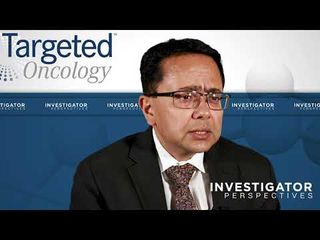
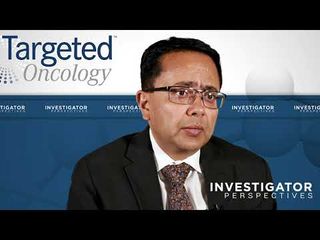
Raoul S. Concepcion, MD, FACS, director, Comprehensive Prostate Center, discusses takeaways from the ARAMIS study of darolutamide in patients with nonmetastatic castration-resistant prostate cancer.
Although African-American men are at a higher risk for metastatic castration-resistant prostate cancer and have worse survival outcomes compared with Caucasian men, findings of a recent retrospective study suggested they may have a better response to several prostate cancer treatments.
Treatment with the novel targeted radiation therapy lutetium-177 PSMA-617 demonstrated strong clinical activity and the potential to improve survival in heavily pretreated men with PSMA-positive metastatic castration-resistant prostate cancer, according to phase II findings to be presented at the 2019 Genitourinary Cancers Symposium.
In topline findings from the phase III TITAN trial announced today by Janssen, apalutamide in combination with androgen deprivation therapy significantly improved radiographic progression-free survival and overall survival versus placebo in patients with metastatic castration-sensitive prostate cancer.










General Cancer

Due to the significant decline in smoking and an increase in advances for early cancer detection and screening, the cancer death rate has declined 27% in the United States from 1991 to 2016, according to the American Cancer Society’s annual report on cancer rates.
In November 2018, the FDA issued a draft guidance recommending metastasis-free survival as an endpoint in drug trials for nonmetastatic castration-resistant prostate cancer, suggesting a major change in expectations for treatment of this tumor type.
The future of prostate cancer treatment will involve using biomarkers to identify which patients will respond to which medications and applying regimens currently in use for patients with advanced disease to men with earlier-stage disease, said Howard I. Scher, MD.
Advertisement
Advertisement
Trending on Targeted Oncology - Immunotherapy, Biomarkers, and Cancer Pathways
1
Denosumab Biosimilar Approved For Existing Oncology Indications
2
Plinabulin Receives FDA Fast Track Designation in Post-ICI NSCLC
3
FDA Oncology Recap: Approvals, Designations, and Decisions in September 2026
4
Tile-Based Radiation Improves Local Control in Resected Brain Metastases
5