




Renal Cell Carcinoma
Latest News
Advertisement
Latest Videos









































Advertisement
More News
David F. McDermott, MD, associate professor, Department of Medicine, Harvard Medical School/Dana-Farber Cancer Institute, discusses PD-L1 expression in kidney cancer and developing biomarkers for anti-PD-L1 agents.
According to a retrospective analysis of the phase III COMPARZ trial, high tumor expression of the protein PD-L1 (programmed cell death 1 ligand 1) is independently associated with shorter overall survival (OS) in patients with metastatic renal cell carcinoma (mRCC) receiving treatment with vascular endothelial growth factor (VEGF)-targeted therapy.
Elizabeth Plimack, MD, MS, attending physician, medical oncology, Fox Chase Cancer Center, discusses a phase I trial looking at overcoming mTOR resistance in renal cell carcinoma (RCC).

Most medical oncologists in the United States would opt for an mTOR (mammalian target of rapamycin) inhibitor as second-line therapy for patients with metastatic clear cell renal cell carcinoma (mccRCC).
Rana R. McKay, MD, a clinical oncology fellow at Dana-Farber Cancer Institute, Boston, Massachusetts, discusses a trial that analyzed overall survival in patients with metastatic renal cell carcinoma who used angiotensin system inhibitors.

The use of angiotensin system inhibitors (ASIs) may significantly improve survival outcomes in patients with metastatic renal cell carcinoma (mRCC), according to a vast, pooled retrospective analysis.
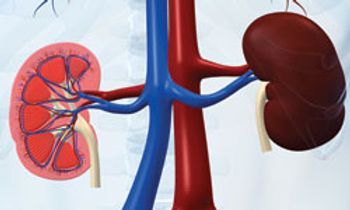
A research team at Cold Spring Harbor Laboratory in New York has succeeded in identifying the most common genetically altered genes and the major oncogenic drivers in hepatitis B virus-associated hepatocellular carcinoma (HCC).
James J. Hsieh, MD, PhD, medical oncologist, Memorial Sloan-Kettering Cancer Center, discusses emerging treatment options for patients with kidney cancer.

Over the past few years, seven new drugs have gained approval from the FDA for the treatment of patients with metastatic renal cell carcinoma (RCC). The advent of these molecularly targeted therapies has significantly improved the standard of care for patients with RCC.

The development of drugs that target angiogenesis and signal transduction pathways in the treatment of metastatic renal cell carcinoma (RCC) has led to improved survival rates for patients.
Sumanta Kumar Pal, MD, assistant professor, genitourinary cancers, City of Hope, discusses adjuvant therapy for renal cell carcinoma (RCC).

PD-L1 expression in tumors is a candidate molecular marker warranting further investigation as a means to select patients for immunotherapy with an anti PD-1 antibody
Julie R. Brahmer, MD, from Johns Hopkins University School of Medicine, Sidney Kimmel Comprehensive Cancer Center, discusses the outlook for immunotherapies in cancer care.
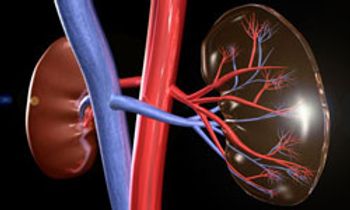
AGS-003, an investigational autologous dendritic cell vaccine, successfully activated a cytotoxic T cell response that correlates with a prolongation in survival for patients with metastatic renal cell carcinoma (mRCC), according to an analysis presented at the 2013 Annual Meeting of the Society for Immunotherapy of Cancer.

The treatment of advanced renal cell carcinoma (RCC) remains a major challenge for clinicians. However, according Daniel J. George, MD, the progress being made in understanding RCC tumor biology is already helping us to discover better, more effective treatments.

Targeted Oncology spoke with Shilpa Gupta, MD, from the Moffitt Cancer Center and University of South Florida Morisani College of Medicine, on considerations in choice of therapy for first-line treatment of mRCC.
Jeffrey A. Sosman, MD, professor of medicine, director, Melanoma and Tumor Immunotherapy Program, Vanderbilt University School of Medicine, Vanderbilt-Ingram Cancer Center, discusses immune response in renal cell carcinoma.
James J. Hsieh, MD, PhD, medical oncologist, Memorial Sloan-Kettering Cancer Center, discusses the frontline treatment of patients with kidney cancer with pazopanib and sunitinib.

Though pazopanib and sunitinib are relatively similar in terms of efficacy in the treatment of advanced renal cell carcinoma, the former appears to cause fewer toxic side effects than the latter, suggesting that patients could experience a greater quality of life and the same treatment benefit with pazopanib as opposed to sunitinib.

With seven targeted therapies approved for metastatic renal cell carcinoma (RCC), researchers and drug developers are now focusing on understanding the best way to sequence these therapies—and on identifying predictive biomarkers of response.

Over the past two decades, there has been a shift away from indiscriminate cell-killing by anticancer agents toward the development of more specific drugs that target key aspects of cancer cell biology.

Paul A. Bunn, Jr, MD, from the University of Colorado, discusses afatinib for patients with activating epidermal growth factor receptor mutation.
Carol Aghajanian, MD, from the Memorial Sloan-Kettering Cancer Center, discusses the difficulties with a gold standard clinical trial endpoint in ovarian cancer.

Pazopanib was better tolerated with noninferior efficacy when compared to sunitinib as a treatment for patients with advanced renal cell carcinoma.

The standard of care for metastatic renal-cell carcinoma (RCC) prevailed in a randomized comparison of everolimus and sunitinib as first-line therapy.
Advertisement
Advertisement
Trending on Targeted Oncology - Immunotherapy, Biomarkers, and Cancer Pathways
1
Denosumab Biosimilar Approved For Existing Oncology Indications
2
Plinabulin Receives FDA Fast Track Designation in Post-ICI NSCLC
3
FDA Oncology Recap: Approvals, Designations, and Decisions in September 2026
4
Giredestrant Plus Everolimus Improves PFS in ER+ Advanced Breast Cancer
5