

SKIN CANCERS
Latest News
Advertisement
Latest Videos
















































Advertisement
More News
Updated data from the phase III EORTC 18071 study showed that patients with surgically resected high-risk, stage III melanoma experienced a 25% reduction in the risk of recurrence or death with adjuvant ipilimumab compared with placebo.

According to the latest Annual Report to the Nation on the Status of Cancer, cancer death rates have declined in men, women, and children across all cancer types, and have continued to decline between 1999 and 2016. In a special section of this year’s report, however, data show that both cancer incidence and death rates were higher in women aged 20 to 49 compared to male counterparts.
Robert L. Ferris, MD, PhD, co-physician editor-in-chief of <em>Targeted Therapies in Oncology</em>, highlights a series of exciting results presented across various topics, which affect cancer research and treatment, during the 2019 AACR Annual Meeting.
Investigators across the globe have expended considerable effort attempting to identify mechanisms of response and resistance to ICIs. The general conclusion is that each patient’s response to immunotherapy is likely complex and highly individualized.

The FDA has granted P-BCMA-101 with an orphan drug designation for the treatment of patients with relapsed and/or refractory multiple myeloma.
Ryan J. Sullivan, MD, discusses the role of checkpoint inhibitors in the treatment landscape for patients with melanoma.
A discussion between regulators and special interest groups has cooled some of the excitement generated by the emergence of chimeric antigen receptor T-cell therapy for treating hematologic cancers.
The FDA has granted tebentafusp (IMCgp100) a fast track designation for the treatment of patients with HLA-A*0201-positive previously untreated metastatic uveal melanoma, according to Immunocore Limited, the company developing the novel immunotherapy agent.
Before a community oncology practice considers getting involved in clinical trials research, there are many factorsto consider. Perhaps foremost is the fact that cancer clinical trials provide the evidence base for new advances in oncology.
Artificial intelligence has made inroads in many industries—banking, finance, security—but its adoption in healthcare has been lagging and real-world clinical implementation has yet to become a reality. Nonetheless, proponents say it is only a matter of time and pilot programs are starting to yield some practical results.

Frederick L. Locke, MD, discusses how chimeric antigen receptor (CAR) T-cell therapies have evolved over the last 30 years of research in the field of hematologic malignancies.
Entinostat in combination with pembrolizumab induced responses in patients with recurrent or metastatic melanoma who have progressed on or after prior anti–PD-1 therapy, according to results of a phase II trial.

The success of chimeric antigen receptor T-cell therapy observed in hematologic malignancies has not yet translated into the solid tumor setting; however, efforts continue to try to bring this new modality into the treatment paradigm for solid tumors, including pancreatic cancer.
According to new data, survivors of childhood cancer who have lived 5 or more years from their primary malignancy may be up to 30 times more likely to develop a skin malignancy compared with the general population.
The healthcare community is still awaiting a response from the Centers for Medicare & Medicaid Services to the opposition of the agency’s proposal to substantially revise the Medicare Part D protected drug classes.
Robert L. Ferris, MD, PhD, Co-Physician Editor in Chief, <em>Targeted Therapies in Oncology</em>,<em> </em>discusses<em> </em>the<em> </em>evolving<em> </em>role of immunotherapy in melanoma and non–small cell lung cancer, where by it is now the dominant therapeutic approach in these diseases in progressively earlier lines of therapy.
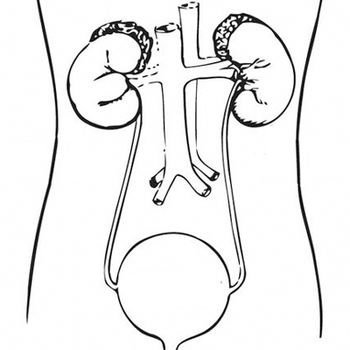
Overtreating men 70 years or older with prostate cancer cost Medicare more than $1.2 billion from 2004 to 2007, according to the results of a retrospective study using the Surveillance, Epidemiology, and End Results–Medicare linked database.
In his presentation at the 2019 Annual Practical Recommendations in Immuno and Molecular Oncology Meetingi, Sanjiv S. Agarwala, MD, reviewed survival statistics of patients with melanoma being treated at different stages of their disease.
Consuming a diet rich in fiber could boost immunotherapy response in select patients with melanoma, according to early research findings.
Michael A. Postow, MD, shares advice to community oncologists on managing the side effects of immunotherapy in patients with melanoma.
The PD-1 inhibitor pembrolizumab has gained FDA approval as an adjuvant therapy for patients with high-risk stage III melanoma with lymph node involvement following complete resection.
More men than women are dying from malignant melanoma, according to findings presented at the National Cancer Research Institute Cancer Conference held in Glasgow, United Kingdom.



Advertisement
Advertisement
Trending on Targeted Oncology - Immunotherapy, Biomarkers, and Cancer Pathways
1
Plinabulin Receives FDA Fast Track Designation in Post-ICI NSCLC
2
FDA Oncology Recap: Approvals, Designations, and Decisions in September 2026
3
Denosumab Biosimilar Approved For Existing Oncology Indications
4
CEPHEUS and Frontline Treatment in Newly Diagnosed Multiple Myeloma
5