


SKIN CANCERS
Latest News
Advertisement
Latest Videos











































Advertisement
More News
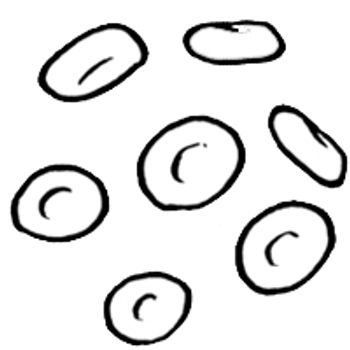
In an interview with <em>Targeted Oncology</em>, Chong, a fellow at the University of Pennsylvania, discussed the 4-year follow-up data for CAR T cells in patients with DLBCL and FL. She also addressed the challenges that need to be overcome in order to give more patients access to this type of therapy.

A phase III clinical trial has begun to investigate the use of cemiplimab as an adjuvant treatment after surgery and radiation therapy in patients with high-risk cutaneous squamous cell carcinoma.<br />
In the phase I/II TRANSCEND CLL 004 study, chimeric antigen receptor T-cell therapy lisocabtagene maraleucel led to undetectable minimal residual disease in patients with relapsed/refractory chronic lymphocytic leukemia.
The combination of bempegaldesleukin and nivolumab was granted a breakthrough therapy designation by the FDA for the treatment of patients with previously untreated unresectable or metastatic melanoma.
Kieron Dunleavy, MD, discussed current approaches to treating patients with MCL, highlighting peer discussions on the subject and information about the ZUMA-2 trial, in an interview with <em>Targeted Oncology</em>.

Nivolumab demonstrated long-term survival benefit in heavily pretreated patients with advanced melanoma, renal cell carcinoma, and non–small cell lung cancer, according to an analysis of 5-year results from the CA209-003 trial. The analysis also identified favorable and adverse factors associated with survival that could inform future use of nivolumab.
David Polsky, MD, PhD, discusses the findings from a liquid biopsy analysis of the COMBI-d trial, which is a phase III trial investigating the combination of dabrafenib and trametinib or dabrafenib alone in patients with BRAF V600E/K–mutant melanoma. Investigators found an association between the presence of baseline circulating tumor DNA (ctDNA) and a poor prognosis with the treatment of BRAF inhibitors.
In an interview with Targeted Oncology, Rodabe N. Amaria, MD, discussed the guidelines and recommendations outlined by the INMC. She also highlighted the importance of genomic testing in the neoadjuvant setting of melanoma.

The FDA has granted an orphan drug designation to MB-102, a CD123-directed CAR T-cell therapy, for the treatment of patients with acute myeloid leukemia.
Anna C. Pavlick, DO, MS, MBA, spoke with a group of physicians about the systemic therapy options, including immunotherapeutics, for treating patients with cutaneous carcinomas in a recent <em>Targeted Oncology </em>live case-based peer perspectives discussion. Pavlick explained treatment options based on 2 case scenarios of patients with cutaneous malignancies.

In an interview with <em>Targeted Oncology</em>, David Polsky, MD, PhD, discussed the findings from this analysis in patients with <em>BRAF</em>-mutant, unresectable, metastatic melanoma. He highlighted the next steps necessary for validating these findings and potentially using ctDNA to help inform treatment decisions for patients with metastatic melanoma.







Advertisement
Advertisement
Trending on Targeted Oncology - Immunotherapy, Biomarkers, and Cancer Pathways
1
FDA Oncology Recap: Approvals, Designations, and Decisions in September 2026
2
Plinabulin Receives FDA Fast Track Designation in Post-ICI NSCLC
3
Denosumab Biosimilar Approved For Existing Oncology Indications
4
CEPHEUS and Frontline Treatment in Newly Diagnosed Multiple Myeloma
5