
Nivolumab (Opdivo) has been granted a priority review designation by the FDA for use as a treatment for patients with hepatocellular carcinoma following prior sorafenib (Nexavar).

Nivolumab (Opdivo) has been granted a priority review designation by the FDA for use as a treatment for patients with hepatocellular carcinoma following prior sorafenib (Nexavar).
The approval of a biologics license application (BLA) for epoetin hospira (Retacrit), an epoetin alfa (Epogen/Procrit) biosimilar manufactured by Hospira, was recommended for approval by the FDA’s Oncologic Drugs Committee voted (ODAC) 14-1 today.
Pembrolizumab (Keytruda) has been granted a priority review by the FDA for the treatment of patients who have undergone at least 2 courses of chemotherapy for recurrent or advanced gastric or gastroesophageal junction adenocarcinoma.

NewYork-Presbyterian has established the William Rhodes and Louise Tilzer-Rhodes Center for Glioblastoma, to be led by physicians from Columbia University Medical Center and Weill Cornell Medicine.

Durvalumab (Imfinzi) showed a modest but encouraging clinical benefit in patients with <em>EGFR</em>-mutant or <em>ALK</em>-positive non–small cell lung cancer with high tumor PD-L1 expression of ≥25% in the third-line setting or beyond.
Neratinib has been recommended for approval by the FDA’s Oncologic Drugs Advisory Committee in a 12-4 vote for the extended adjuvant treatment of patients with early stage, HER2-positive breast cancer following postoperative trastuzumab.
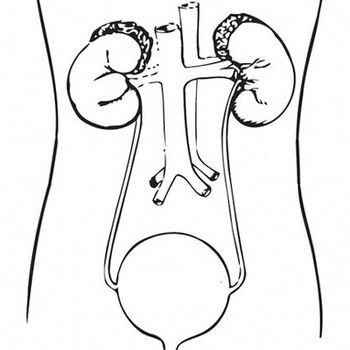
Arjun V. Balar, MD, discusses the impact of the approval of pembrolizumab and other immunotherapy agents in urothelial carcinoma, as well as the next steps with these treatments.

Bevacizumab demonstrated superior progression-free survival and a trend toward improved overall survival (OS) in patients with proliferative or mesenchymal ovarian tumors compared with patients with immunoreactive or differentiated tumors.
Pembrolizumab (Keytruda) has been granted an accelerated approval by the FDA for the treatment of adult and pediatric patients with unresectable or metastatic, microsatellite instability-high or mismatch repair deficient solid tumors.
Peter Black, MD, discusses the recent explosion of FDA approvals in the field of urothelial carcinoma, including durvalumab.
Jason Chesney, MD, PhD, has been appointed director of the University of Louisville’s James Graham Brown Cancer Center.
Ceritinib (Zykadia) has been recommended for approval by the EMA’s Committee for Medicinal Products for Human Use for the treatment of patients with ALK-positive, metastatic non–small cell lung cancer.
Rafal Dziadziuszko, MD, PhD, a global leader in clinical thoracic oncology, was recently honored with the 2017 Heine H. Hansen Award by ESMO and the IASLC.
Pembrolizumab (Keytruda) has been approved by the FDA for the treatment of patients with locally advanced or metastatic urothelial carcinoma.
Aiman Shalabi, PharmD, MBA, BCOP, has been appointed chief medical officer of the Cancer Research Institute, a nonprofit organization with the goal of developing lifesaving immunotherapies for all forms of cancer.

John Marshall, MD, of Georgetown Lombardi and MedStar Georgetown University Hospital, has been appointed chief medical officer of Caris Life Sciences.
Current guidelines recommend waiting 6 months before resecting a large hepatocellular adenoma to prevent a transformation to a malignant tumor; however, a recent study suggests that waiting longer could benefit some patients.
Copanlisib has been granted a priority review designation by the FDA as a treatment for patients with relapsed/refractory follicular lymphoma who have received at 2 least prior therapies.
Entrectinib has been granted breakthrough therapy designation by the FDA for use as a treatment for adult and pediatric patients with <em>NTRK</em>-positive, locally advanced or metastatic solid tumors.
Based on results from Maslach Burnout Inventory (MBI) questions included as part of the 2016 American Urological Association (AUA) Census, burnout rates among urologists are lower than previously reported, but the issue still remains important.
Shitanshu Uppal, MD, discusses the need for a more comprehensive registry process for patients with cervical cancer.
Bradley C. Leibovich, MD, discusses the benefits of surgery and the need for more effective drug treatments for patients with metastatic renal cell carcinoma.

Subcutaneous administration of rituximab (Rituxan) produced nearly identical response rates and toxicity as IV administration in the first-line treatment of follicular lymphoma.
Ramaswamy Govindan, MD, speaks to the rapid therapeutic changes and sequencing questions physicians are currently asking.
Dennis Scribner, MD, discusses the treatment landscape for patients with recurrent ovarian cancer and how PARP inhibitors have enhanced the treatment options for this population.
Tim F. Greten, MD, discusses the evolving role of immunotherapy in HCC.
Pam Profusek, RN, MS, discusses how to manage the AEs associated with immunotherapy agents, like durvalumab.
Fahima Dossa, MD, and Nancy Baxter, MD, PhD, discuss the potential of using a watch-and-wait approach in the management of patients with rectal cancer.
Jonathan Strosberg, MD, discusses recent developments and emerging agents in the field of NETs.

A strong association was found between high PD-L1 expression and local failure following radiotherapy in HPV-negative head and neck squamous cell carcinomas.