
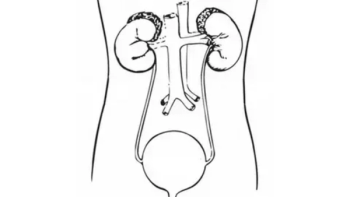
A groundbreaking trial for TYRA-300, an oral FGFR3 inhibitor, aims to transform treatment for patients with low-grade intermediate-risk bladder cancer.

A groundbreaking trial for TYRA-300, an oral FGFR3 inhibitor, aims to transform treatment for patients with low-grade intermediate-risk bladder cancer.

Daraxonrasib gains FDA breakthrough therapy status for treating metastatic pancreatic cancer with KRAS G12X mutations, showing promising survival rates.

A phase 2a trial shows tigilanol tiglate achieves an 80% response rate in soft tissue sarcoma, offering hope for effective treatment options.

Sam S. Chang MD, MBA, discusses intravesical mitomycin in low-grade intermediate-risk nonmuscle-invasive bladder cancer vs different treatment paths.
Arturo Loaiza-Bonilla, MD, MSEd, discusses the phase 3 ATOMIC trial presented at the 2025 American Society of Clinical Oncology Annual Meeting.

New findings reveal bemarituzumab plus chemotherapy significantly improves survival in advanced gastric cancer, offering hope for targeted treatment options.

AI streamlines patient identification for clinical trials, significantly reducing review time while maintaining high accuracy, transforming oncology workflows.
Elraglusib shows promise in enhancing survival rates for metastatic pancreatic cancer, particularly in high-risk patients with liver metastases.

Christina Poh, MD, discusses the promising data supporting the chemotherapy-free combination of tafasitamab plus lenalidomide and rituximab for relapsed/refractory follicular lymphoma.
Recent oncology breakthroughs showcase innovative treatments and approvals, enhancing patient outcomes in CLL, RCC, NSCLC, and CRC through targeted therapies and combinations.

Theresa Medina, MD, discusses the C-144-01 study of lifileucel in patients with advanced melanoma.

Discover the latest advancements in breast cancer treatment at the 24th Annual International Congress, featuring expert insights and groundbreaking research.

Recent studies reveal promising outcomes for discontinuing TKI therapy in select patients with Philadelphia chromosome-positive acute lymphoblastic leukemia, suggesting potential long-term remission.
Arturo Loaiza-Bonilla, MD, MSEd, discusses the potential of disitamab vedotin, toripalimab, and chemotherapy/trastuzumab in first-line treatment.

FDA approves tafasitamab with lenalidomide and rituximab, offering a groundbreaking chemotherapy-free treatment for relapsed follicular lymphoma.
FDA updates CAR T-cell therapy labels, easing monitoring requirements and expanding access for eligible patients in oncology.
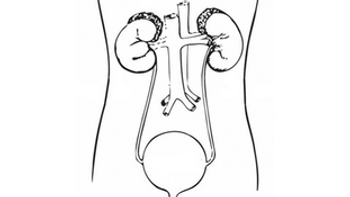
Innovative treatments for non–muscle-invasive bladder cancer emerge, focusing on bladder preservation and improved outcomes with novel therapies and active surveillance strategies.
Despite major advances, real-world data show diminishing survival outcomes and treatment-limiting toxicities in second line or later CLL treatment.
GLP-1 receptor agonists show promise in reducing cancer risk and enhancing early detection, highlighting the need for further research in oncology.

A recent trial reveals that nivolumab combined with chemotherapy significantly improves survival rates in older patients with advanced Hodgkin lymphoma.
Detalimogene voraplasmid gains FDA RMAT designation, showcasing a 71% response rate in treating high-risk, BCG-unresponsive NMIBC with promising safety.
New study reveals mosunetuzumab and polatuzumab vedotin significantly improve outcomes for patients with relapsed large B-cell lymphoma, offering a chemotherapy-free option.
Arturo Loaiza-Bonilla, MD, MSEd, discusses findings from the MATTERHORN trial in patients with resectable gastric or gastroesophageal junction adenocarcinoma.

Discover how data analytics transforms health care by reducing costs, improving patient outcomes, and enhancing operational efficiency through innovative technologies.

Oncologists face burnout from administrative work, but new technology offers solutions to streamline workflows and improve patient care.

Dax Kurbegov, MD, discusses findings from the CORE-HH study that build on growing evidence to support the clinical feasibility of blood-based early detection tools.

Anixa Biosciences advances CAR T-cell therapy for recurrent ovarian cancer, targeting FSHR with promising safety and efficacy in ongoing clinical trials.